Riyadh-Amlak
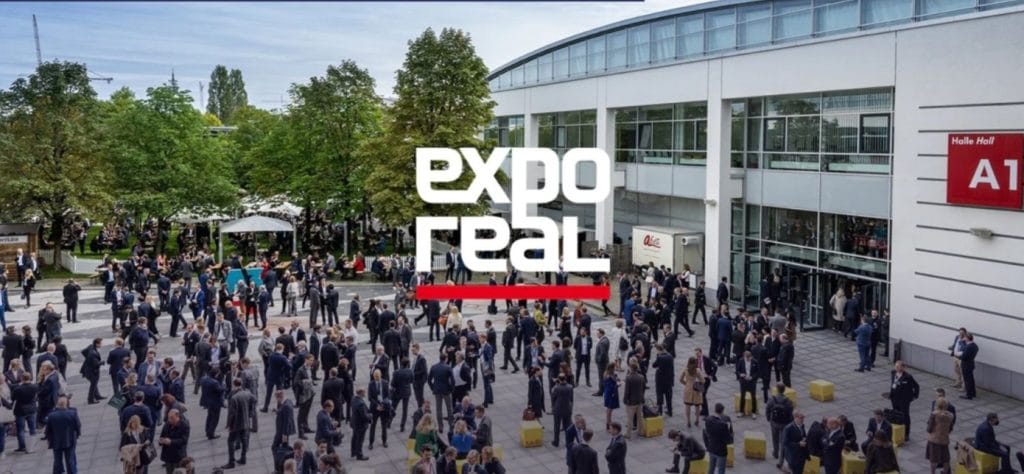
The Committee on the Sale of Off-Plan Real Estate Units at the Ministry of Commerce and Industry presented a working paper at the Housing Forum organized by the Ministry of Housing at the King Fahd Cultural Center on the sidelines of the Riyadh Real Estate Exhibition. The paper was presented by Abdulhakim bin Ibrahim Al-Aqil, on the regulations governing the sale of off-plan real estate units. These regulations were issued by a Cabinet decision to cover all residential, industrial, commercial, office, service, and tourism real estate activities, and were amended by Decision No. 47 dated 2/4/1434 AH, stipulating that engaging in the sale, advertising, or marketing of off-plan real estate units requires a license from the committee established within the Ministry of Commerce and Industry.
Real Estate Development Projects
He emphasized that the regulations apply to real estate development projects for which the developer wishes to receive payments resulting from reservations or off-plan sales, or projects that have not yet been completed. The committee—represented by a member from the Ministry of Commerce and Industry, the Ministry of Justice, the Industrial Cities and Technology Zones Authority, the Saudi Arabian Monetary Authority, the Ministry of Housing, and the Ministry of Municipal and Rural Affairs, is responsible for reviewing applications from real estate developers and granting project licenses. The committee meets weekly, and the committee’s secretariat receives applications and verifies that the necessary documents—such as the land title deed, feasibility study, and escrow agreement with the bank—are complete.
Licensing Requirements
He explained that one of the most important requirements for obtaining a license to sell off-plan is that a separate account be opened for each project, called “escrow account” at one of the banks licensed in the Kingdom. All amounts received from buyers and financiers must be deposited into the escrow account, and funds may only be disbursed from the account for the project, based on a payment document signed by the engineering consultant and the certified public accountant, however, the developer may withdraw from the account an amount not exceeding 20% of the funds deposited in the account to cover administrative expenses, The developer is also entitled to withdraw any surplus over the project cost, provided that 20% of this surplus is retained, and that 5% of the total project cost—or a bank guarantee in the same proportion—is maintained in the account, which may only be withdrawn one year after the completion of the development. He emphasized the importance of the buyer verifying the existence of an off-plan sales license for the unit and called on real estate developers to cooperate with the committee by applying for the license.
The Committee Chairman noted the issuance of regulatory regulations by Minister of Commerce and Industry Decision No. 983, dated 2/2/1434 AH, which clarified the Committee’s role, the developer’s obligations, the duties of the certified public accountant, the duties of the engineering consultant, the obligations of the broker, the management of the escrow account, and the penalties.
Overcoming Obstacles to Real Estate Development
Al-Aqil concluded his presentation by praising the significant support and follow-up provided by the Minister of Commerce and Industry, and his guidance to provide all necessary flexibility and support to overcome the obstacles facing real estate development, in accordance with the authorities granted to the Committee, to achieve the desired objectives upon implementation of these regulations and to contribute to strengthening confidence in the real estate market, as well as stimulating diverse real estate development activities, providing channels of support and financing for real estate development projects, and ensuring safeguards to protect the rights of all parties.