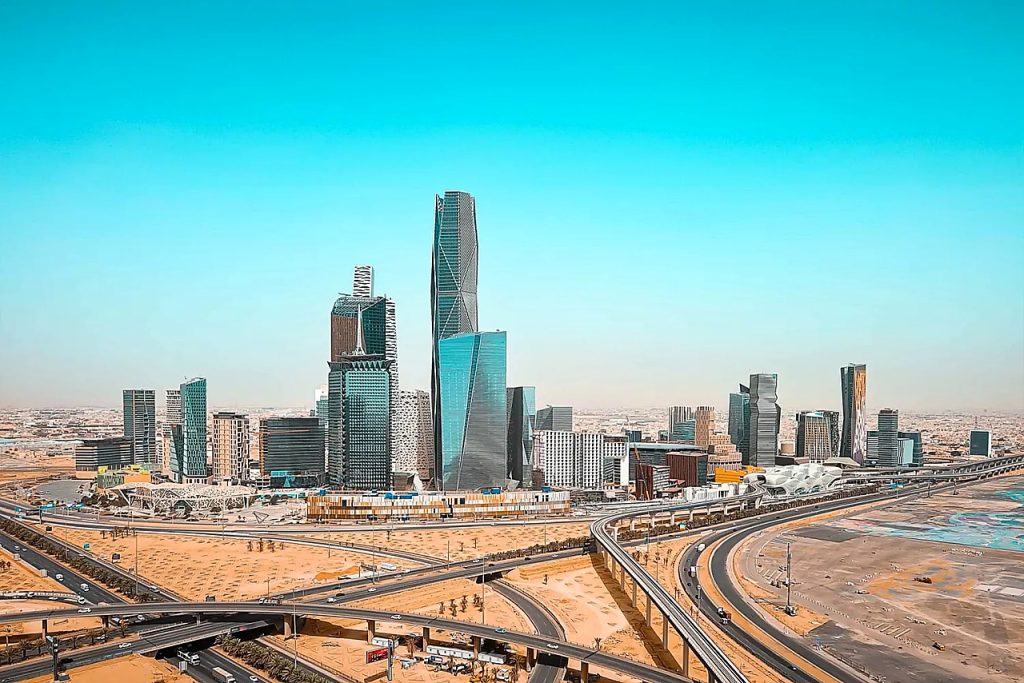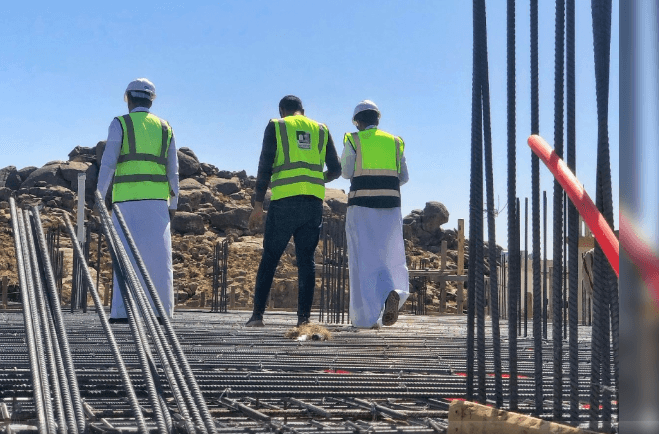
The seasonally adjusted Al Rajhi Financial Company index for the Saudi construction sector showed a reading of 54.4 points in September, compared to 55.4 points in August 2026. The latest reading also reflected the slowest rate of business activity growth in four months.
This is the fifth published edition of Al Rajhi Financial’s Saudi Construction Sector Index, a new monthly survey that includes approximately 200 construction companies selected to ensure they represent the actual structure of the construction sector in the Kingdom.
The headline index measures changes in total construction volume compared to the previous month and is calculated as a weighted average of three sub-sectors: residential construction ; non-residential buildings (including office, commercial, institutional, and industrial buildings); and infrastructure (including transport, energy, and utilities). The survey also tracks monthly changes in several variables, including new orders, business activity expectations, employment, prices, and supplier delivery times.
Growth in all three sectors
The results of the September survey indicated a strong rise in the level of activity in the Saudi construction sector , thus continuing the recovery series that began in May 2026. All three sub-sectors recorded an increase in activity, with the residential construction and infrastructure sectors performing best.
The seasonally adjusted Al Rajhi Financial Index for the Saudi construction sector recorded 54.4 points in September, compared to 55.4 points in August, while the infrastructure index reached 55.8 points, up from 53.9 points in August, the second highest reading since the survey began in January 2026.
Residential construction activity also recorded a sharp increase, with the index reaching 56.6 points, while non-residential construction activity recorded 50.9 points, indicating a slight expansion in activity. The growth rate in this sector was the lowest since May 2026. The construction companies participating in the survey attributed the continued growth mainly to favorable market conditions and strong demand related to major construction projects, which continued to support business in the residential, commercial and infrastructure construction sectors.
In contrast, some companies indicated that the sales challenges were related to customers' slow decision-making during September, while other companies attributed some of the challenges to the high rate of price inflation.
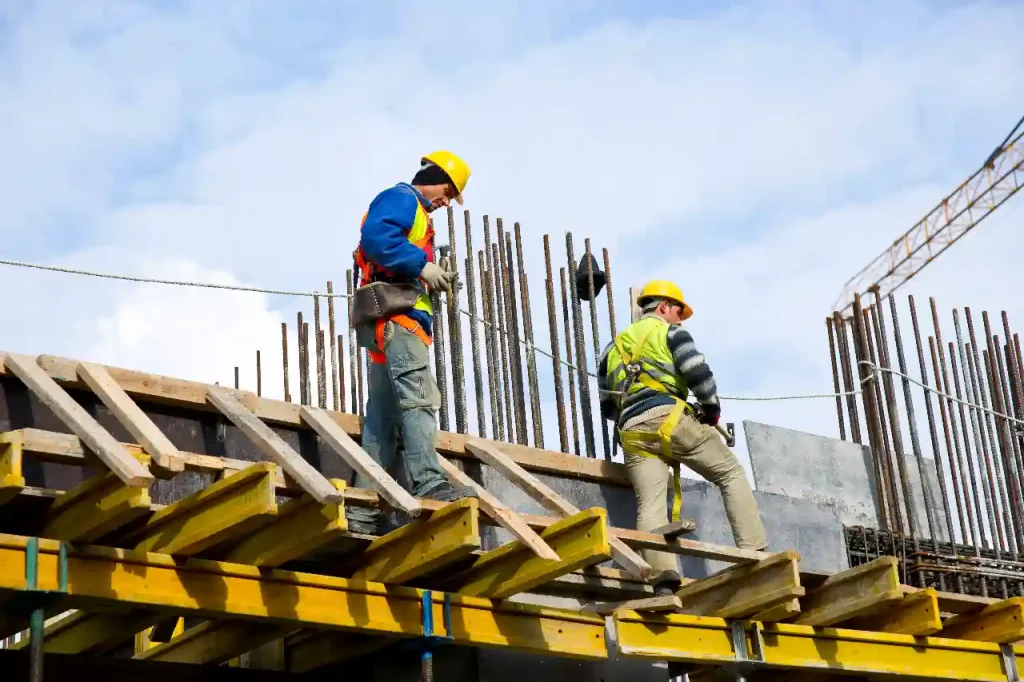
Infrastructure is registering an acceleration in activity.
September data showed a strong and rapid rise in infrastructure sector business activity, with its seasonally adjusted index rising from 53.9 points in August to 55.8 points in September, marking the second-highest reading since the survey began in January 2026.
This reflects the continued strength of activity in the infrastructure sector, in conjunction with the continued growth of the residential construction sector and the rising demand for work related to major projects.
New orders continue to rise
Construction firms recorded a rise in new business for the fifth consecutive month during September 2026, but the rate of growth in new orders across the sector was the lowest since last May.
The infrastructure sector had the highest growth rate in new orders, while the non-residential building activity recorded the lowest growth rate.
The companies participating in the survey attributed the increased demand to strong sales opportunities and improved demand levels, driven by major projects in the areas of residential construction, transportation and industrial development.
Conversely, company statements indicated that geopolitical conditions in the region have prompted some clients to postpone issuing certain approvals for new commercial development projects.
Input price inflation at its highest level since January
On the other hand, rising input costs emerged as one of the most prominent challenges facing the construction sector, as 45% of companies participating in the survey indicated an increase in production input prices during September 2026, while fewer than 1% of companies reported a decrease in input prices.
The seasonally adjusted input price index showed the highest rate of input price inflation since the beginning of 2026. Meanwhile, supplier delivery times were slightly extended, despite a decline in input purchases, reflecting continued pressure on operating costs and supply chains in the sector.
Optimism for continued growth in the coming months
Despite pressures related to costs, competition, and some geopolitical challenges, companies expressed optimism about the future of construction activity in the coming months. Approximately 341,000 construction companies anticipated increased business activity over the next three months, compared to only 81,000 that expected a decline, reflecting continued positive expectations for the sector's growth.
The residential construction sector recorded the highest levels of optimism among the sub-sectors, with the second-highest confidence level since January 2026.
Al Rajhi Financial: Continued growth despite cost pressures
Sultan Al-Tuwaim, head of research at Al Rajhi Capital, said that the Al Rajhi Capital Saudi Construction Sector Index recorded 54.4 points in September, continuing the sector's growth for the fifth consecutive month, but at a slower pace compared to August.
He explained that the growth included all three sub-sectors, supported by the continued implementation of projects and strong demand, while the growth of infrastructure activity accelerated, along with the continued rise in new orders at the sector level.
He noted increasing cost pressures, with input prices rising at their highest rate since January, coinciding with a slight increase in delivery times. Conversely, the availability of subcontractors continued to improve, and companies remained optimistic about upcoming projects, with approximately 341 TP3T expecting increased activity over the next three months, compared to 81 TP3T expecting a decline. This suggests continued growth despite rising cost pressures.
Index methodology
The Al Rajhi Financial Saudi Construction Index is compiled by Global P&S from survey responses sent to a sample of approximately 200 construction companies. Companies are ranked according to their International Standard Industrial Classification (ISIC) and workforce size, based on their contribution to GDP. Survey data was first collected in January 2026, with responses being collected during the second half of each month. The index reflects the trend of change compared to the previous month.
Each survey variable has a diffusion index that reflects the growth trend, ranging from 0 to 100. A reading above 50 indicates an overall increase compared to the previous month, while a reading below 50 indicates an overall decrease, before seasonal adjustments. The headline figure is a diffusion index that tracks changes in the total volume of construction activity compared to the previous month. It is calculated as a weighted average of residential, non-residential, and infrastructure activity indicators. The baseline survey data is not revised after publication, while seasonal factors may be revised from time to time to reflect the data, which may affect the seasonally adjusted series.
Real estate transactions in the Eastern Province totaled 34.4 billion riyals in seven months.
Saudi Build 2026: Riyadh to bring together construction leaders on November 2nd