
Development Endowments: Governance to Unlock Idle Assets
Dr. Khalid bin Saad Al-Habshan
Endowments are considered important strategic economic assets in the Kingdom of Saudi Arabia, given their significant financial value, in addition to their deep social and cultural dimensions linked to Islamic heritage. According to some unofficial studies, the value of endowments in Saudi Arabia is estimated to range between 200 and 300 billion Saudi riyals—a massive sum that often remains uninvested or is invested in traditional ways that diminish its economic value. Although these estimates are not entirely official, they illustrate the immense potential that waqfs have to contribute to economic growth and the diversification of national income sources.
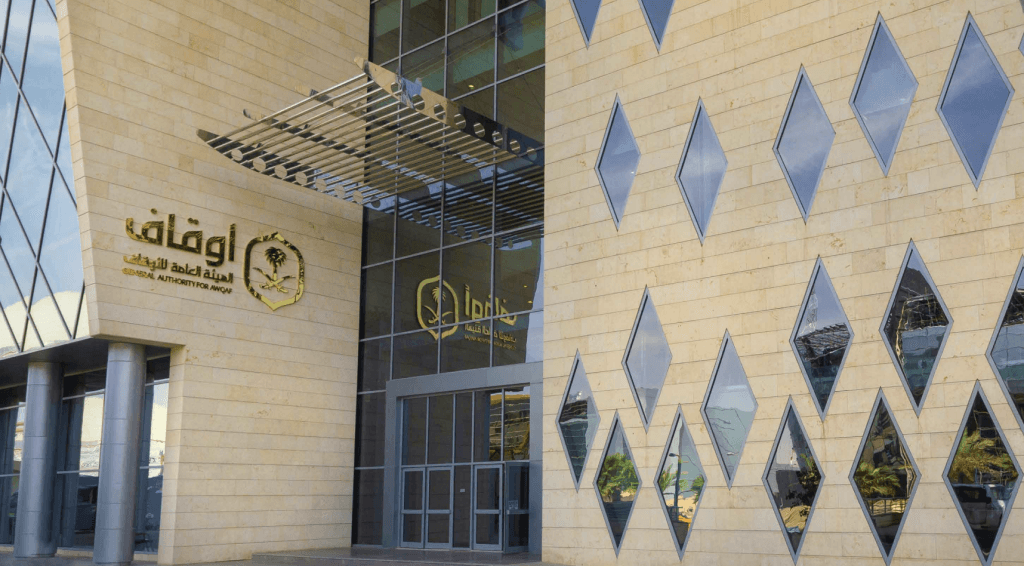
In recent years, the Kingdom has witnessed accelerated efforts to develop the endowment sector, with the General Authority for Endowments working to modernize regulatory frameworks, strengthen governance, and stimulating investment, in line with the goals of the ambitious Saudi Vision 2030, which seeks to diversify the economy and achieve sustainable development. Despite these positive reforms, a significant proportion of endowment assets remain underutilized or are managed using traditional methods that may limit their ability to generate substantial financial returns. Accordingly, investing idle waqf assets represents a strategic opportunity to boost gross domestic product and support social and economic development programs through stable, long-term sources of funding.
From an economic perspective, reports from some consulting firms indicate that activating endowments and investing them professionally could contribute between 2% and 5% of GDP in the medium term, depending on the expansion of development-oriented endowments and their integration with vital investment projects. This percentage may seem moderate, but it translates to the creation of new jobs, an increase in the volume of domestic investments, and improved financial stability for development projects, as well as incentivizing the private sector to participate in endowment projects.
In some countries, endowments have become important financing tools that combine social objectives with sustainable economic returns—a model that Saudi Arabia seeks to implement by establishing endowment investment funds that are transparent and professionally managed. The General Authority for Waqfs is working to launch such funds, which are subject to periodic disclosure and managed by companies specializing in asset management, thereby enhancing the waqf’s ability to attract investments and generate stable financial returns.
In addition, support for small and family-based waqfs is gaining increasing importance, as these waqfs help expand the sector’s investment base and enhance its contribution to the national economy. Therefore, developing a legislative and regulatory framework specific to family waqfs is an important step toward encouraging their integration into the national system, while preserving their distinct character and Sharia provisions, thereby ensuring their long-term sustainability and effectiveness.
Among the most prominent proposals that will help drive endowment investment are:
• Launching a national endowment rating system that reflects the level of governance and investment efficiency, thereby encouraging transparency and competitiveness and ensuring support for outstanding endowments.
• Establishing a specialized waqf court or judicial division to expedite dispute resolution and provide a stable legal environment that fosters trust between waqf donors and investors.
• Encouraging the establishment of joint endowment funds in collaboration with leading state-owned companies such as Aramco and Roshen to enhance financial efficiency and sustainability.
• Enact legislation specific to the governance of family endowments that regulates registration and sets financial and administrative standards to ensure their integration into the formal economy.
Harnessing these tools and mechanisms not only enables more effective management of endowments but also opens new horizons for bolstering financing for social and economic development and creating viable long-term investment opportunities that contribute to diversifying sources of national income and achieving financial stability. Development endowments are not merely funds set aside; rather, they are a genuine economic engine that enriches the Saudi economy if managed wisely and professionally.
In conclusion, the integration of endowments into the national investment system represents a qualitative leap that reflects the evolution of the national vision toward a balanced and sustainable economy, capable of achieving ambitious development goals through a clear strategic vision based on the integration of the public and private sectors and sound governance
Consultant in Corporate Governance and Real Estate Investment Regulation
@AlhabshanDr