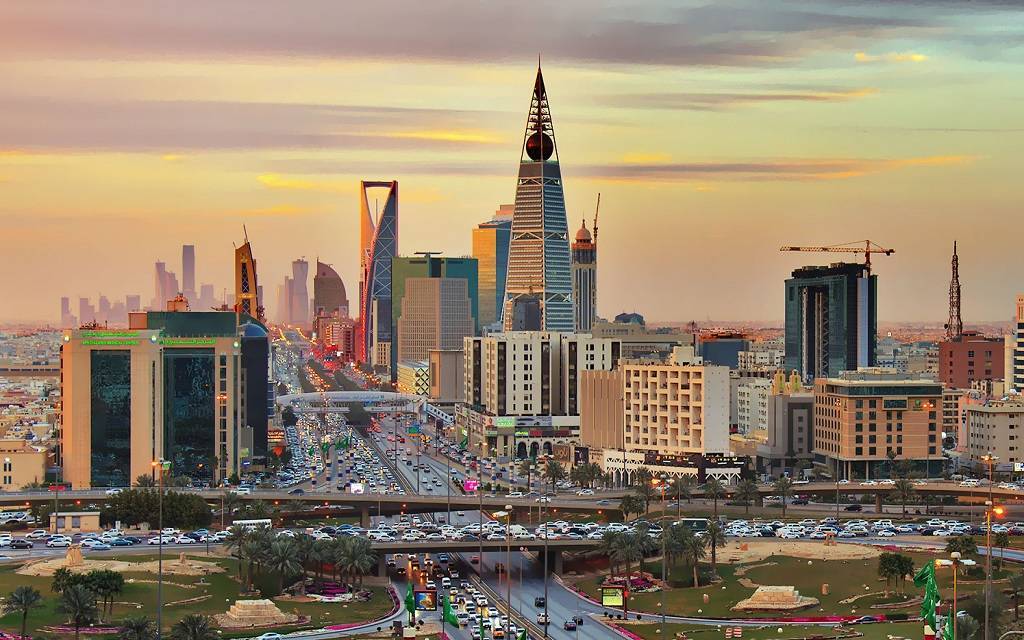

The Saudi construction sector is heading towards a phase of moderate growth during 2026 and 2027, coinciding with continued pressure on project implementation costs and rising tender prices, at a time when supply and building material challenges are increasing, according to estimates by JLL, which raised its expectations for tender price inflation during the current year to about 5%, compared to 4% previously.
The company predicted that the inflation rate in construction tender prices would continue at a level of 5% during 2027, with the possibility of it ranging between 4% and 6% over the two years, in light of rising input costs and continued strong competition among companies operating in the market, according to its report on the construction market in the Kingdom during the first half of 2026.
The forecast of moderate growth comes after years of record activity in the construction sector, as the Saudi market gradually moves from a phase of rapid expansion to a more mature and sustainable phase, requiring more efficient management of costs and procurement, according to the company.
High costs of building materials and supply disruptions
Construction companies are facing increasing pressure due to rising prices of basic materials, with copper prices rising by 44.5%, aluminum by 23.9%, and diesel by 7.9% during the period up to August 2026, with the increases concentrated in sectors most dependent on imported metals and materials.
JLL explained that geopolitical tensions are affecting regional trade and causing delays in the arrival of imported building materials and equipment, which increases the risk of project delays, while changes in trade policies and restrictions on supply chains are contributing to increased input costs.
In the face of fierce competition for tenders, contractors absorb some of these increases by reducing their profit margins, rather than passing the entire additional cost on to developers, which temporarily mitigates the impact of inflation on project owners.
White land fees support the pace of development.
Regarding the real estate market, the company noted that the recent amendments to the white land fees system in Riyadh have contributed to reducing speculation and land hoarding, and have encouraged making undeveloped land available for urban development projects.
The increased supply of land available for actual development has also helped to calm prices and accelerate construction, while public-private partnerships are creating new opportunities for local and international companies, particularly in healthcare, education and urban development projects.
For his part, Maroun Dib, Head of Project and Development Services for the Middle East and Africa at JLL, said that the Saudi construction sector is undergoing a transformation from rapid growth to a more mature and sustainable phase, which is reflected in the mechanisms for implementing major projects.
He added that expanding partnerships between the public and private sectors increases the importance of adopting more efficient procurement strategies to deal with supply chain challenges, which supports project implementation and enhances opportunities for achieving long-term economic growth in the Kingdom.
Read also:
Construction costs in Saudi Arabia rose by 2.31 TP3T during August.
Report reveals: 20% rise in building material costs disrupts housing supply plans
Construction costs in June recorded their fastest pace of increase since January 2024
Rising construction costs continue to put pressure on the Saudi real estate market.