
Saudi factories are entering a new phase of transformation, where competition is no longer solely determined by the size of production lines or the number of employees, but rather by the ability of an establishment to leverage data, artificial intelligence, robotics, and the Internet of Things in managing its operations. Technology has become a significant factor influencing production costs, product quality, and the speed of response to demand, and is one of the avenues the Kingdom is relying on to enhance the competitiveness of its industrial base.
The “Factories of the Future” program is at the forefront of initiatives supporting this trend, aiming to transform 4,000 factories into facilities that rely on advanced manufacturing technologies and automation. According to the 2026 budget data, the number of factories joining the program exceeded 3,000, indicating the expanding scope of technological transformation within industrial facilities.
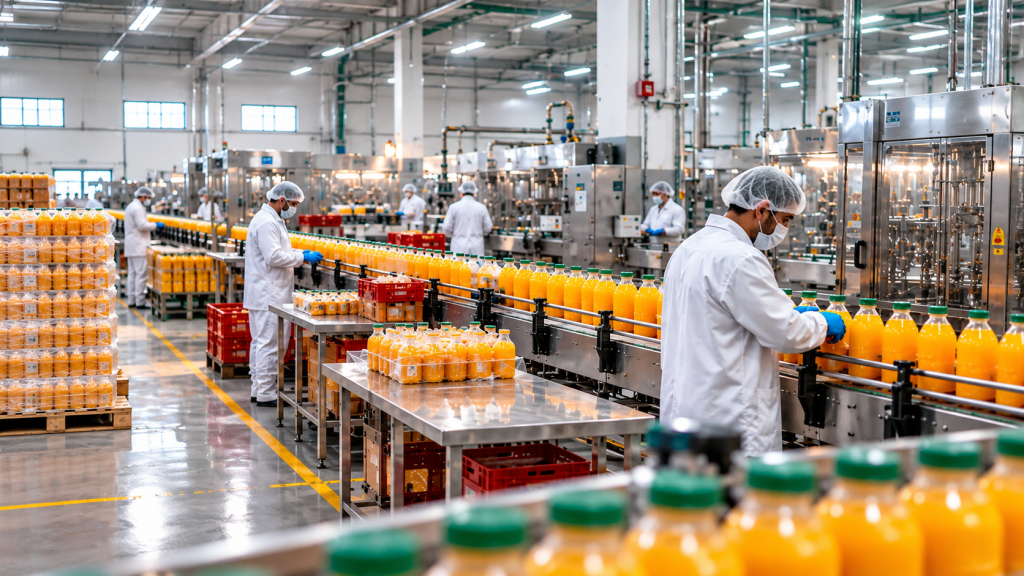
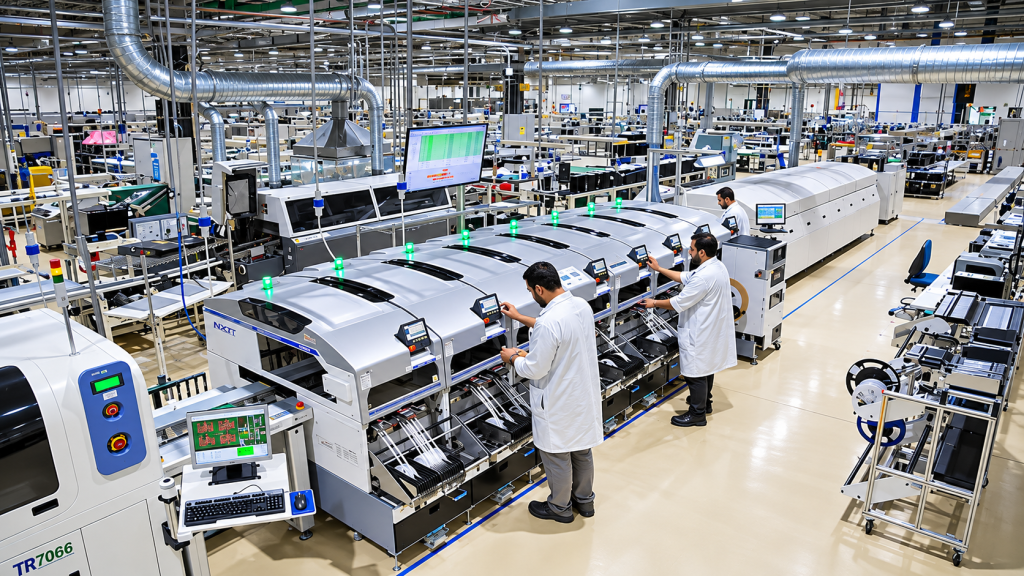
The tools of this transformation include the use of robots in repetitive tasks, sensing systems to monitor equipment, data analysis to predict malfunctions before they occur, along with digital management systems that track inventory, production quality and energy consumption. These applications enable factories to reduce downtime and waste, improve the accuracy of operations and increase the efficiency of resource use.
The transformation does not stop at introducing modern equipment, as it requires developing the digital infrastructure of the factory, qualifying workers, and providing expertise in data analysis, cybersecurity and advanced maintenance. Small and medium enterprises also need technological solutions that suit their sizes and financial capabilities, so that the gains of the Fourth Industrial Revolution do not remain exclusive to large factories.
The importance of transferring knowledge and technology and developing local innovation is highlighted at this stage, through cooperation between factories, universities, research centers and technology companies. The goal is not just to buy more advanced equipment, but to build local industrial capacity to operate, develop and adapt technology to production needs.
With the expansion of artificial intelligence and advanced manufacturing applications, the success of the smart factory becomes linked to its ability to transform technology into higher productivity, better quality, and more competitive costs, thus supporting the presence of Saudi industry in local and global markets.
Read also: