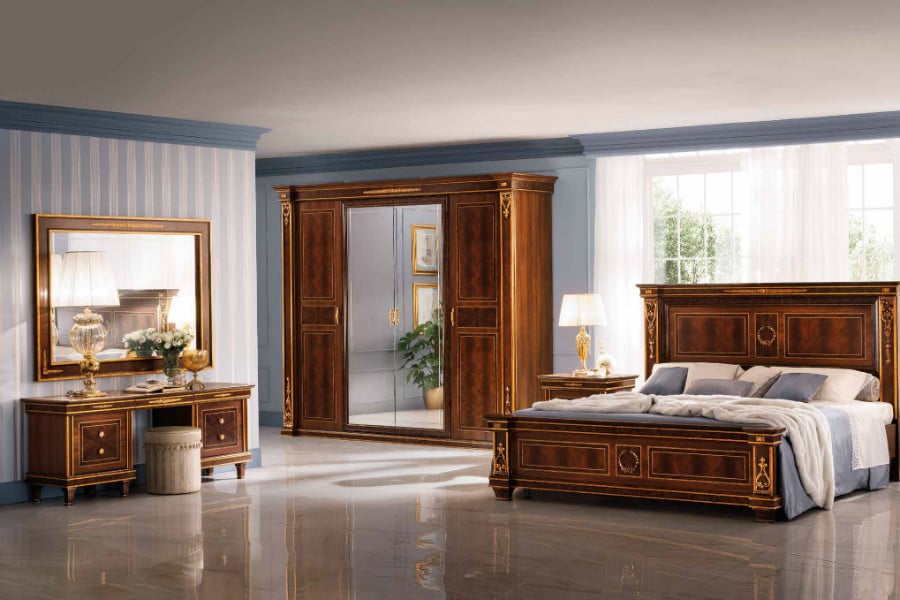

قواعد اختيار ألوان غرف النوم وتنسيقها يجب وضعهما في الاعتبار، حيث إن تصميم غرف النوم يعتبر من أهم المراحل عند تشطيب وتجهيز المنزل، سواء كان ذلك من حيث اختيار الألوان أو التصميم أو ترتيب العناصر مع بعضها البعض وتناسقها، كما أنها تعتبر المكان الذي يلجأ له الشخص من أجل أن ينعم بالراحة والهدوء ولكي يشعر بالخصوصية بعد مرور يوم طويل شاق ومرهق في العمل، بالإضافة إلى أنه يجب الأخذ في الاعتبار أن تصميم غرف النوم وتنسيقها لهما عامل كبير في تحقيق الراحة الجسمانية والنفسية لكل شخص من خلال اختيار الألوان وتناسق المفروشات وغيرهما من العوامل الأخرى.
هناك قواعد عديدة يجب أن تكون على دراية بها قبل اختيارك لألوان غرفة لنوم، وهي كما يلي:
اختيار الألوان المتناسقة
لا بد من اختيار الألوان الهادئة والمنسجمة مع بعضها البعض في آن واحد، مثل اللون الأزرق الفاتح أو اللون الأبيض أو درجتين من لون البيج، أي بمعنى استخدام الألوان الباردة لا الألوان الساخنة، مثل درجات الأصفر والأحمر والبرتقالي، وهي ألوان لا يفضل استخدامها لعدم شعور الشخص بالراحة النفسية فيها، لأن اللون يؤثر على الإنسان بطريقة إيجابية أو سلبية، ويمكنه أن يشعر بالبرودة أو السخونة أو الحزن أو المرح من خلال اللون، لتأثيره على الحالة النفسية لصاحبها.
توفير أكبر قدر من المساحة
يجب الاهتمام بتوفير أكبر قدر من المساحة التي لا يوجد بها أثاث، لأن الشعور بالمساحة أكثر شيء يجعل الشخص سعيدًا ومرتاحًا، ويجب مراعاة المساحة وعمل التوازن ما بين المساحة التي عليها أثاث والمساحة المفتوحة عند تصميم أي غرفة، بالإضافة إلى المساحة التي فيها أثاث ثابت وأثاث متحرك، لأن كل ذلك له تأثير على الشخص بداخل الغرفة.
تنسيق الأركان المختلفة بالغرفة
يمكن أن يكون للغرفة أركان أخرى كركن مشاهدة التلفاز أو المكتب أو الكمبيوتر أو غرفة الملابس أو مكان للتسريحة أو حمام أو زاوية من أجل القراءة وغيرها، لذا يجب عند تصميم الغرفة أن تضع في الاعتبار استخدامك داخل الغرفة مع توفير احتياجاتك الشخصية بها، وهي اهتمامات تختلف من شخص إلى الآخر، تبعًا لهوايته ووظيفته وعمره، فهناك من يحب الرسم لذا لا بد من توفير مكان للرسم وبشكل لا يعوق استخدام وظائف غرفة النوم الأساسية، وغير ذلك من الاهتمامات.
قواعد اختيار الألوان
إن كنت من المقبلين على الزواج وتريد اختيار ألوان غرفة النوم، عليك باتباع هذه القواعد وهي كما يلي:
الاهتمام بالمقاسات:
يجب استخدام الأبعاد المناسبة والقياسية لقطع الأثاث في الغرفة، لما لها من تأثير مباشر وصريح وواضح على حالة الفرد النفسية، وهناك الكثير من قطع الأثاث التي يتم استخدامها في غرفة النوم الرئيسية كالدولاب والسرير والتسريحة وغيرها.
ارتفاعات قطع الأثاث
لا بد من مراعاة قطع الأثاث وتناسقها مع بعضها البعض في آن واحد، حيث إن ارتفاع الغرفة يحدد ارتفاع قطع الأثاث، لذا لا تقم بعمل سرير عال تصعد إليه بسلم من درجتين، لأن لكل قطعة أثاث توضع داخل الغرفة مقياسًا تؤخذ نسبه من الحيز الكلي للغرفة، وهو الذي له تأثير مباشر على صاحب الغرفة وراحته النفسية.
موديل غرفة النوم
يجب أن تكون غرفة النوم بسيطة التصميم ومنسقة جدًا وقليلة الزخارف، لأن تصميم الغرفة يعبر عن شخصية صاحبها، وكلما قلت الزخارف الموجودة بها قل الإحساس بأعباء الحياة، لأن النقوش والزخارف الكثيرة تعطي شعورًا بالازدحام.
أفضل الألوان لغرف الشباب
توجد ألوان عديدة تعتبر أفضل ألوان غرف الشباب يمكنك الاختيار من بينها، وهي كالتالي:
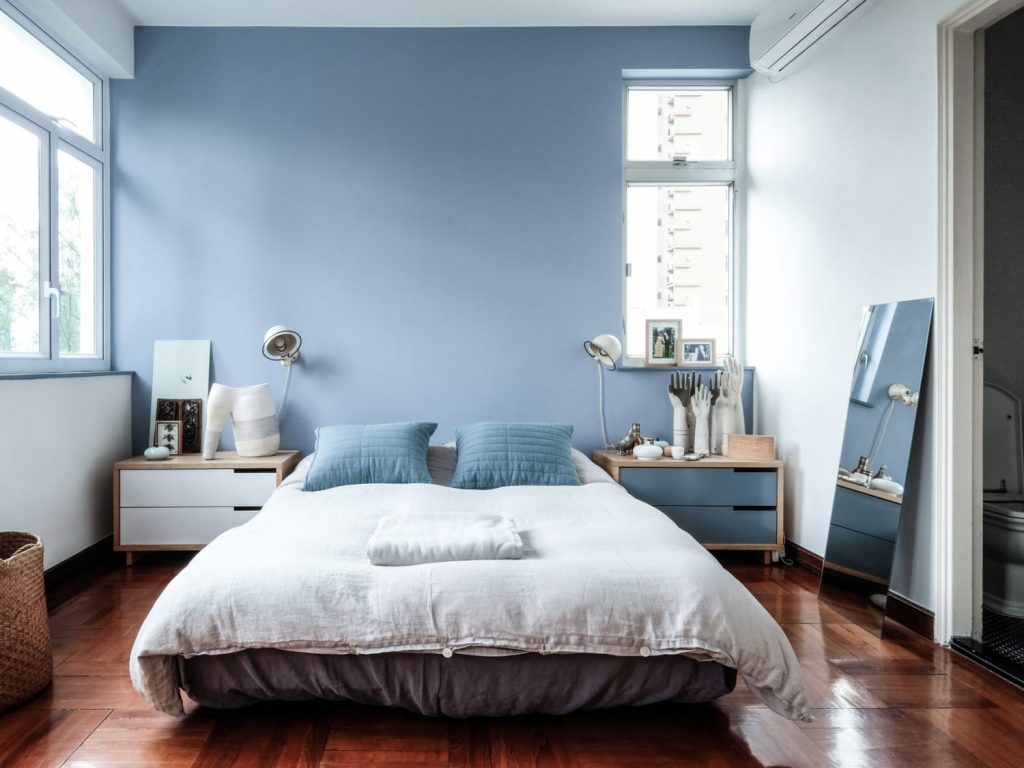
اللون الأزرق:
وينصح به مهندسو الديكور، لتأثيراته الفسيولوجية الممتازة على الإنسان، بالإضافة إلى مساعدته للشاب في التركيز كثيرًا، ويمكنك إضافة اللون الأبيض إليه حتى تجمع غرفتك ما بين الأناقة في التصميم والاتساع وتوفير جميع شروط الراحة الجسدية والنفسية.
اللون البيج أو الرملي:
وهو من أجمل ألوان غرف نوم الشباب، لأنه يعد من الألوان سهلة الدمج مع أنواع كثيرة من الأثاث، بالإضافة إلى أنه يعطي شعورًا بالاتساع، وينصح دمجه مع اللون الأبيض، ليجعلا الغرفة أكثر اتساعًا.
اللون الأبيض:
وهو اللون المتربع على عرش الألوان، سواء كان ذلك في غرفة النوم أو في أي مساحة أخرى بداخل المنزل، ويرمز إلى النقاء، وهو لون نشيط للغاية يمنحك السلام والهدوء والوضوح لتفكيرك، ويجعل مزاجك جيدًا عند بدئك يومًا جديدًا، مع تجنبك جعل غرفة نومك بيضاء بالكامل، لأن كثرة اللون الأبيض تعطي إحساسًا بالملل والنمطية، وتجعلها تتسخ بسرعة، مما يتطلب تنظيفها باستمرار.
ألوان غرف النوم للبنات
هناك الكثير من الألوان لغرف النوم للبنات ، وهي كما يلي:
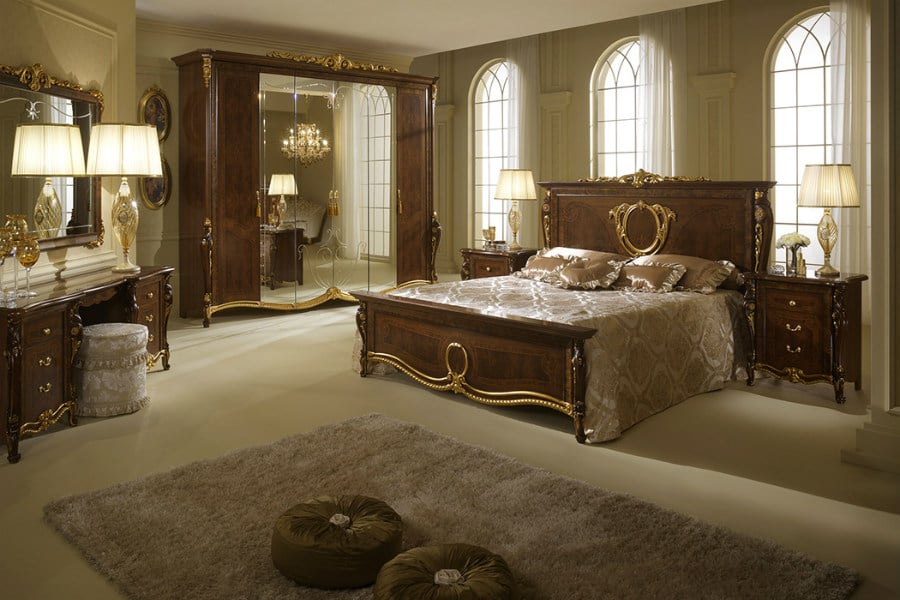
اللون البني:
إن كنت من عشاق اللون البني فإنك محظوظة للغاية، لأنه أصبح اتجاهًا آخر للموضة ويحظى بإقبال كبيرة في الآونة الأخيرة، ويضفي على غرفة النوم الفخامة والروعة والأناقة، وهو يدل على الدفء والترحيب، بالإضافة إلى أنه لون للكثير من المواد الطبيعية كالخشب، لذا فإن مصممي الديكور يختارونه من ضمن ألوان غرف نوم البنات.
اللون الوردي:
يعتبر اللون الوردي أفضل اختيار لغرف نوم البنات، حيث إنه يعطي إحساسًا بالاتساع والراحة والجمال، وهو لون تعشقه جميع الفتيات، وينصح بدمج اللون الوردي مع اللون الأبيض، حتى يعطي إحساسًا بالاتساع ويجعل غرفتك أكثر إضاءة وفخامة.