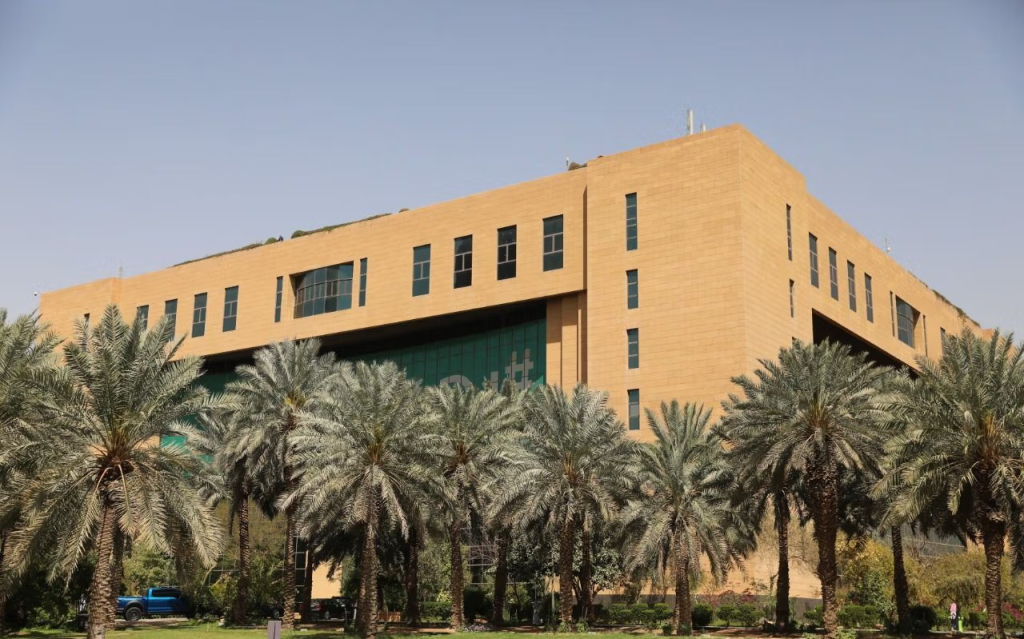

The Color Beige and Depression
Hisham Al-Qasim
The color beige plays an important role in Saudi homes and buildings in general, as beige facades constitute a notable part of the Kingdom’s architectural character, The widespread use of beige is due to several factors, the most important of which is its association with the Kingdom’s desert landscape, where sand, stones, and soil reflect the color beige; therefore, beige is considered part of Saudi architecture’s identity and heritage.
Although beige is easy to work with, its overuse and excessive imitation can cause feelings of melancholy in some people, especially since it does not carry the same positive energy as other colors, and although it is characterized by calm and stability, it lacks vitality and excitement because it absorbs light rather than reflecting it; consequently, environments dominated by beige can make us feel lethargic, Furthermore, beige does not convey a wide range of human emotions, and studies have linked beige-colored spaces to increased rates of depression.
To avoid these feelings, experts recommend adding colors that reflect light more effectively to infuse the space with vitality and positive energy facades beige, such as light blue, pale yellow, light green, or light wood tones. Blue conveys a sense of calm and serenity, while yellow reflects warmth and cheerfulness. Green, in all its shades, also conveys a sense of vitality and energy thanks to its natural effect. Light wood, on the other hand, adds a natural and warm touch to the facades. It is Combine these colors that complement beige by using them only as accents or secondary elements.
Instead of letting beige dominate the entire facade, divide it into sections and use slightly brighter colors to give the view energy and vibrancy. When using more than one color, it’s best to use complementary colors so the facade appears harmonious.
In this way, beige—which is common in Saudi homes—can be combined with other colors in ways that preserve the local character while making the design more exciting and vibrant.
*Architect and faculty member at King Saud University