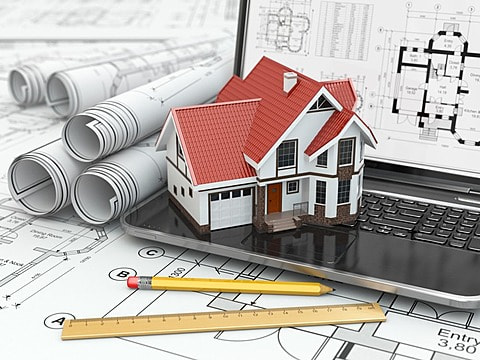

في صيف 2024، تبرز عدة اتجاهات معمارية تجمع بين الاستدامة، والتكنولوجيا، والبساطة، والعودة إلى الطبيعة. هذه الاتجاهات تعكس التغيرات الجذرية في كيفية تفكير المصممين والمهندسين المعماريين في المستقبل.
تقدم صيف 2024 مجموعة من التصاميم المعمارية التي تجمع بين الاستدامة والابتكار والبساطة والطبيعة. هذه التصاميم ليست فقط جمالية، بل هي عملية وتهدف لتحسين جودة الحياة وتلبية احتياجات المجتمعات المستقبلية. من خلال التركيز على هذه الاتجاهات، يمكننا أن نتطلع إلى مستقبل مشرق ومبتكر في مجال العمارة.
وفي السطور التالية نلقي الضوء على أبرز هذه الاتجاهات فيما يلي:
العمارة المستدامة
الاستدامة أصبحت جوهرية في التصاميم المعمارية الحديثة، حيث يتزايد التركيز على استخدام مواد بناء صديقة للبيئة وتقنيات تقلل من الأثر البيئي. من بين المواد المستخدمة نرى الخيزران والخرسانة المعاد تدويرها والخشب المستدام. تتضمن التصاميم المستدامة أيضًا استخدام الحدائق العمودية والأسطح الخضراء، مما يساهم في تحسين جودة الهواء وتقليل درجات الحرارة في المناطق الحضرية.
التصاميم الذكية
البيوت الذكية أصبحت الآن جزءًا لا يتجزأ من العمارة الحديثة. دمج أنظمة التحكم الذكية في الإضاءة والتدفئة والأمن يعزز من الراحة والكفاءة في استخدام الطاقة. بالإضافة إلى ذلك، يشهد الأثاث متعدد الاستخدامات شعبية متزايدة، حيث يمكن تعديل القطع لتلبية احتياجات مختلفة، مما يوفر المساحة ويزيد من كفاءة الاستخدام.
التصاميم البسيطة
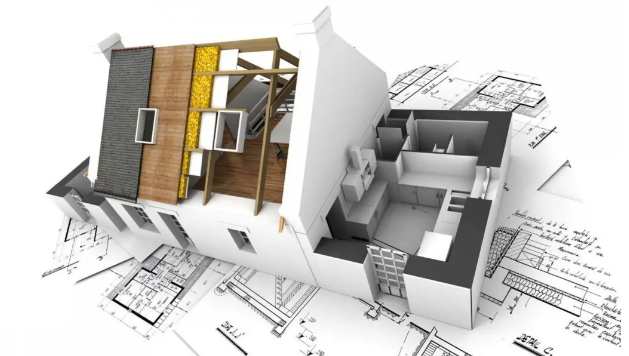
تتميز التصاميم البسيطة بألوان هادئة مثل الأبيض والرمادي والبيج، والتي تخلق مساحات هادئة ونقية. التركيز هنا يكون على الخطوط النظيفة والأشكال البسيطة لتحقيق مظهر أنيق وعصري. هذه البساطة تساعد على خلق بيئات داخلية هادئة ومريحة.
العودة إلى الطبيعة
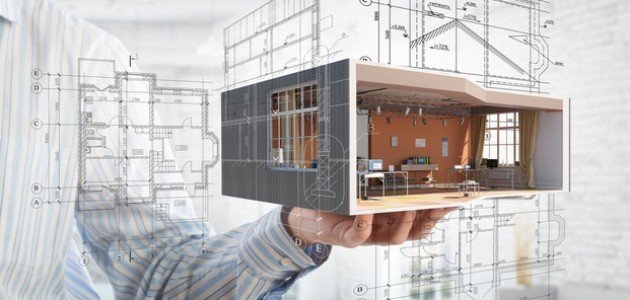
التصاميم المستوحاة من الطبيعة تعود بقوة في صيف 2024. استخدام المواد الطبيعية مثل الحجر والخشب الخام والأقمشة العضوية يضيف لمسة دافئة وأصيلة للتصاميم. الأشكال العضوية، التي تستلهم من الموجات والخطوط المنحنية، تعكس الجمال الطبيعي وتضيف لمسة من الانسيابية والجاذبية للمباني.
تأثير هذه الاتجاهات على مستقبل العمارة
توضح هذه الاتجاهات كيف يمكن للعمارة أن تكون أكثر استدامة وابتكارًا وتكيفًا مع الاحتياجات المتغيرة للمجتمعات الحديثة. الاستدامة والتكنولوجيا والمرونة أصبحت محورية في التصاميم الجديدة، مما يفتح آفاقًا واسعة للإبداع وتحسين جودة الحياة.
استخدام التكنولوجيا في التصاميم المعمارية
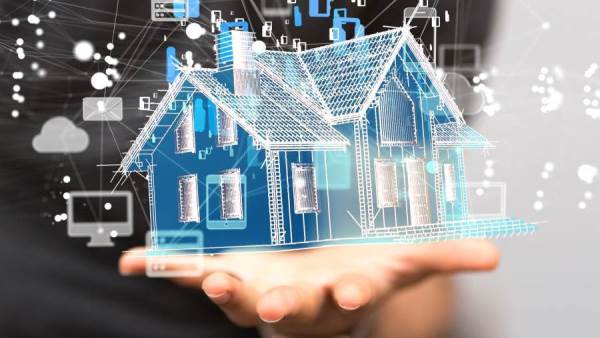
التكنولوجيا تلعب دورًا محوريًا في تطوير التصاميم المعمارية الحديثة. من تقنيات الطباعة ثلاثية الأبعاد إلى الأنظمة الذكية في البيوت، التكنولوجيا تعيد تعريف كيفية تصميم وبناء المباني. هذه الابتكارات لا تسهم فقط في تحسين كفاءة استخدام الطاقة ولكن أيضًا في توفير مساحات معيشية مريحة وآمنة وملائمة للاحتياجات المستقبلية.
التأثير الاجتماعي والاقتصادي
التحولات في التصميم المعماري تعكس التحولات الاجتماعية والاقتصادية الأوسع. تعزيز الاستدامة والكفاءة في استخدام الموارد يعكس التوجهات نحو نمط حياة أكثر وعيًا ومسؤولية. هذا ينعكس أيضًا على الاقتصاد من خلال خلق فرص عمل جديدة في مجالات التصميم والهندسة والتكنولوجيا.
أمثلة على المشاريع البارزة
مشروع الغابة الحضرية في ميلانو
يتضمن هذا المشروع ناطحات سحاب مغطاة بالنباتات والأشجار، مما يخلق نظامًا بيئيًا صغيرًا داخل المدينة. هذه الغابة الحضرية تعزز التنوع البيولوجي، وتحسن جودة الهواء، وتقلل من التلوث. التصميم يوفر أيضًا بيئة معيشية فريدة للسكان تجمع بين الحداثة والطبيعة.
مبنى مكتب المستقبل في دبي
هذا المبنى تم تصميمه بالكامل باستخدام تقنية الطباعة ثلاثية الأبعاد، مما يجعله رائدًا في مجال العمارة المستدامة والابتكار. استخدام هذه التقنية يقلل من النفايات ويعزز من الكفاءة في البناء، بالإضافة إلى أنه يتيح تصاميم معمارية معقدة وجديدة.
مجمع حدائق البحر الأبيض المتوسط في برشلونة
التصميم مستوحى من البيئة البحرية، مع أشكال منحنية ومساحات مفتوحة تطل على البحر. هذا المجمع يعكس كيف يمكن للتصاميم المعمارية أن تتناغم مع البيئة المحيطة وتستفيد من المناظر الطبيعية لتعزيز الجمال الوظيفي للمباني.
 العربية
  English