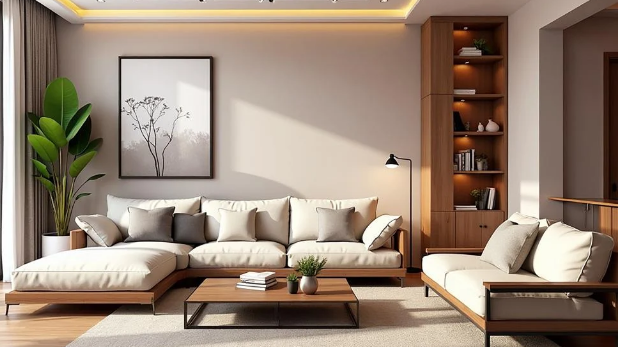
As we enter the second half of 2025, the interior design and decoration landscape is undergoing a significant transformation to meet the growing demand for spaces that combine elegance, comfort, and sustainability. With increasing environmental awareness and technological advancements, new trends are emerging that are redefining the concept of beauty in both homes and offices. These trends blend modernity with a return to nature, emphasizing details that reflect individual personalities and achieve the perfect balance between practicality and aesthetics.
Design and décor trends for the second half of 2025 reflect a significant shift towards combining beauty and innovation. Whether you're looking to renovate your home or simply seek new inspiration, this year offers countless opportunities to redefine your spaces in a way that reflects your personality and keeps up with the latest trends. From sustainable design to smart home technologies, these trends promise more comfortable and beautiful experiences for individuals.
Key design and decoration trends for the second half of 2025:
1. Sustainable designs
Sustainability has become a central focus in home and furniture design in 2025, with designers striving to use recycled and eco-friendly materials. From reclaimed wood to fabrics made from natural materials, the emphasis is on reducing the carbon footprint without sacrificing beauty or quality. For example, organic dyes and recycled materials are used in the design of furniture pieces that combine modernity with authenticity. Recent reports indicate that demand for sustainable products has increased by 30% compared to previous years.
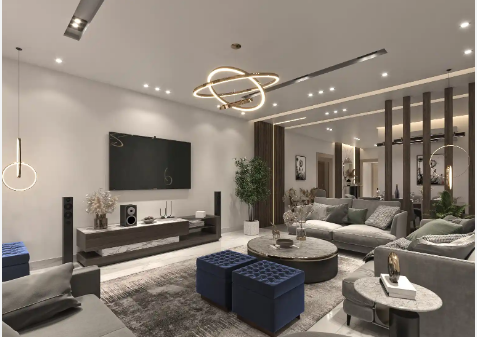
2. Natural colors
In 2025, nature-inspired colors will dominate the design landscape. Olive green, earthy brown, and sky blue are among the most popular shades, reflecting the tranquility of nature and creating a sense of harmony. Neutral tones like gray and beige are also seeing a revival, with bright accents adding vibrancy to spaces. A study by a major design firm revealed that 45% of clients prefer nature-inspired colors.
3. Smart home technologies
With technological advancements, smart homes are becoming an integral part of design trends in 2025. Smart lighting, integrated audio systems, and climate control are used to enhance the user experience and boost comfort. These technologies are seamlessly integrated into the interior design to avoid visual clutter. The global smart home market is estimated to be worth around $150 billion, reflecting the strong trend toward adopting these technologies.
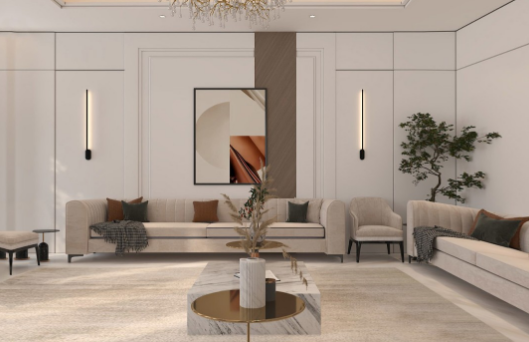
4. Craft decorations
Design trends for 2025 feature a return to traditional craftsmanship, with a focus on intricate details and handcrafted touches. Handmade furniture and accessories made from natural materials such as pottery and hand-blown glass add a unique flair to décor. Experts indicate that handcrafted pieces represent 25% of furniture and accessory sales in niche markets.
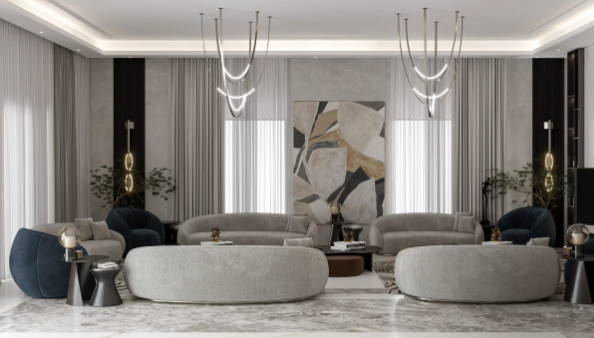
5. Open spaces
Open-plan living spaces are a growing trend for 2025, seamlessly integrating living rooms and kitchens to create a sense of spaciousness and fluidity. This trend is further enhanced by the use of neutral colors and natural light to create comfortable and inviting spaces. Market data shows that 50 out of % new construction projects are adopting open-plan design as a primary feature.
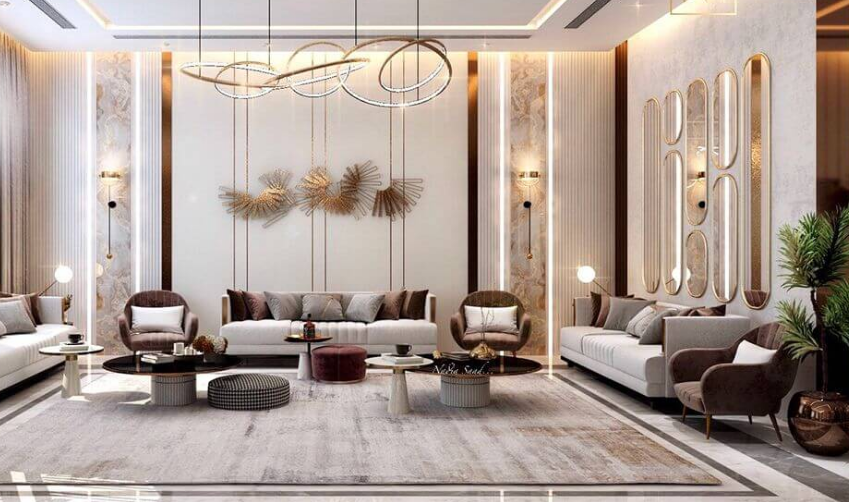
6. Houseplants and flowers
Houseplants and flowers continue to play a significant role in interior design, used to add a touch of nature and vibrancy. From large plants in corners to green walls, these elements add a sense of freshness and contribute to improved air quality. Sales of houseplants have increased by 15% in global markets.
7. Personal spaces
Interior design in 2025 became more focused on showcasing the homeowner's personality. Spaces were personalized using unique decorative elements, favorite colors, and accessories that reflected personal taste, making each home a reflection of its inhabitants' identities. According to a survey, 60% of new homeowners found that personalized design enhanced their comfort and expressed their individuality.