How will the influx of foreign investment boost the growth of the real estate market?
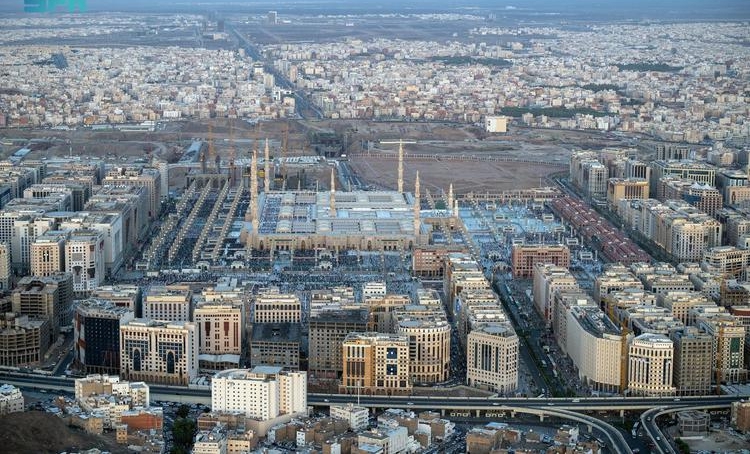
Real estate investment in Makkah and Madinah has always been driven by strong local demand, especially in sectors associated with Hajj and Umrah. With foreigners allowed to own shares in real estate companies, the flow of foreign investment is expected to increase, which could accelerate the development of residential, hotel and commercial projects. It may also provide the additional funding that real estate companies need to implement mega projects to keep pace with the growing demand for real estate in the two cities.
Opportunities for real estate companies and potential challenges
The decision will open up new prospects for real estate companies to attract foreign investors, which could help them improve their solvency and diversify their funding sources. It may also stimulate innovation in the real estate sector, whether in terms of developing modern designs that meet the needs of international investors, or promoting sustainability and quality standards in projects.
But on the other hand, the decision may open new horizons for real estate companies to attract foreign investors.
<On the other hand, the market may face some challenges, such as the possibility of higher prices as a result of increased investment demand, which may affect the purchasing power of citizens. In addition, the new investment environment may require more regulations to ensure market balance and protect the rights of all parties.
Also, the new investment environment may require more regulations to ensure market balance and protect the rights of all parties.
Effects of the decision on real estate prices and demand levels
The influx of foreign investments is likely to lead to a rise in demand for real estate in Makkah and Madinah, especially in areas close to the Makkah Mosque and the Prophet's Mosque, which could be reflected in prices. However, the actual impact will depend on several factors, such as the size of the investment flows, the nature of the new projects that will be developed, and the extent to which real estate companies respond to this new openness.
The role of the private sector in attracting foreign capital
<This decision places a great responsibility on real estate companies in Makkah and Madinah to attract foreign investors, as they have to offer attractive projects that comply with global investment standards, and promote transparency and financial disclosure to reassure new investors. Partnerships between local and foreign companies may also contribute to enhancing the transfer of expertise and developing the sector according to international best practices.
Experts" views on the future of real estate investment in the two holy cities
Economic experts believe that allowing foreign ownership of shares of real estate companies in Mecca and Medina may be a positive step towards developing the real estate sector and attracting new capital, but they emphasize the importance of monitoring the effects of the decision on the market to ensure a balance between foreign investments and national interest.
In the end, the question remains.
<In the end, the most important question remains: Will this move contribute to boosting real estate investments and achieving a qualitative leap in Mecca and Medina projects, or are there challenges that may hinder the achievement of the desired goals? The coming days will reveal the success of this new policy in redrawing the map of real estate investment in the two holy cities.
In the end, the most important question remains.