
عند دخولك إلى معرض أثاث، قد تخدعك المظاهر اللامعة والتشطيبات المتقنة، لكن الفارق بين قطعة مصنوعة من خشب طبيعي وأخرى من خشب صناعي قد يحدّد ليس فقط مدى جمال الأثاث، بل عمره وجودته واستثماره على المدى الطويل.
في وقت أصبحت فيه المواد الصناعية أكثر انتشارًا في صناعة الأثاث بسبب انخفاض التكلفة، تزداد الحاجة لوعي المستهلك ومعرفته بكيفية التمييز بين أنواع الخشب، خاصة في ظل وجود بعض الحيل التسويقية التي تُخفي العيوب وتُظهر الخشب الصناعي بمظهر قريب جدًا من الطبيعي.
أولًا: ما الفرق بين الخشب الطبيعي والصناعي؟
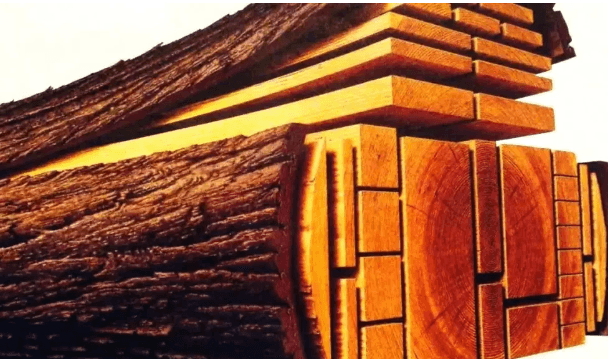
الخشب الطبيعي هو الخشب المأخوذ من الأشجار مباشرة، مثل الزان، والبلوط، والماهوجني، والسنديان. يتميز بصلابته، ومتانته، واحتفاظه بجماله لفترات طويلة، ويُعد خيارًا فاخرًا غالبًا ما يُستخدم في الأثاث الراقي.
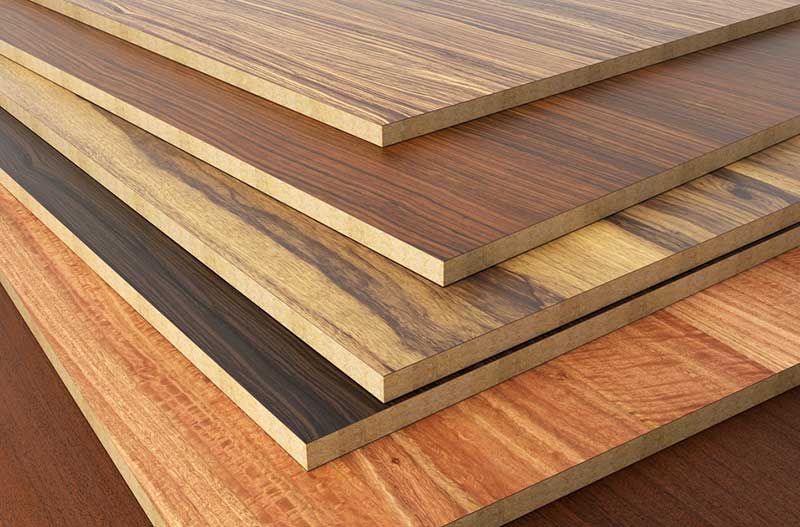
أما الخشب الصناعي، فيصنع من نشارة الخشب أو الألياف أو رقائق الخشب المضغوطة والممزوجة بمواد لاصقة، مثل الـMDF والكونتر والـHDF والخشب الحبيبي (Particle Board). يتميز بأنه أقل تكلفة، أسهل في التصنيع، لكنه أقل متانة مقارنة بالخشب الطبيعي.
كيف تميّز بين النوعين؟ أبرز العلامات والفروقات
فيما يلي مجموعة من العلامات البصرية والحسية التي تساعدك على التفرقة بين الخشب الطبيعي والصناعي عند شراء الأثاث:
1. الوزن
الخشب الطبيعي أثقل بكثير من الخشب الصناعي.
إذا شعرت بأن قطعة الأثاث خفيفة بشكل ملحوظ، فغالبًا ما تكون مصنوعة من خشب صناعي.
2. الملمس
يتميز الخشب الطبيعي بملمس غير متجانس وطبيعي، حيث يمكنك الشعور بعُقد الخشب أو تعرجاته.
الخشب الصناعي عادةً ما يكون ناعمًا ومصقولًا جدًا بشكل متكرر ومتشابه، نتيجة تصنيعه في قوالب.
3. الأنماط والعُقَد (Grain)
الخشب الطبيعي يحتوي على أنماط وعروق غير منتظمة، ويصعب تكرارها.
أما الخشب الصناعي فيتم تغطيته أحيانًا بطبقة “فنيير” أو “ميلامين” بطبعات تحاكي الخشب، لكنها تكون متكررة جدًا وبدون عمق حقيقي.
4. السطح الخلفي أو الداخلي
غالبًا ما تُخفي الواجهات الأمامية الصناعية حقيقة الخامة، لكن تفقد ظهر الأرفف أو الأجزاء الداخلية للقطع (مثل الأدراج)، ستجد أن الخشب الطبيعي يحتفظ بنفس لونه وملمسه في كل الجوانب.
أما الخشب الصناعي فقد يكون مغطى من الخارج فقط، بينما يظهر الجانب الداخلي بلون رمادي أو بني باهت يوحي بالخشب المضغوط.
5. رائحة الخشب
للخشب الطبيعي رائحة مميزة تدوم لفترة، بخاصة في القطع الجديدة.
أما الخشب الصناعي فغالبًا ما تكون رائحته كيميائية بسبب المواد اللاصقة أو الصمغ الصناعي المستخدم في تصنيعه.
6. قابلية الترميم والصيانة
يمكن ترميم الخشب الطبيعي بسهولة عبر صنفرته أو طلائه من جديد، دون أن يفقد جودته.
الخشب الصناعي يتلف بسهولة إذا خُدش أو تعرّض للرطوبة، ومن الصعب ترميمه.
لماذا يُفضل البعض الخشب الصناعي رغم عيوبه؟
رغم أن الخشب الطبيعي يتفوّق في المتانة والمظهر الفاخر، فإن الخشب الصناعي لا يزال شائعًا لعدة أسباب:
انخفاض التكلفة مقارنة بالأخشاب الطبيعية.
التوفر الواسع وسهولة التشكيل والتصميم.
الوزن الخفيف الذي يُسهّل نقله وتركيبه.
تنوع التشطيبات التي تمنحه مظهرًا قريبًا من الخشب الطبيعي.
لذلك، يُستخدم في الغالب في الأثاث الاقتصادي أو الحديث، خاصة في المكاتب والمطابخ والأثاث المؤقت.
نصائح الخبراء قبل الشراء
اسأل عن نوع الخشب تحديدًا، ولا تكتفِ بالوصف العام مثل “خشب طبيعي” أو “خشب ممتاز”.
افحص الزوايا والحواف، فهي أكثر المناطق التي تُظهر خامة الخشب الحقيقية.
اطلب توضيحًا عن بلد المنشأ ونوع المعالجة، فبعض أنواع الخشب الصناعي الجيد يمكن أن تكون مقبولة في بعض الاستخدامات.
قارن بين عدة معارض قبل اتخاذ قرار الشراء، وكن مستعدًا لدفع قيمة أعلى مقابل الجودة.
خلاصة القول:
قد يُخدع كثير من المشترين بمظهر قطعة أثاث مصقولة لامعة، لكن التمييز بين الخشب الطبيعي والصناعي هو مهارة أساسية لضمان جودة الشراء. فبينما قد تكون التكلفة معيارًا مهمًا، إلا أن الاستثمار في قطعة خشبية متينة وطبيعية قد يوفّر عليك كثيرًا من التكاليف المستقبلية المرتبطة بالتلف أو الاستبدال.
فلا تنخدع بالمظهر فقط… فـ”الخشب الجيد” لا يكذب!