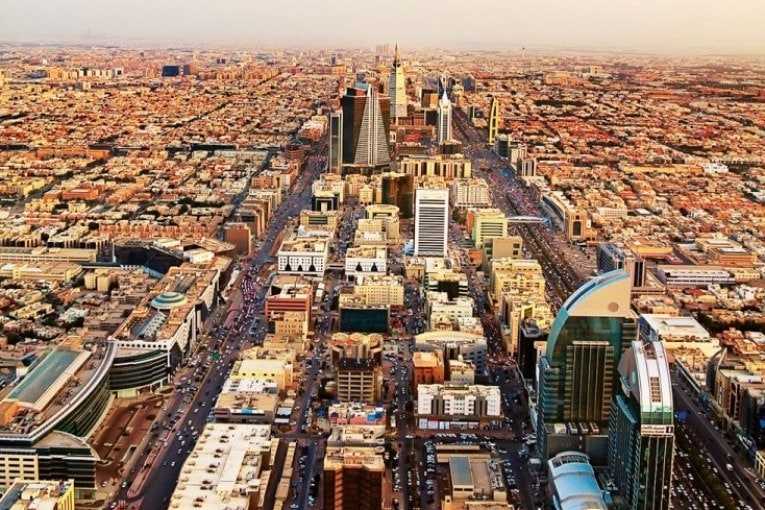

Lifting the ban on buying, selling, subdividing, and parceling land in northern Riyadh and approving new master plans represents a strategic step toward rebalancing the real estate market and strengthening its balance, thereby ensuring its sustainability and enhancing its competitiveness, in line with the objectives of Vision 2030. These directives followed in-depth studies conducted by the Royal Commission for Riyadh City and the Council of Economic and Development Affairs, against the backdrop of a notable rise in land prices and rents over the past few years.
Increasing the supply of real estate at reasonable prices
The directive was not limited to the release of land alone, but also included mandating the Royal Commission for Riyadh City to provide planned and developed residential land for citizens, ranging from 10,000 to 40,000 plots annually over the next five years, in accordance with market needs. A price cap of no more than 1,500 riyals per square meter was set to ensure the availability of land at reasonable prices, along with conditions to prevent speculation, such as a ten-year ban on selling, leasing, or mortgaging the land, with the exception of mortgages to finance construction on the land.
Legislative reforms to enhance transparency and stability
As part of efforts to stabilize the real estate sector, His Highness the Crown Prince to swiftly take the necessary regulatory measures to issue the proposed amendments to the Vacant Land Fees Regulation within 60 days. This amendment aims to stimulate land development and increase the real estate supply, thereby curbing monopolies and improving land use efficiency.
In addition, directives were issued to take regulatory measures within 90 days to regulate the relationship between landlords and tenants, thereby striking a balance between the rights of all parties and contributing to the stability of the residential and commercial rental markets. This step is intended to protect consumers and foster a stable investment environment.
Market Oversight and Increased Transparency
As part of efforts to strengthen sector governance, the General Real Estate Authority and the Royal Commission for Riyadh City have been tasked with monitoring real estate prices and submitting periodic reports on market trends. This measure aims to enable citizens and investors to make more informed decisions and enhance transparency in the real estate market, thereby contributing to sustainable growth and reducing price volatility.
Impact of the Directives on the Real Estate Market
These reforms are expected to contribute to achieving a range of strategic objectives, including stabilizing the cost of residential real estate as a share of total household spending, enhancing the business sector’s ability to bear real estate costs, as well as supporting stable inflation rates across various sectors. These amendments will also help stimulate investment in the real estate sector and create a more sustainable and competitive housing environment.
Toward a More Balanced and Sustainable Real Estate Market
The recent directives reflect the Saudi leadership’s commitment to addressing the challenges facing the real estate market by adopting innovative solutions that ensure a balance between supply and demand and stimulate sustainable investment. These reforms are part of a broader vision aimed at making Riyadh one of the world’s largest urban economies by enhancing its appeal to investors and improving the quality of life for its residents.
With these well-considered steps, the Kingdom is moving toward a new phase of real estate stability, where the market becomes more open and transparent, thereby enhancing opportunities for citizens to own suitable housing and supporting the urban renaissance the Kingdom is experiencing across various sectors.
Liberalization of Real Estate Transactions in Key Areas
It is worth noting that the most significant measures approved include lifting the moratorium on sales, purchases, subdivisions, and parceling, as well as issuing building permits and approving development plans in several areas north of Riyadh. These areas include the land located north of the city, bordered to the west by King Khalid Road, to the south by Prince Saud bin Abdullah bin Jalawi Road, and to the east by the Al-Aard neighborhood, covering an area of 17 square kilometers. The directives also covered land north of King Salman Road, adjacent to Abu Bakr al-Siddiq Road and the Al-Aard neighborhood to the east, Prince Khalid bin Bandar Road to the north, and the Al-Qayrawan neighborhood to the west, with a total area of 16.2 square kilometers.
These measures complement previous deregulation efforts, bringing the total area of land in Riyadh from which development restrictions have been lifted to 81.48 square kilometers, thereby opening up greater investment opportunities and providing more land suitable for urban development.