عندما يتعلق الأمر بالبناء، يبرز سؤال دائمًا في ذهن المهندسين والمطورين: هل نختار الطوب الأحمر التقليدي أم الطوب الأسمنتي الحديث؟ في ظل تقدم تقنيات البناء وتطور احتياجات السوق، أصبح الاختيار بين هذين النوعين من الطوب أكثر تعقيدًا، حيث يحمل كل منهما مزايا وعيوبًا تؤثر على التكلفة، والجودة، والمتانة، وحتى التوجهات البيئية. لكن أيهما الأنسب للبناء الحديث؟ في هذا التقرير، نغوص في مقارنة شاملة بين الطوب الأحمر والطوب الأسمنتي، نكشف خلالها عن الفروق الجوهرية التي تساعدك على اتخاذ القرار الأفضل لمشروع البناء التالي.
مكونات الطوب الأحمر والطوب الأسمنتي
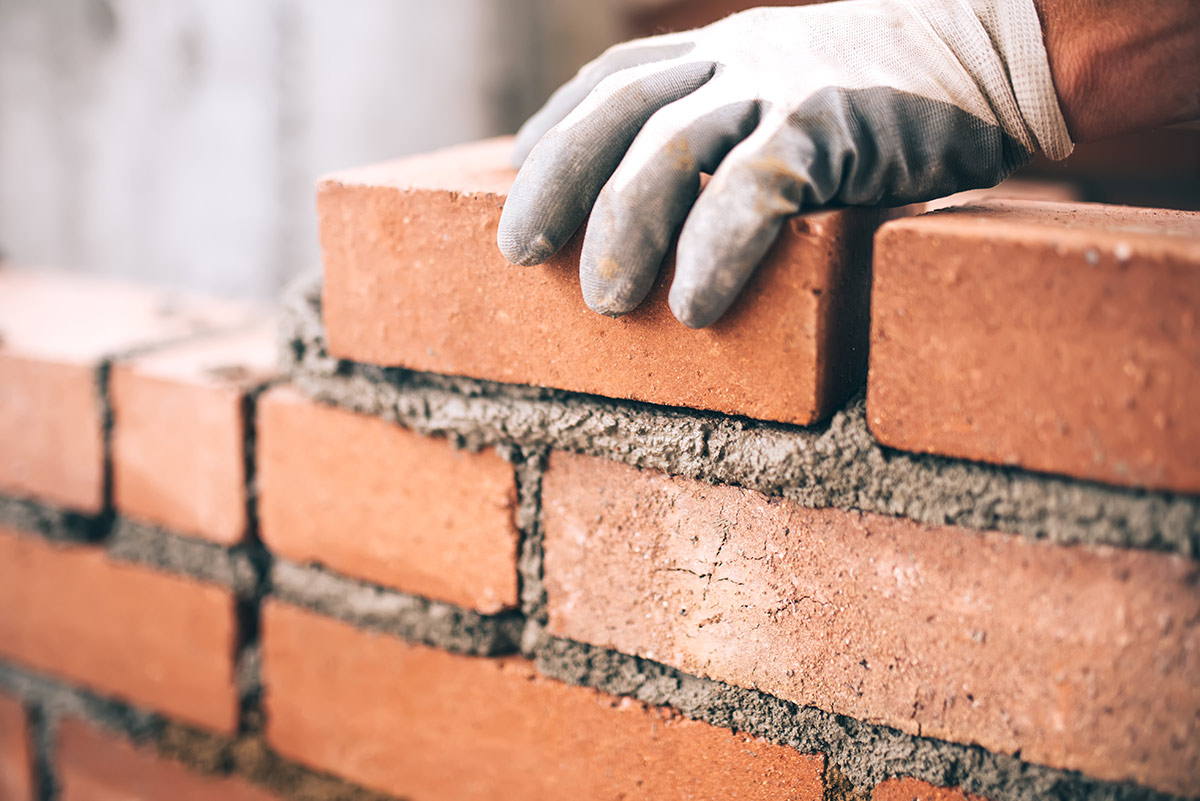
الطوب الأحمر: يتكون عادة من الطين الذي يتم تشكيله ثم حرقه في الأفران، مما يمنحه لونه الأحمر المميز.
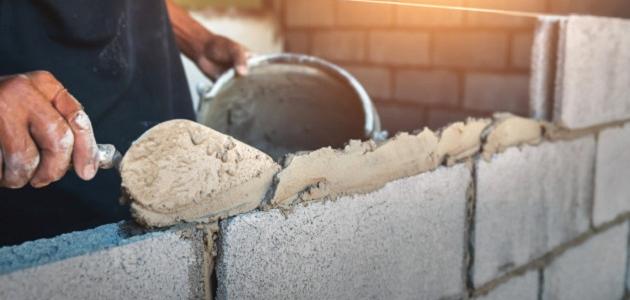
الطوب الأسمنتي: يتكون من مزيج من الأسمنت والرمل والركام، ويتميز بتقنية تصنيعه التي تتيح له أشكالًا متنوعة وقوة تحمل عالية.
المتانة والقوة
الطوب الأحمر: رغم أنه يتمتع بقوة متوسطة، إلا أنه أقل تحملاً من الطوب الأسمنتي في ظل الظروف البيئية القاسية.
الطوب الأسمنتي: يتمتع بقدرة تحمل أعلى، مما يجعله أكثر ملاءمة للبناء في المناطق التي تتعرض لظروف مناخية قاسية.
العزل الحراري والصوتي
الطوب الأحمر: يوفر عزلًا جيدًا ضد الحرارة والصوت بفضل تركيبه المسامي.
الطوب الأسمنتي: لا يوفر نفس مستوى العزل الحراري والصوتي مثل الطوب الأحمر، ولكنه يمكن معالجته لتحسين هذه الخصائص.
التكلفة والاقتصاد:
الطوب الأحمر: يعتبر أكثر تكلفة من الطوب الأسمنتي نظرًا لعمليات إنتاجه المعقدة وطول مدة تصنيعه.
الطوب الأسمنتي: يعتبر أكثر اقتصادية في التكلفة، مما يجعله خيارًا مفضلًا في المشاريع ذات الميزانية المحدودة.
الاستدامة والأثر البيئي:
الطوب الأحمر: يعتبر أقل استدامة من الطوب الأسمنتي، حيث يتطلب حرق كميات كبيرة من الوقود لإنتاجه.
الطوب الأسمنتي: يمكن إنتاجه باستخدام تقنيات أكثر استدامة، مما يقلل من التأثير البيئي.
التطبيقات العملية
الطوب الأحمر: يُفضل استخدامه في المشاريع التقليدية مثل الفيلات والمنازل ذات الطابع الريفي.
الطوب الأسمنتي: يُستخدم بشكل واسع في الأبنية التجارية والمشاريع ذات الارتفاعات الكبيرة.
في النهاية، يعتمد اختيار نوع الطوب الأنسب للبناء الحديث على العديد من العوامل، بما في ذلك الميزانية، الظروف البيئية، والأهداف الإنشائية. ومع تقدم تقنيات البناء، أصبح الطوب الأسمنتي الخيار الأكثر انتشارًا بفضل قوته، وكفاءته في التكلفة، وإمكانية تخصيصه. لكن الطوب الأحمر ما يزال يحمل سحره الخاص في بعض التطبيقات التي تتطلب طابعًا تقليديًا وراحة حرارية عالية.