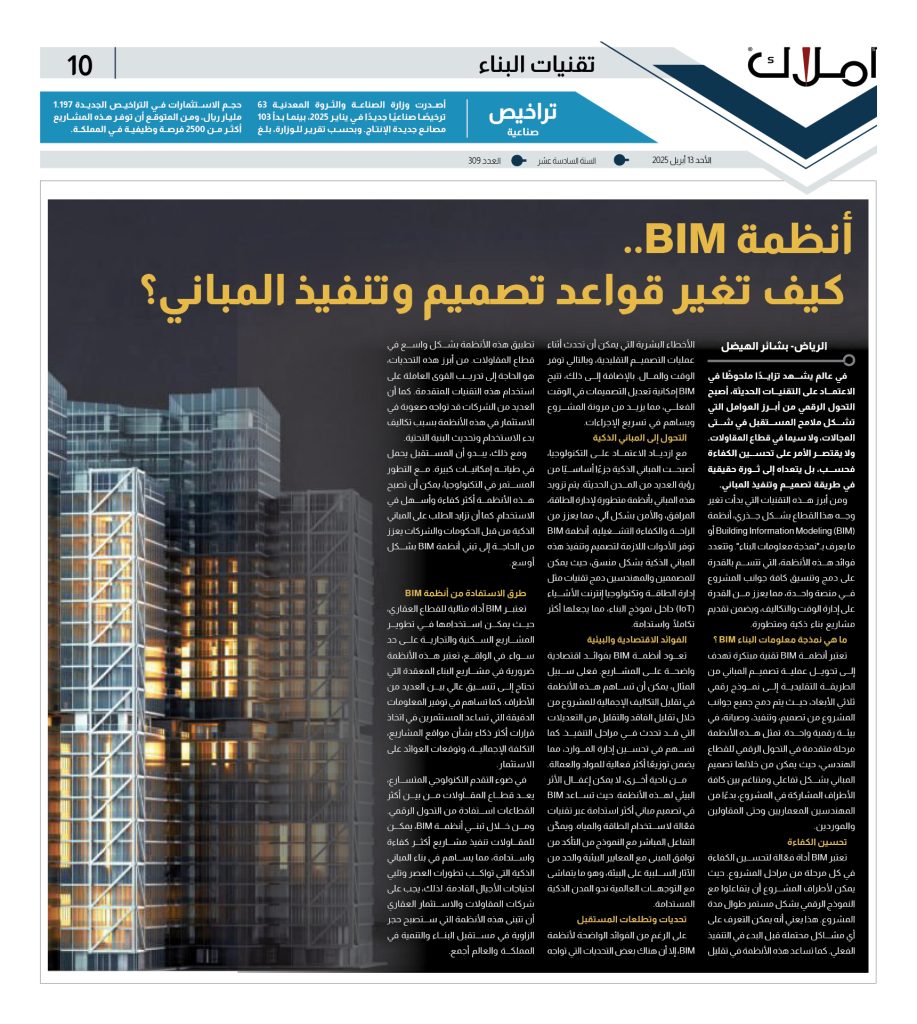

In a world increasingly reliant on technologies, digital transformation is shaping the future in every industry, but especially in construction. It's not just about improving efficiency, it's about revolutionizing the way buildings are designed and executed.
Digitalization is one of the most prominent technologies in the construction industry. <Building Information Modeling (BIM) or ”Building Information Modeling“. With the ability to integrate and coordinate all aspects of a project into a single platform, BIM can help manage time and costs and ensure the delivery of smart, cutting-edge construction projects."
Building Information Modeling.
What is BIM?
<BIM is an innovative technology that aims to transform the building design process from a traditional method to a digital 3D model, where all aspects of a project - design, implementation, and maintenance - are integrated into a single digital environment. These systems represent an advanced stage in the digital transformation of the engineering sector, through which buildings can be designed interactively and harmoniously by all parties involved in the project, from architects to contractors and suppliers.
Improving efficiency
<BIM is a powerful tool for improving efficiency at every stage of a project. Project parties can interact with the digital model continuously throughout the duration of the project. This means that any potential issues can be identified before the actual implementation begins. These systems also help minimize human errors that can occur during traditional design processes, thus saving time and money. In addition, BIM allows designs to be modified in real time, which increases project flexibility and speeds up the process.
The shift to smart buildings
With increasing reliance on technology, smart buildings have become an essential part of the vision of many modern cities. These buildings are equipped with sophisticated systems to automatically manage energy, utilities, and security, enhancing comfort and operational efficiency. BIM systems provide the tools to design and implement these smart buildings in a coordinated manner, where designers and engineers can integrate technologies such as energy management and Internet of Things (IoT) technology within the building model, making it more integrated and sustainable.
Designers and engineers can integrate technologies such as energy management and IoT technology within the building model, making it more integrated and sustainable.
Economic and environmental benefits
<BIM systems have clear economic benefits for projects. For example, they can reduce overall project costs by minimizing wastage and minimizing adjustments that may occur in the implementation stages. It also improves resource management, ensuring a more efficient distribution of materials and labor.
<On the other hand, the environmental impact of these systems cannot be overlooked. BIM helps design more sustainable buildings through efficient energy and water use techniques. Direct interaction with the model can ensure that the building complies with environmental standards and minimizes negative impacts on the environment, which is in line with global trends towards sustainable smart cities. .
Challenges and aspirations for the future
Despite the obvious benefits of BIM systems, there are some challenges facing the widespread implementation of these systems in the construction industry. Chief among them is the need to train the workforce to use these advanced technologies. Also, many companies may find it difficult to invest in these systems due to start-up costs and infrastructure upgrades.
<However, the future seems to hold great potential. As technology continues to evolve, these systems could become more efficient and easier to use. The growing demand for smart buildings by governments and businesses is also reinforcing the need for wider adoption of BIM systems.
Ways to benefit from BIM
<BIM is an ideal tool for the real estate sector, as it can be used in the development of both residential and commercial projects. In fact, these systems are essential in complex construction projects that require high coordination between many parties. They also provide accurate information that helps investors make smarter decisions about project locations, total cost, and return on investment projections. With the advancement of technology
In light of rapid technological advances, the construction industry is among the most benefited by digital transformation. By adopting BIM systems, contractors can implement more efficient and sustainable projects, contributing to the construction of smart buildings that keep pace with the times and meet the needs of future generations. Therefore, construction and real estate investment companies must adopt these systems, which will become the cornerstone of the future of construction and development in the Kingdom and the world.
Challenges and aspirations for the future
Despite the obvious benefits of BIM systems, there are some challenges facing the widespread implementation of these systems in the construction industry. Chief among them is the need to train the workforce to use these advanced technologies. Also, many companies may find it difficult to invest in these systems due to start-up costs and infrastructure upgrades.
<However, the future seems to hold great potential. As technology continues to evolve, these systems could become more efficient and easier to use. The growing demand for smart buildings by governments and businesses is also reinforcing the need for wider adoption of BIM systems.