
لم يعد اختيار مواد التشطيب مجرد قرار جمالي في عالم العمارة والتصميم الداخلي، بل تحوّل إلى فلسفة تجمع بين الذوق والوظيفة، وبين الاستدامة والابتكار. وبينما تتجه أنظار المصممين والمطورين نحو الحد من الأثر البيئي وتحقيق طابع فريد لكل مساحة، تبرز مجموعة من الاتجاهات الحديثة في مواد التشطيب تُعيد تعريف معنى التميز في تشطيبات المباني.
لطالما اعتُبرت مواد التشطيب بمثابة اللمسة الأخيرة التي تُضفي الجمال على المباني، لكنها اليوم باتت أكثر أهمية من مجرد “ديكور”. فهي تعكس القيم التي يحملها المشروع، سواء كانت تتعلق بالاستدامة، الأصالة، أو الابتكار.
وفي ظل تنامي الوعي البيئي، وتطور تقنيات التصنيع، وتغيّر أذواق المستخدمين، برزت ثلاث اتجاهات رئيسية أصبحت تمثل حجر الزاوية في مشروعات التصميم المعاصر:
أولاً: المواد المستدامة… حين تتحدث الجدران بلغة البيئة
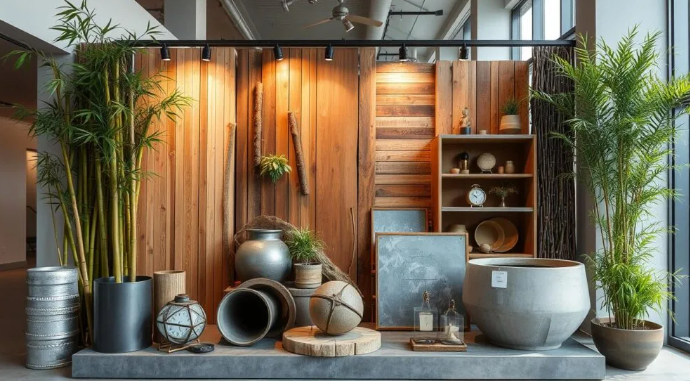
الخيزران (Bamboo): صديق الطبيعة ورفيق التصميم
الخيزران، الذي يُعرف بسرعة نموه واستدامته، لم يعد مجرد عنصر ديكوري شرقي الطابع، بل أصبح مادة أساسية في تصميم الأرضيات والجدران والأسقف، خاصة في البيئات التي تتبنى مبادئ العمارة المستدامة.
مميزاته:
يجدد نفسه في أقل من 5 سنوات دون الحاجة لإعادة زراعة.
خفيف الوزن، لكنه شديد الصلابة.
يمنح إحساسًا بالدفء والهدوء في المساحات الداخلية.
وقد بدأ استخدامه في مشاريع سكنية وفندقية تراعي البصمة الكربونية المنخفضة، وخاصة في دول مثل اليابان وسنغافورة، ويُتوقع أن يزداد انتشاره في مشاريع السياحة البيئية والمخيمات الفاخرة (glamping) في العالم العربي.
الأخشاب المعاد تدويرها: لمسة تاريخية بروح جديدة
باتت الأخشاب القديمة المعاد تدويرها من السفن أو الأبنية القديمة تشكّل خيارًا مفضلًا للمهندسين المعماريين الذين يبحثون عن طابع أصيل ودافئ. تعكس هذه الأخشاب قصصًا تاريخية في كل عقدة وخط طولي.
فوائدها:
تحافظ على الموارد الطبيعية.
تقلل من نفايات الهدم والردم.
تضيف طابعًا فنيًا مميزًا لكل مشروع.
في السعودية والإمارات، بدأنا نشهد استخدامها في المطاعم والمقاهي التي تتبنى طراز الريترو الصناعي أو الطابع الريفي الحديث.
الطلاءات الصديقة للبيئة: حائط يتنفس النقاء
الطلاءات المعتمدة على مكونات طبيعية مثل الطين، الكاولين، أو الجير أصبحت الخيار الأول للمصممين الذين يهتمون بصحة السكان وجودة الهواء الداخلي.
مزاياها:
خالية من المركبات العضوية المتطايرة (VOC Free).
مضادة للبكتيريا والعفن.
ألوانها تميل للطبيعة وتمنح طابعًا هادئًا للغرفة.
هذه الطلاءات مطلوبة بشدة في المستشفيات، الحضانات، والمدارس، وقد بدأت تدخل تدريجيًا في الوحدات السكنية المخصصة للعائلات.
ثانيًا: التشطيبات الطبيعية… جمال خام لا يحتاج إلى تزييف
الإسمنت المكشوف (Exposed Concrete): النقاء المعماري
في الماضي، كان يُنظر إلى الإسمنت المكشوف كعنصر غير مكتمل. اليوم، تحوّل إلى لغة معمارية قائمة بحد ذاتها، ويستخدم على نطاق واسع في التصاميم الصناعية والحديثة (Industrial/Modern).
أهم خصائصه:
لا يحتاج إلى طبقات دهان أو تغطية، ما يخفض التكلفة.
يتحمل الظروف البيئية القاسية.
يبرز الجمالية البنائية ويعزز مظهر “الصراحة المعمارية”.
استخدامه شائع في الاستوديوهات الفنية والمكاتب المفتوحة، وحتى بعض الفلل الحديثة التي تتبنى البساطة كعنوان فني.
الحجر غير المعالج: الأصالة في أنقى صورها
الحجر الطبيعي، دون صقل أو طلاء، أصبح مفضلًا في المشاريع التي تبحث عن التفاعل مع الطبيعة المحيطة، خاصة في المناطق الجبلية أو الصحراوية.
يُستخدم في:
الجدران الخارجية لإبراز الاندماج مع البيئة.
الأسوار والبهو الرئيسي (الفوييه) في الفلل الفاخرة.
اللمسات الداخلية في غرف المعيشة والمطابخ.
هذا النوع من التشطيب يضفي إحساسًا بالمتانة والعراقة، ويعزز من العزل الحراري للمباني في البيئات الصحراوية.
ثالثًا: الدمج بين المواد… حين يلتقي الفن بالهندسة
الخشب والمعدن: توازن بين الدفء والقوة
يُعتبر هذا الدمج من أكثر الاتجاهات شعبية في التصميمات الحديثة. فالمعدن يعطي هيكلًا حادًا وصناعيًا، بينما يخففه الخشب بطابعه الدافئ والعضوي.
أمثلة على الاستخدامات:
خزائن المطبخ: أبواب خشبية بإطارات معدنية سوداء.
الدرج الداخلي: درجات خشبية محمولة على هيكل حديدي مرئي.
الطاولات والأرفف: أسطح خشبية على قواعد معدنية.
هذا المزيج مثالي للمنازل العصرية التي تسعى للجمع بين الجمال الخام والوظيفة العملية.
الخشب والرخام: رفاهية ناعمة بنغمة طبيعية
الخشب يضفي نعومة، بينما يُعطي الرخام إحساسًا بالرفاهية والثقل. دمجهما معًا يُنتج توازنًا بصريًا وانطباعًا بالأناقة الراقية.
أين يُستخدم؟
أسطح الحمامات والمطابخ: خشب داكن مع رخام أبيض.
خلفيات التلفاز: لوح رخامي في المنتصف، محاط بإطار خشبي.
غرف النوم الرئيسية: طاولات جانبية أو خزائن مدمجة تجمع المادتين.
هذا الاتجاه شائع في المشاريع الفندقية والفلل الراقية، ويمنح كل غرفة شخصية فريدة تمزج بين الفخامة والبساطة.
لماذا تتجه التصميمات الحديثة لهذه المواد؟
✅ الاستدامة والوعي البيئي: أصبح العملاء والمطورون يفضلون مواد تحترم البيئة وتقلل من الأثر الكربوني.
✅ التكامل مع الطبيعة: المواد الطبيعية غير المصقولة تعزز من الإحساس بالتناغم مع المحيط وتخلق بيئة مريحة نفسيًا.
✅ التميز والهوية: الدمج بين المواد يخلق توقيعًا بصريًا فريدًا لكل مشروع.
✅ المرونة في التصميم: تتيح هذه المواد للمصممين حرية كبيرة في التعبير، خاصة عند الجمع بين المواد الباردة والدافئة أو الخشنة والناعمة.
تشطيبات اليوم… انعكاس لفلسفة الحياة
لم تعد مواد التشطيب مجرد تفصيل تقني، بل أصبحت وسيلة للتعبير عن القيم والهوية والرؤية. ففي كل حائط إسمنتي مكشوف، أو قطعة خشب معاد تدويرها، أو خليط رخامي–خشبي، توجد رسالة صامتة تقول: “نحن نهتم بالجمال، وندعم البيئة، ونؤمن بالتجديد”.
في العالم العربي، ومع تسارع حركة التطوير العمراني، تفتح هذه الاتجاهات أبوابًا جديدة أمام المعماريين والمستثمرين لإبداع مساحات تعكس الروح، وتحترم البيئة، وتخاطب الحواس. ويبقى التحدي في دمج هذه الاتجاهات العالمية مع الطابع المحلي والهوية المعمارية العربية، لصناعة تجربة تشطيب لا تُنسى.