
Saudi Arabia's air transportation traffic witnessed unprecedented growth in 2024, establishing the Kingdom as a regional and pivotal hub in the aviation sector. The Air Transport Statistics Bulletin issued by the General Authority for Statistics revealed a remarkable rise in passenger numbers, air cargo volume and flights, reflecting a strong recovery and sustainable prosperity in the Saudi aviation sector.
More than 128 million passengers... and the ambition is rising
According to the Authority's data, the number of passengers through Saudi airports reached more than 128 million passengers during 2024, achieving a growth rate of 14% compared to 2023, a clear indication of the rapid expansion of air transportation services and airport infrastructure.
🌍 Growth in international and domestic flights
Passenger traffic was distributed as follows:
69 million passengers on international flights, a year-on-year increase of 14%.
59 million passengers on domestic flights, with further growth of 16%.
This balance reflects the expansion of the Kingdom's international connectivity with the world, in parallel with increased efficiency in domestic mobility, supported by the expansion of domestic aviation networks and the increase in the air fleet.
King Abdulaziz Airport in the lead
In terms of airport rankings:
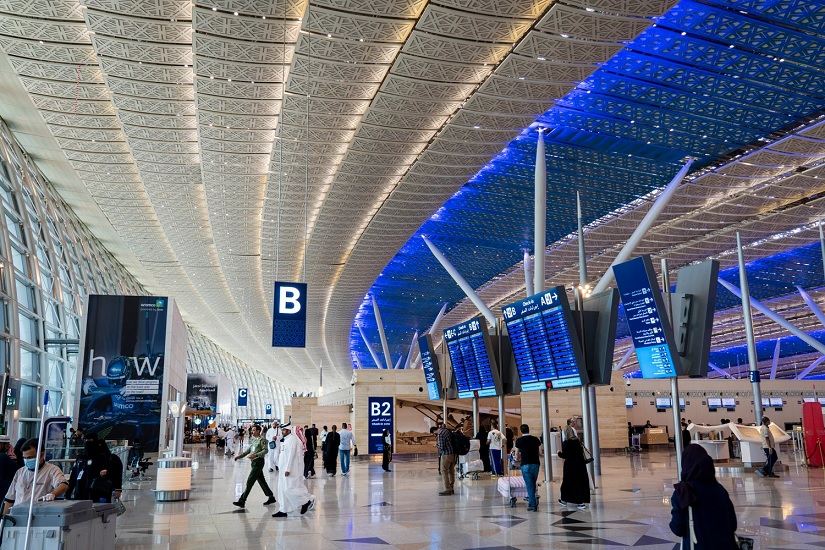
King Abdulaziz International Airport in Jeddah came out on top with more than 49 million passengers. <King Khalid International Airport in Riyadh followed with more than 37.6 million passengers. This ranking reflects the continued growth of the Kingdom's vital air hubs, with a major focus on improving the passenger experience and expanding infrastructure."
The ranking reflects the continued growth of the Kingdom's vital air hubs, with a major focus on improving the passenger experience and expanding infrastructure.
Air cargo... a 34% jump
The growth was not limited to passenger transportation, but also included the air cargo sector, which recorded:
1.2 million tons of air cargo through the Kingdom's airports in 2024.
Achieving a huge annual increase of 34%.
March was the highest month for cargo volume, with 123,000 tons, reflecting intense commercial and logistical activity during that period.
This growth further strengthens the role of the Kingdom's air cargo hub. This growth reinforces the Kingdom's role as a major logistics hub within the objectives of Vision 2030 in developing the transportation and logistics sector.
905 thousand flights during the year
The data also showed that 905 thousand flights were recorded during the year, including:
474 thousand domestic flights.
431 thousand international flights.
This indicates a clear balance between domestic and international traffic, reflecting the growing demand for aviation services inside and outside the Kingdom and the growing attractiveness of Saudi destinations.
Vision 2030 reshapes the aviation map
These figures come against the backdrop of an ambitious transportation and logistics strategy, which aims to:
Raise airport capacity to 330 million passengers per year by 2030.
<Enhance the Kingdom's position as a global center for aviation, travel and tourism.
Support the private sector and foreign investments in airports and airlines.
Support the private sector and foreign investments in airports and airlines.
The future of air transport in the Kingdom... more flying
<These results are a strong indicator of the sector's recovery after the COVID-19 pandemic, and open the way for further investments and international partnerships.They also reflect improved operational efficiency, expansion of air connectivity, and enhanced travel experience for citizens, residents and visitors, making Saudi Airlines a pivotal player in the region and globally.