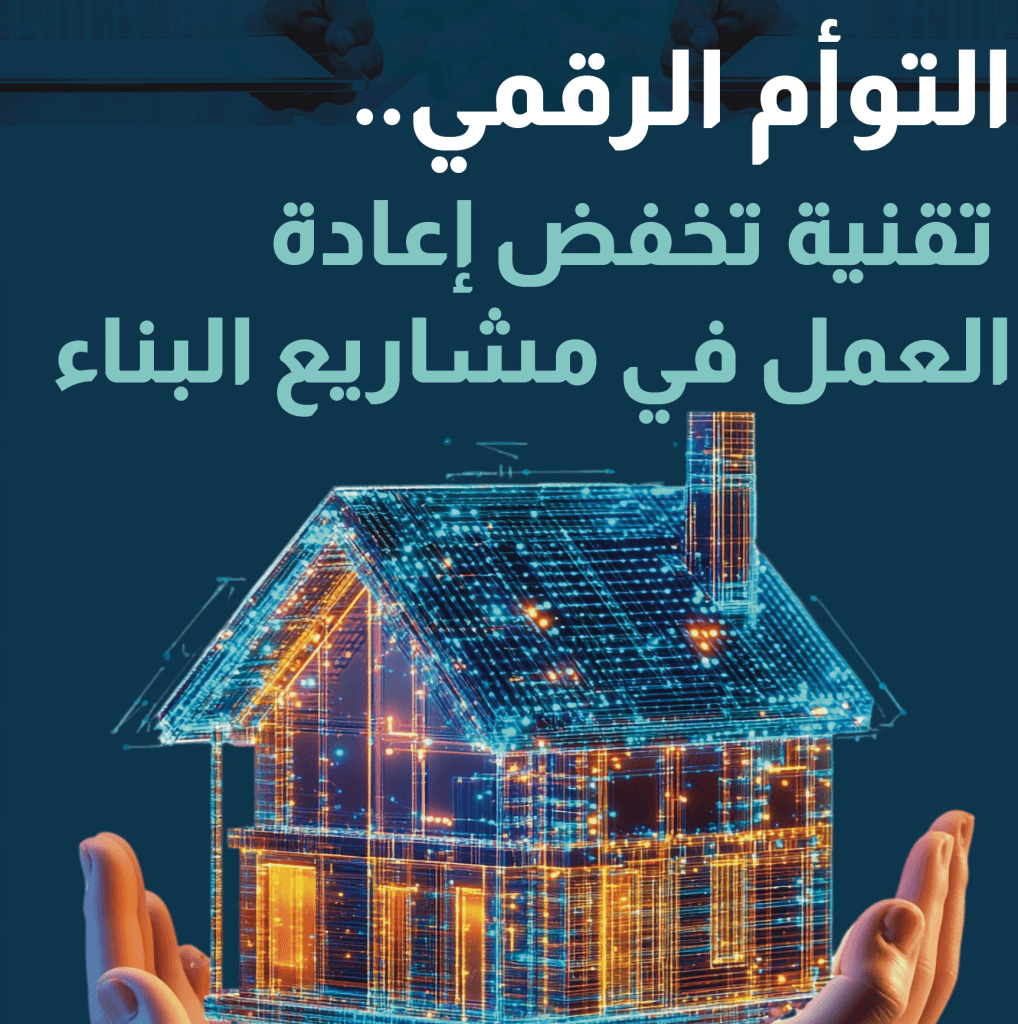

As we live in an era of rapid innovation, where technology intertwines with the details of daily life, the concept of the smart home is no longer just a luxury—it has become a practical and realistic option in modern home design. Technology is no longer limited to smart devices or voice control; it has expanded to redefine the very elements of interior design itself, in what is known as ”connected decor” —where every decorative element becomes part of a smart system that interacts with the user and responds to their needs.
Smart lighting… More Than Just Illumination
Among the most prominent components of connected decor are smart lighting systems, which have moved beyond the concept of traditional lighting to become a means of infusing spaces with a mood-enhancing and vibrant atmosphere. With the push of a button—or even through voice commands—you can control brightness, light colors, or operating schedules to suit your mood or the social occasion.
These systems also help improve energy efficiency, as they can be programmed to operate at specific times or in response to motion, thereby reducing waste while increasing comfort.
Electronic blinds… privacy and elegance around the clock
Blinds are no longer just a static decorative element. Today, they have become part of a smart home system, through electronic blinds that can be controlled remotely or programmed to open and close automatically based on sunrise and sunset times, or according to the light level inside the room.
This technology not only provides convenience but also helps improve the efficiency of air conditioning and lighting by controlling the amount of sunlight entering the room, which leads to energy savings and a more balanced home environment.
Interactive Walls… The Space That Speaks to You
In a quantum leap in the world of interior design, interactive walls are making their way into smart homes. These walls are not just blank surfaces; they are equipped with smart display technologies or touchscreens that can be used to display weather information, schedules, play music, or even participate in virtual meetings.
They can also be used to change the visual atmosphere of the home; users can choose landscapes or lighting effects to suit their mood, giving the home a dynamic feel that renews itself daily.
Technology that serves design without overshadowing it
A number of interior design experts and designers emphasize that successfully integrating technology into interior design does not mean allowing technology to overshadow the aesthetic character; on the contrary, the most prominent trends in smart home design today are based on making technology invisible, seamlessly integrated into decorative elements.
Architect Dana Al-Harthi, a specialist in smart home design, says: “True intelligence in design is when the user feels that everything works seamlessly without being visible—the lighting, the air conditioning, the sound system, and even the walls—all interact with you without imposing a distracting technological presence.”
The Future of Smart Homes: The Living Home
With the advancement of artificial intelligence and the Internet of Things (IoT), it seems that “connected decor” will continue to evolve, turning our homes into places that interact with us just as humans interact with one another. Your home now understands your daily routine and automatically adjusts its settings to suit your habits—from when you wake up to your favorite type of music in the evening.
It’s not out of the question that, in the future, the wall itself could become a full-fledged control panel for the home, or that a table could turn into a smart screen that interacts with whatever is placed on it.
Conclusion: When Taste Becomes Intelligence
Ultimately, smart homes are no longer just buildings containing connected devices; they have become “living” entities that interact with their residents, creating amazing visual and functional experiences through the intelligent integration of technology and design. Connected decor is not just a passing trend; it is the future of interior design, where beauty meets intelligence, and comfort blends with innovation.