
“Realty Plus” magazine reported that iconic buildings in the Middle East are no longer merely towering structures, but have become a living embodiment of the region’s bold aspirations to shape an architectural future that exceeds expectations. The magazine emphasized that these ambitions have helped raise the bar for architectural and construction innovation globally, making the region home to some of the world’s most expensive and significant urban projects.
Kingdom Center Tower
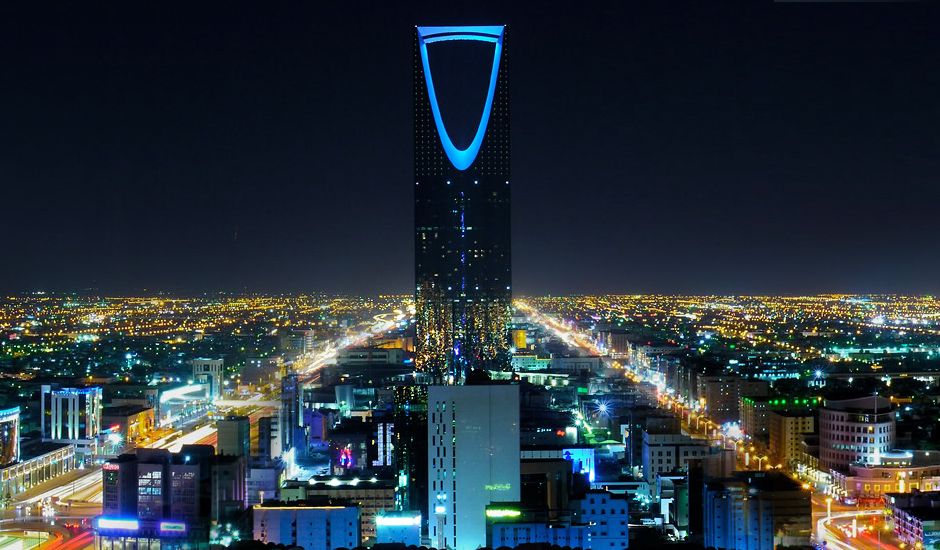
Among the most prominent of these landmarks is the Kingdom Center Tower in the Saudi capital, Riyadh, which cost $1.2 billion to build. The tower is renowned for its unique design, which resembles a hyperbolic arch, and is crowned by a distinctive architectural finial. It was designed by American architect Scott Perry, in collaboration with the American firm Ellerbe & Beckett and the Saudi firm Omrania. The tower features luxury residences, an upscale shopping center, and the world-class Four Seasons Hotel, making it one of the Kingdom’s most prominent symbols of luxury.
Burj Khalifa
The Burj Khalifa in Dubai, which opened in 2010, is the world’s tallest building at 828 meters, with a construction cost of $1.5 billion. Designed by world-renowned architect Adrian Smith and his team at Skidmore, Owings & Merrill, it is the jewel of the luxurious “Dubai Downtown” project.
The tower embodies Dubai’s vision for the future and features luxury residential apartments, observation decks with breathtaking views, and world-class entertainment and commercial facilities, cementing the emirate’s image as an ambitious global city.
The Grand Egyptian Museum
In Egypt, the Grand Egyptian Museum holds a prominent place among luxury projects, with a construction cost of approximately $1.03 billion. Its design was selected following an international competition in 2003, won by the Irish firm “Heinegan Bing,” and construction began in 2005. Despite delays caused by the global financial crisis, the Arab Spring, and the COVID-19 pandemic, it is finally set to open this year, becoming the world’s largest archaeological museum dedicated to a single civilization.
The Louvre Abu Dhabi
Also in the UAE, the Louvre Abu Dhabi stands out as a massive cultural and architectural project with a construction cost of approximately $650 million, designed by French architect Jean Nouvel. The museum covers an area of 260,000 square feet under a distinctive mosaic dome that reflects sunlight in a style reminiscent of desert oases.
Abu Dhabi did not stop at simply building it; it also paid approximately $520 million to use the name "Louvre" for 30 years, along with an additional $747 million to secure art loans and guidance from French museums, making the museum a symbol of cultural and intellectual exchange between the East and the West.
Qatar National Museum
In Doha, Qatar chose to draw inspiration from the Desert Rose for the design of its new National Museum, which was also completed by architect Jean Nouvel. The museum spans 430,000 square feet and features 11 permanent exhibitions that tell the story of Qatar from prehistoric times to the modern era. The museum’s bold design, inspired by natural crystal formations in the desert, translates the language of the environment into stunning architectural art that reinforces national identity.
"Realty Plus" magazine concluded that these architectural projects, despite their exorbitant costs, reflect an unprecedented ambition among countries in the region to redefine the urban, cultural, and architectural landscape, and even to export it to the world as a futuristic model of construction, where modernity intersects with identity, and luxury with innovation.