The 7th Competitiveness Forum Concludes Amid Regional and International Participation
• Minister of Planning: 2 trillion riyals in infrastructure and construction investments currently underway
• Chairman of the Tourism Authority: This year will see major transformations in the national tourism industry
Riyadh—Amlak
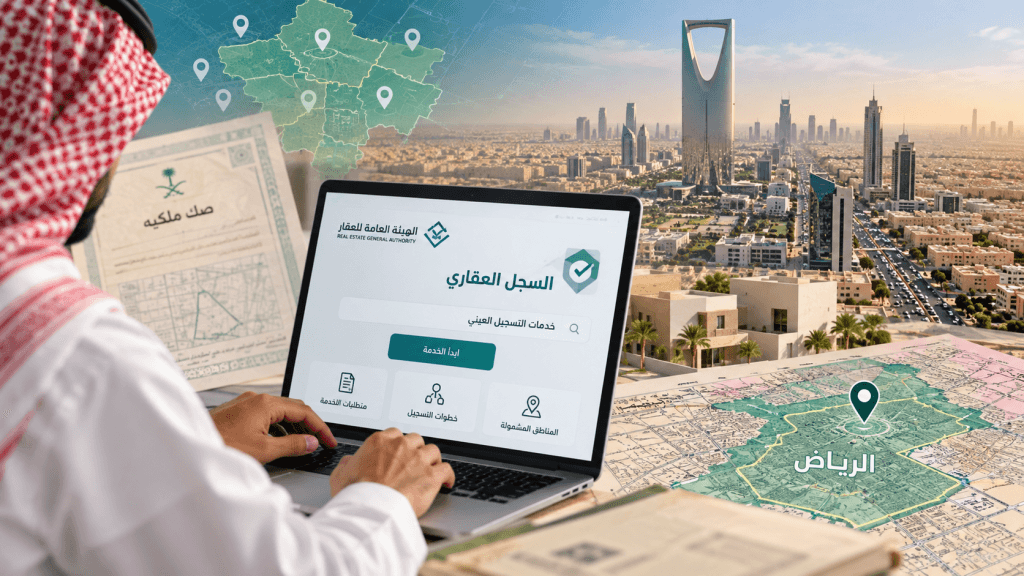
The 7th Competitiveness Forum, organized by the General Authority for Investment, concluded at the Four Seasons Hotel in Kingdom Tower, Riyadh, under the theme “Building Competitive Partnerships,” from January 18–20, with the participation of a large number of leading figures in economics and investment, international personalities, and a number of officials from the Kingdom.
Infrastructure
In his address to the 7th Competitiveness Forum at the Four Seasons Hotel in Kingdom Tower, Minister of Economy and Planning Dr. Mohammed Al-Jasser stated:that the Kingdom’s economy is vibrant and dynamic, having recorded negative growth in only one year out of the past 25 years, Furthermore, the Kingdom enjoys a strong financial position, with a debt-to-GDP ratio of only 2.7%, which is a low figure.
The Minister of Economy revealed that the state has injected massive investments into infrastructure and continues to do so; the value of investments currently underway is estimated at approximately 2 trillion riyals in civil infrastructure projects, including highways, railways, metro lines, ports, economic cities, and other projects.
He said: «The Kingdom ranks nineteenth among the world’s major economies and within the region, and it enjoys an abundance of energy resources, sitting on approximately 25% of global oil reserves, . It serves as a strategic link between the East and the West, and its location is considered a gateway to regional markets, with access to some 300 million consumers within no more than a 3-hour flight from Riyadh.
Launch of Initiatives
Engineer Abdul Latif Al-Othman, Governor of the General Investment Authority, explained that the Kingdom has launched numerous economic initiatives aimed at strengthening its business environment.
In his speech, Al-Othman emphasized that the Foreign Investment Law was enacted in 2000 and implemented in 2005, and in the same year, the Kingdom joined the World Trade Organization and began making significant efforts to develop and reform its commercial and economic systems related to investors, such as low-interest long-term loans and a competitive tax system.
Al-Othman explained that the Kingdom has a very large consumer market, making it one of the best countries for free trade agreements. Today, the Kingdom of Saudi Arabia is considered one of the world’s largest economies; we have a strong youth population, which accounts for 61% of the total workforce in Saudi Arabia, and 35% of them are under the age of 15.
Tourism in the Kingdom
For his part, His Royal Highness Prince Sultan bin Salman bin Abdulaziz, President of the General Authority for Tourism and Antiquities, affirmed that the recent government decisions to support tourism and national heritage are the culmination of systematic, cumulative efforts over the years, noting that this work lays the foundation for all future achievements in this sector.
In his speech at the forum, he explained, «God willing, 2014 will witness major transformations in the national tourism industry.» He added: «The Kingdom possesses many assets that create a competitive environment across various sectors, including its geographical location, which dates back thousands of years.« He highlighted the Cabinet’s recent decision to approve the »King Abdullah Project for the Preservation of Cultural Heritage,« and the decision to »provide financial and administrative support to the General Authority for Tourism and Antiquities to carry out the tasks entrusted to it by law,« noting that the decision underscores the state’s commitment to national heritage.
Sessions and Discussions
The forum discussed a number of working papers related to the economy, sustainable development, tourism, and investment, with the aim of promoting the concept of effective partnership and improving the competitiveness of the business and investment environment. The forum also highlighted the Kingdom of Saudi Arabia and investment opportunities there. The session discussed «Completing the Development of National Industry,« consumers« preference for purchasing local products, and governments’ increasing efforts to develop their countries’ competitive advantages. He also addressed questions regarding what “Made in Saudi Arabia” products we need, what “Made in Saudi Arabia” actually means, what can be manufactured for export, and how we can transform our economy from one based on energy to one based on knowledge. In addition to local content, he identified areas of local competitiveness.
Mr. Andrew Levers, CEO of Dow Chemical, explained that “every job inside a factory creates three jobs outside it; therefore, we must support the advanced manufacturing component of this ecosystem, as collaboration in this area drives innovation. Manufacturing accounts for more than 90% of research spending; it transforms production into innovation, and innovation into prosperity. As part of our commitment, we partnered with the Ministry of Commerce and Industry, studied Saudi Arabia’s advanced manufacturing plan, and presented our findings in the United States and the European Union. and found many supporters of our vision. The Kingdom is at the forefront of oil-exporting nations, but that is not the only driver of the industry. Our company is committed to being a partner in this progress.
Inspiring Experiences
For his part, Mu’tasim Al-Ma’shouq, Vice President of Business Development at Aramco, emphasized that “Aramco’s legacy is well known to everyone in the Kingdom; since our earliest days in the 1930s, we have developed many large-scale projects and supported entrepreneurs. Today, I want to make it clear that we need to think differently about the work we do, and within this framework, there is a model we adhere to, one that is deeply rooted.
Mutlaq Al-Murshid, Executive Vice President of Finance at SABIC, touched on one of SABIC’s experiences, saying: “We began promoting the ‘Made in Saudi Arabia’ brand from day one at SABIC. When we started, the plastics and petrochemicals sector was weak, but it has now become very strong thanks to our plans and partnerships with many manufacturers.
Among the national companies that shared their success stories during this session was Al-Fanar. Regarding their experience, Abdul Salam Al-Mutlaq, the company’s CEO, said: “We started with a 3,000-meter factory, and we’ve grown tremendously over time, improving our operations and business. Today, we can quickly capture a large share of the market with products tailored to the Saudi market.