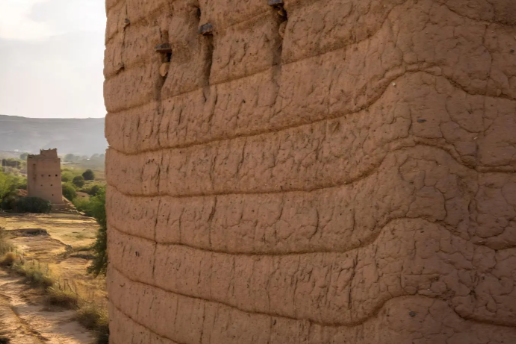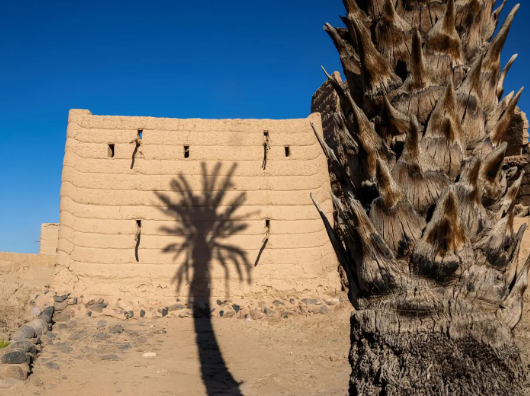

The ancient architectural styles in the Najran region formed a unique model in local architecture, as evidence of human genius in construction, and the ability to create architectural solutions that are in harmony with the environment, combining simplicity and sustainability, through the use of simple materials and their transformation into stable and solid tools. Despite the passage of time, they have remained cohesive, and have become a prominent cultural heritage icon, and a focus of attention for explorers and those interested in the region’s ancient heritage.
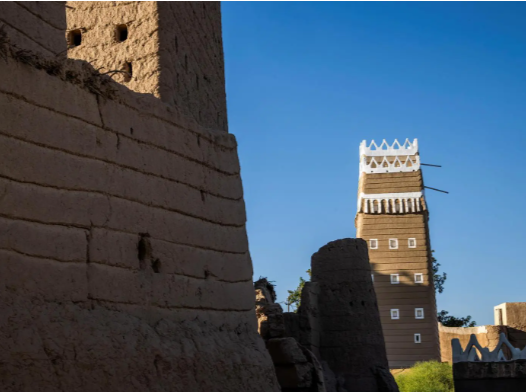
The Najrani architecture is distinguished by its aesthetic aspect, with unique and sophisticated geometric touches, including internal and external decorations and inscriptions, expressing the identity of the Najrani community and its inherited traditions.
The architectural patterns, with their details, documented the features of the daily life of the people in the past, as they formed a cohesive social fabric that reflects the nature of social relations, patterns of coexistence, and lifestyles that were linked to the local environment and contributed to consolidating the values of cooperation and solidarity.
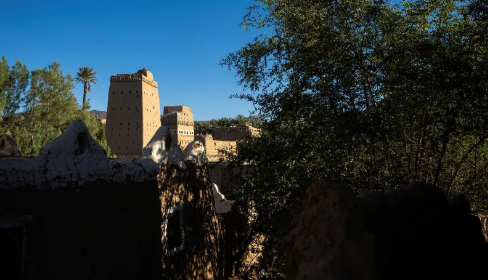
Traditional councils in architecture have a prominent social and cultural role, and are a place for exchanging opinions, making decisions, and resolving disputes. They are also a favorite place for young people to gain experience from elders, which has contributed to preserving customs and traditions and consolidating authentic social values.
The old architectural styles in the region receive attention and care through their restoration and rehabilitation, due to their historical importance and their cultural and touristic value. The same tools with which they were built are used so that they do not lose their visual identity and to preserve their traditional character, as a cultural heritage and a fundamental pillar in promoting national identity.