”Humane“ for AI
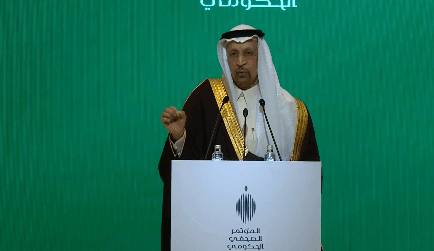
<As part of the digital and technological transformation, the minister announced that Humanine will become Aramco in the field of artificial intelligence within the Kingdom, confirming the Kingdom's orientation towards innovation and modern technologies. Al-Falih added that the National Investment Strategy is based on four main axes that include 41 qualitative initiatives that aim to create innovative investment opportunities that serve various economic sectors, provide excellent services to investors and increase their numbers, improve the investment experience, enhance and facilitate access to sources of financing, and raise the competitiveness of the investment environment in the Kingdom.Falih added. <The Minister also referred to the Kingdom's participation in the World Economic Forum as a unique and confident positive model with a clear vision, at a time when pessimism dominates the global economic atmosphere, stressing that the Kingdom is moving steadily towards a prosperous economic future. The press conference comes within the framework of enhancing transparency and communication with the public, where Al-Falih reviewed the most prominent investment developments that have positively impacted the national economy, while highlighting the developments of the investment system and future trends under Vision 2030.
Falih also highlighted the Kingdom's participation in the World Economic Forum as a positive and confident model with a clear vision.
Growth in the number of global companies
<He stressed that the Kingdom has witnessed a surge in foreign investment flows, an increase in the number of global companies that have moved their headquarters to Saudi Arabia, and the modernization of many regulations and legislation in line with Vision 2030, making it one of the most attractive emerging markets for capital. Al-Falih stressed that FDI inflows have quintupled since the launch of Vision 2030, and that Saudi Arabia has become one of the most attractive emerging economies for investment, thanks to the ministry's efforts in modernizing legislation and facilitating procedures for investors. He pointed out that these reforms have had a direct impact on increasing employment, reducing unemployment rates, and increasing the participation rate of Saudi men and women in the private sector since the launch of the vision until the end of 2025. <The data showed that the Kingdom ranked eighth among the G20 countries in terms of FDI inflows in 2024, worth $31.8 billion (119.2 billion riyals), exceeding the annual target for the fourth consecutive year, reflecting the continued investment momentum and the remarkable improvement in the business environment against the backdrop of reforms and the Kingdom's Vision 2030. The Saudi investment environment has witnessed significant reforms, including modernizing the investment regime, removing restrictions on foreign investment, and enhancing governance and transparency, making the Kingdom more competitive and a preferred destination for local and foreign investors in the manufacturing, energy, tourism, and healthcare sectors. The IMF praised the reforms and investment projects implemented by Saudi Arabia, which have contributed to attracting foreign capital to new sectors such as entertainment and technology, in addition to the oil sector, which continues to attract significant investments. Al-Falih concluded by emphasizing that Vision 2030 is not just an economic plan, but a real journey that has proven its success with numbers and achievements, towards building a diversified and sustainable economy that ensures the well-being of Saudi citizens and puts the Kingdom on the global economic map as an investment power to be reckoned with.Falih concluded.