
تسعى الهيئة العامة للعقار إلى تنظيم العلاقة الإيجارية بين المؤجر والمستأجر من خلال مجموعة من القرارات والضوابط التي تشمل أنواع العقود المشمولة، وآلية تحديد قيمة الإيجار، وإجراءات تسجيل العقود في شبكة «إيجار».
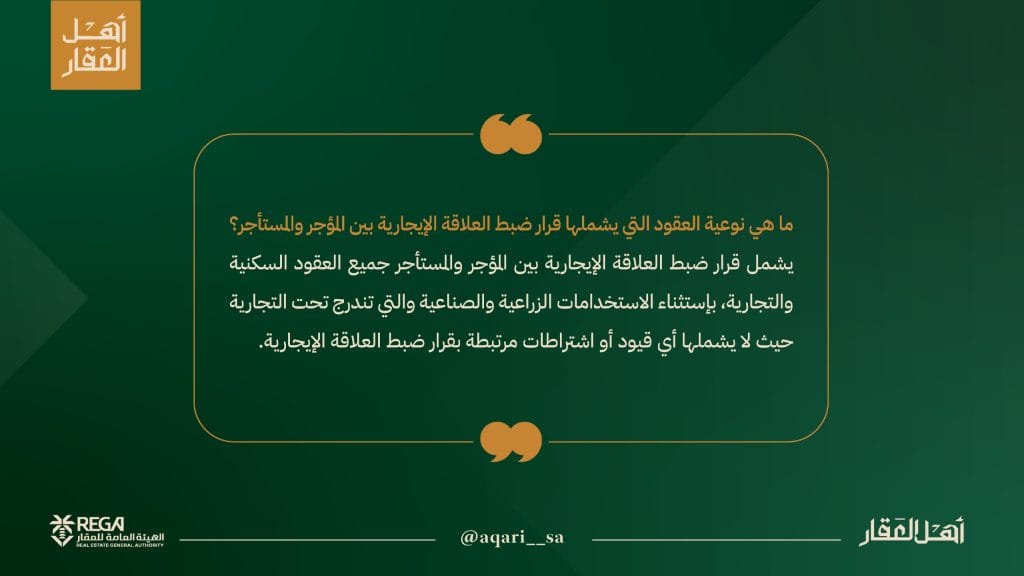
أولاً: أنواع العقود المشمولة بضبط العلاقة الإيجارية
يشمل قرار ضبط العلاقة الإيجارية جميع العقود السكنية والتجارية، باستثناء الاستخدامات الزراعية والصناعية التي تندرج تحت العقارات التجارية ولا تخضع للاشتراطات المرتبطة بضبط العلاقة الإيجارية. ويهدف هذا القرار إلى توحيد الإطار التنظيمي للعقود وضمان وضوح الالتزامات بين الأطراف.
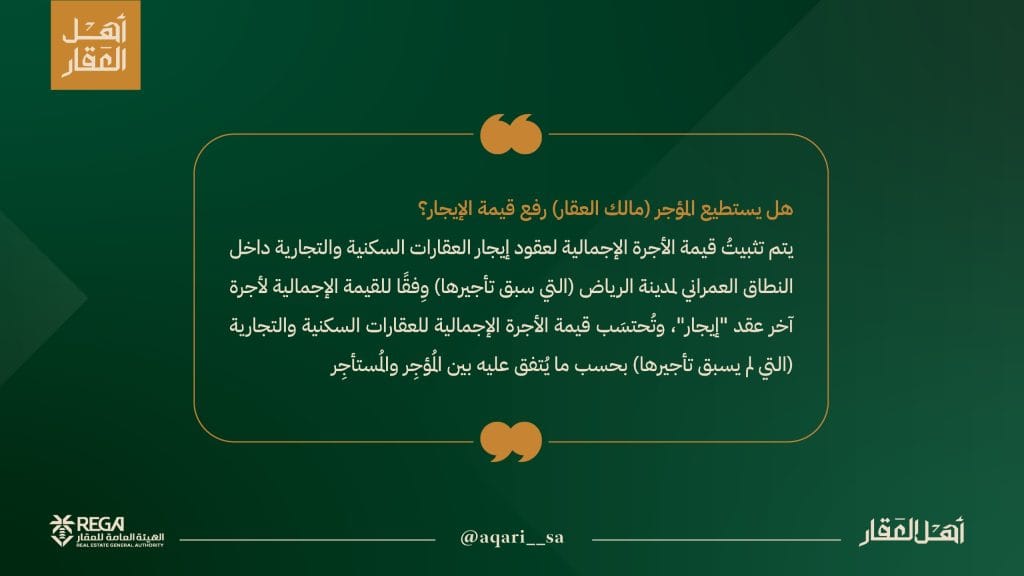
ثانياً: آلية تحديد ورفع قيمة الإيجار
يتم تثبيت قيمة الأجرة الإجمالية لعقود إيجار العقارات السكنية والتجارية داخل النطاق العمراني لمدينة الرياض وفقاً للقيمة الإجمالية لآخر عقد إيجار مسجل للعقار المؤجر مسبقاً. أما العقارات التي لم يسبق تأجيرها، فتُحدد قيمة الأجرة وفق ما يتم الاتفاق عليه بين المؤجر والمستأجر، بما يحقق مرونة في التفاوض ويحافظ على استقرار السوق.
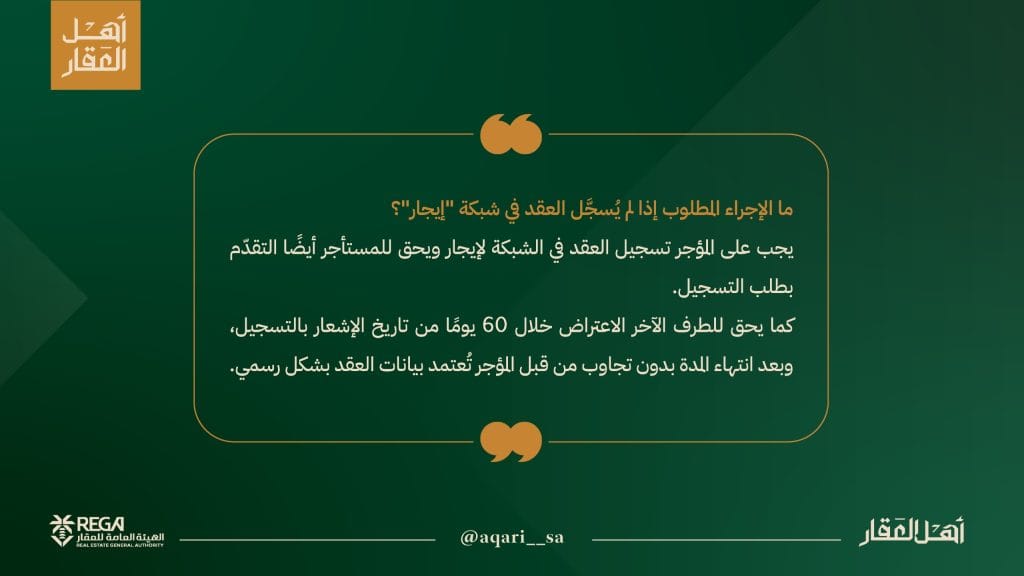
ثالثاً: إجراءات تسجيل العقد في شبكة «إيجار»
يلتزم المؤجر بتسجيل عقد الإيجار في شبكة «إيجار»، كما يحق للمستأجر التقدم بطلب التسجيل في حال عدم قيام المؤجر بذلك. ويُمنح الطرف الآخر مدة تصل إلى 60 يوماً من تاريخ الإشعار للتقدم بالاعتراض، وفي حال عدم الرد خلال هذه المدة تُعتمد بيانات العقد بشكل رسمي.
رابعاً: هل تتجدد العقود الإيجارية تلقائياً؟
تتجدد العقود الإيجارية تلقائياً ما لم يُخطر أحد الطرفين الطرف الآخر بعدم الرغبة في التجديد قبل مدة لا تقل عن 60 يوماً من تاريخ انتهاء العقد. ويُعد هذا الإجراء وسيلة لضمان استمرارية العلاقة التعاقدية وتفادي النزاعات المفاجئة بين المؤجر والمستأجر.
خامساً: حالات الامتناع عن التجديد أو طلب الإخلاء
لا يجوز للمؤجر في مدينة الرياض الامتناع عن التجديد أو مطالبة المستأجر بالإخلاء إلا في حالات محددة، تشمل:
تخلف المستأجر عن السداد.
وجود عيوب هيكلية تؤثر على سلامة العقار أو السكان وفق تقرير معتمد.
رغبة المؤجر أو أحد أقاربه من الدرجة الأولى في الاستخدام الشخصي للعقار السكني.
سادساً: العقوبات على مخالفة الأحكام النظامية
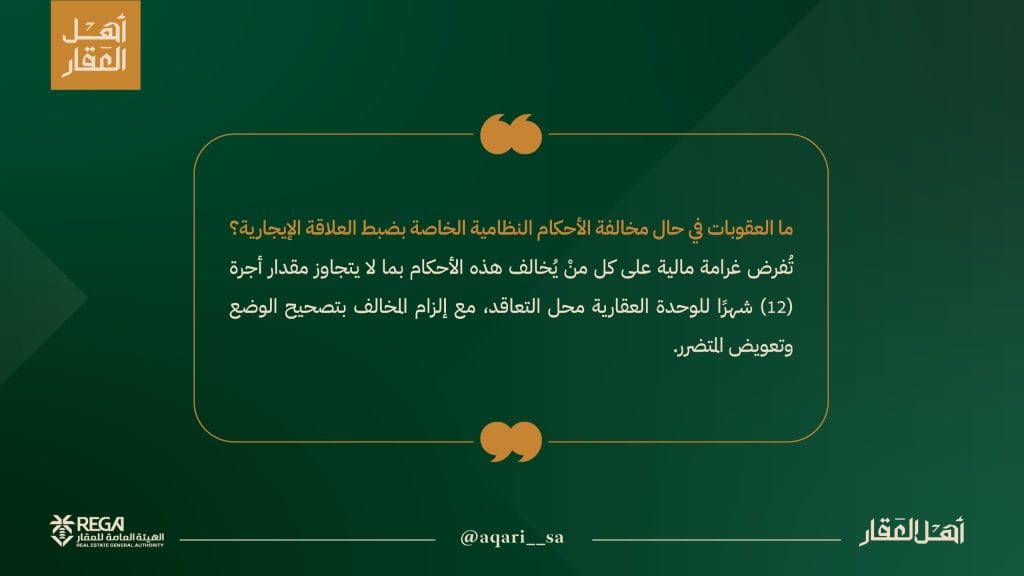
تُفرض غرامة مالية على كل من يخالف الأحكام الخاصة بضبط العلاقة الإيجارية، على ألا تتجاوز قيمة أجرة 12 شهراً للوحدة العقارية محل التعاقد، مع إلزام المخالف بتصحيح الوضع وتعويض المتضرر، بما يعزز الالتزام النظامي ويحد من المخالفات في السوق العقاري.