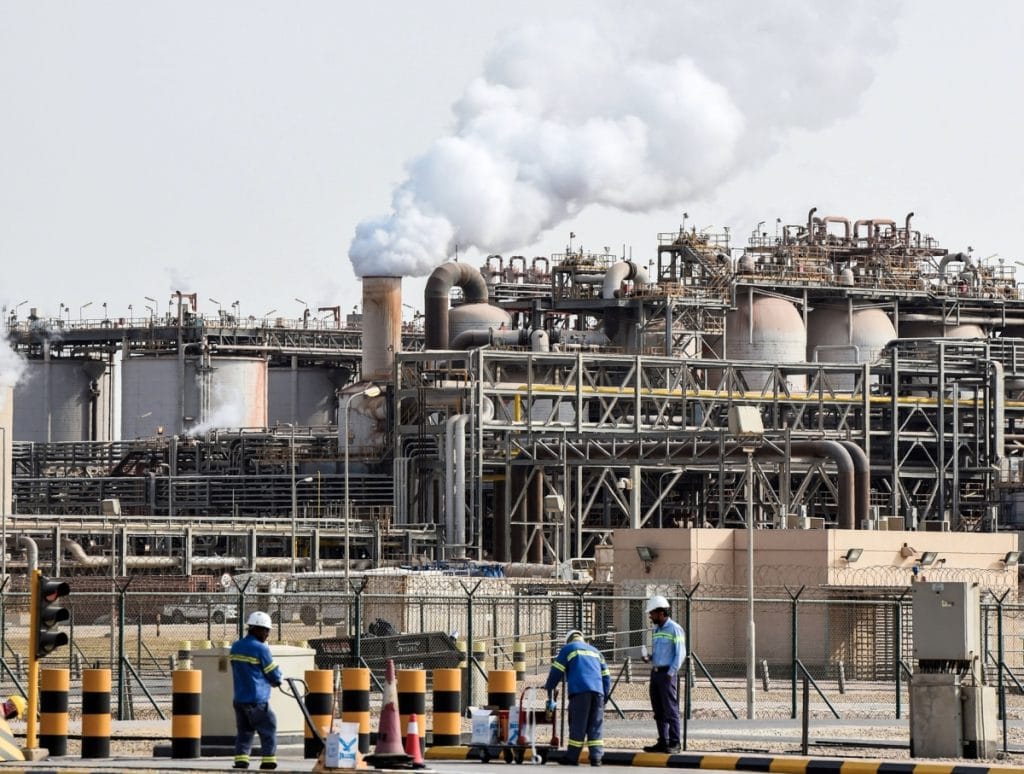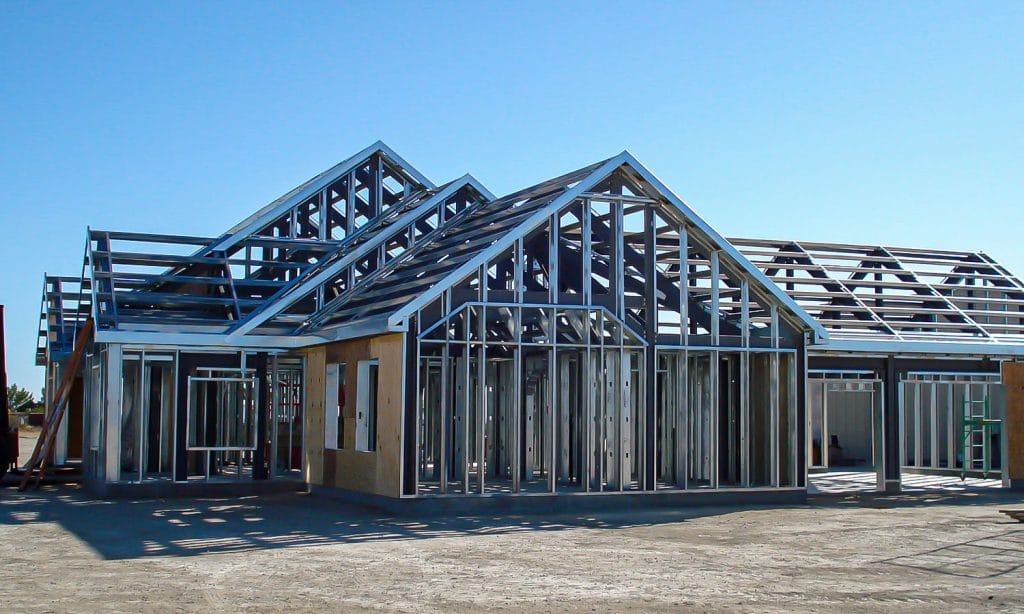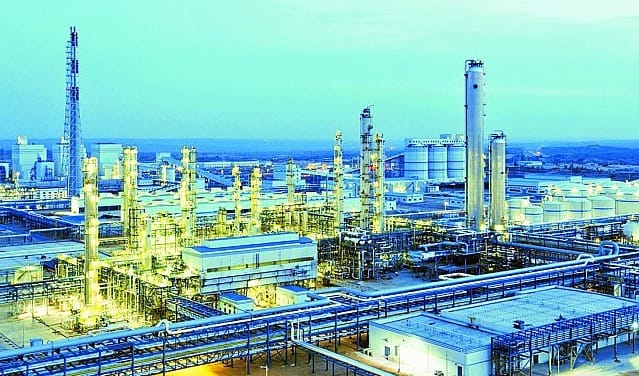

The market for industrial real estate and logistics market in Saudi Arabia is experiencing a phase of growth driven by the expansion of industrial activity, rising demand for strategically located spaces, and shifts in regional trade patterns. In its latest report, JLL notes that these factors support continued market strength in the coming period, with occupancy levels remaining high in the Kingdom’s major industrial hubs.
In its report titled «Dynamics of Industrial Real Estate Market in Saudi Arabia during the Second Quarter of 2026,» that strong investor confidence, the reorganization of trade routes in the region, and continued progress toward the Saudi Vision 2030 goals of diversifying the industrial base, have strengthened the Kingdom’s position as a major logistics hub with a high capacity to meet challenges.
The company added that the expansion of the Kingdom’s industrial facilities base has been reflected in the industrial and logistics real estate market, which maintains high occupancy rates in key markets, along with the growing importance of the Kingdom’s multi-port network, which provides greater flexibility to tenants and helps them mitigate risks associated with regional disruptions.
Expansion of the Industrial Base Boosts Demand for Real Estate
Saud Al-Suleimani, Executive Director and Head of Capital Markets at JLL Saudi Arabia, said that the Kingdom’s logistics sector’s ability to adapt and respond to change, supported by national policies and strategic investments in port infrastructure, has helped strengthen Saudi Arabia’s position as a global trade hub, in line with the objectives of Vision 2030.
Al-Suleimani noted that a range of structural factors continues to support demand for industrial and logistics real estate, foremost among which is the increased capacity of Saudi ports on the Red Sea, which helps foster a more stable and attractive investment environment for growth.
He explained that these factors are driving demand for high-quality logistics space and strategic locations, even amid ongoing macroeconomic uncertainty.
This growth in demand coincides with an expansion in the number of industrial facilities in the Kingdom, which rose during the second quarter of 2026 to approximately 13,660 facilities, compared to approximately 12,290 facilities during the same period of the previous year. JLL believes that this expansion reflects tangible progress toward achieving the Vision 2030 targets, and is creating additional demand for industrial real estate, whether through the renewal of existing leases or the entry of new tenants into the market.
Occupancy Exceeds 90% in Riyadh, Jeddah, and Dammam
Across the Kingdom’s leading industrial markets, Riyadh, Jeddah, and the Greater Dammam metropolitan area maintained occupancy rates exceeding 90% during the second quarter of this year.
According to JLL, the persistence of these high levels reflects strong demand from tenants and reveals a structural imbalance that still exists between supply and demand in these markets.
Strong demand was not limited to occupancy rates; it was also reflected in rental levels, which continued to rise in Riyadh, Jeddah, and Greater Dammam, driven by limited supply of Class A industrial properties amid continued growth in demand.
Jeddah, which serves as the Kingdom’s main western gateway, recorded a 4.8% increase in average rents, while average rents in Riyadh rose by 3.9%. In Dammam, rental growth was the highest among the major markets, with average rents rising by 6.9%. In terms of the highest rental rates, the Al-Bawaba Industrial City complex recorded the highest rate, at 300 Saudi riyals per square meter annually.
JLL believes that the continued rise in rents in these markets reflects strong demand for high-quality industrial real estate at a time when available supply remains limited, which has helped the market maintain its momentum despite geopolitical tensions in the region.
Regional Turmoil Reshapes Shipping Patterns
The second quarter of the year saw a shift in demand patterns for logistics services, with a portion of shipping traffic being redirected toward Saudi ports on the western coast as a result of the turmoil in the region.
The Jeddah Islamic Port and King Abdullah Port in Rabigh emerged as key hubs that benefited from this shift in shipping routes, reinforcing the importance of the Kingdom’s western coast for regional trade.
This coincided with the launch by Mediterranean Shipping Company (MSC) of its new «Middle East Express» service, which provides a direct shipping route from Europe to major commercial hubs on the Red Sea.
JLL believes these developments reflect the growing role Saudi ports are playing in adapting to shifts in global trade. In the short term, the company anticipated that recent disruptions in port operations would lead to continued increases in shipping costs; however, it believes that the long-term implications of these developments may be more positive for the Kingdom, by strengthening its position as a reliable logistics alternative in the region.
West Coast Ports Poised to Maintain Trade Flows
And «JLL» that the ports located on the Kingdom’s west coast are likely to retain a sustainable share of the rerouted trade flows, supporting the continued expansion of their role as a major logistics hub.
The company does not attribute this role solely to current regional developments; rather, it believes that the position of these ports may persist even as geopolitical conditions change in the future, given the capabilities and infrastructure they provide to support trade.
This comes at a time when tenants are seeking greater flexibility in their supply chains and a reduction in operational risks, which adds a new factor supporting demand for industrial and logistics real estate located near transportation hubs and ports.
Industrial Real Estate Market Expected to Remain Strong
Looking ahead, JLL expects the Kingdom’s major industrial markets to maintain high occupancy levels in the short to medium term.
The company noted that new supply entering the market may provide limited relief in some submarkets, but it does not expect a fundamental shift in market dynamics in the near term. According to JLL’s estimates, the market is likely to remain tenant-favorable in the near term, given continued high demand relative to the available supply of high-quality industrial properties in strategic locations.
The picture painted by the report indicates that the expansion of industrial activity, the rise in the number of facilities, strong logistics demand, and the growing role of Saudi ports in trade all collectively serve as factors supporting the continued strength of the Kingdom’s industrial real estate market. JLL is a company listed on the New York Stock Exchange and one of the world’s leading providers of commercial real estate services and investment management, with annual revenue of $26.1 billion and operations in more than 80 countries.