
A recent report by JLL revealed a remarkable shift in the performance landscape the Saudi hospitality sector during the second quarter of 2026, with religious cities rising to the forefront of growth, while business markets faced greater pressures amid continued expansion in hotel supply and changing patterns of tourist demand.
The report "Market Dynamics of Hotels and Hospitality in the Kingdom of Saudi Arabia during the second quarter of 2026" showed that the sector managed to maintain a degree of resilience, despite regional turmoil that cast a shadow over international travel, benefiting from the Hajj and Umrah seasons, continued domestic tourism, and hotel operators" focus on improving revenue and controlling expenses.
Mecca Leads the Recovery
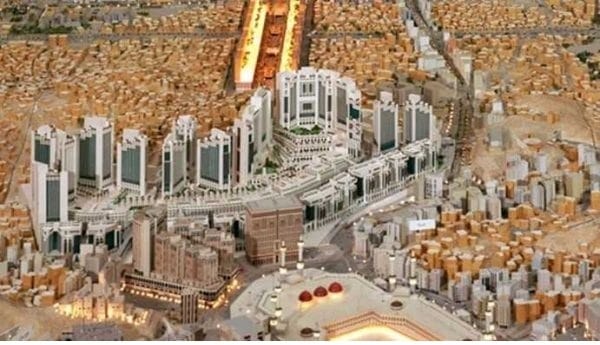
Mecca emerged as the major market that benefited most from strong demand during the period from the beginning of the year through the end of June 2026, with hotel occupancy there rising by 6.3 percentage points compared to the same period last year, reaching 68.2%. The improvement was not limited to occupancy; revenue per available room in Mecca rose by 8.7%, indicating that the market benefited from the influx associated with Hajj and Umrah, despite the challenges facing international travel.
This performance comes as Mecca continued to increase its hotel capacity, with approximately 1,100 new rooms entering the market during the second quarter of the year, reflecting the ongoing expansion of accommodation options in line with demand related to religious tourism.
Medina Maintains Highest Occupancy Rate
Medina, meanwhile, maintained the highest occupancy rate among major Saudi cities, recording 75.1%, driven by sustained demand from Hajj and Umrah pilgrims. Strong demand linked to religious tourism helped mitigate the impact of the decline in average daily room rates, as revenue per available room fell by only 2.4%.
Meanwhile, the hotel market in Madinah saw the addition of approximately 220 rooms during the second quarter of 2026, increasing the range of options available to visitors and strengthening the market’s capacity to absorb demand.
Riyadh Faces a Test of Supply and Demand
In contrast, Riyadh took the opposite trajectory, recording the largest decline among the major markets covered by the report.
The occupancy rate in the capital fell by 16.3 percentage points to 47.6%, while revenue per available room declined by 23.2%.
JLL attributes this performance to a decline in demand from the corporate sector, coupled with growth in hotel supply and increased competition, which has put pressure on prices and occupancy.
Nevertheless, the market continued to add new hotel units, with approximately 490 rooms entering Riyadh’s inventory during the second quarter, reflecting the continued expansion of the capital’s hospitality market even as demand levels shifted.
Jeddah Shows Greater Resilience
As for Jeddah, showed greater resilience compared to Riyadh, as its occupancy rate declined by 1.3 percentage points to 66.4%. Revenue per available room (RevPAR) fell by 7.2%, a decline linked to lower average daily room rates, despite continued strong domestic demand for leisure tourism.
Jeddah, in turn, saw the addition of approximately 180 hotel rooms during the second quarter of the year, continuing the growth in market capacity.
Competition Shifts to Quality of Experience
According to JLL believes that the continued influx of new rooms into major markets will reshape the nature of competition among hotel properties, as room expansion alone will not be sufficient to ensure strong performance.
Hotel operators are expected to increase their focus on asset quality, improving the guest experience, and strengthening brand power, while simultaneously improving cost efficiency and leveraging modern technologies.
This means that competition in the coming period may shift more toward each property’s ability to strike a balance between service quality, operational efficiency, pricing, and the ability to attract different segments of visitors.
Domestic demand provides a solid foundation for the sector
Saud Al-Suleimani, CEO and Head of Capital Markets at JLL Saudi Arabia, said, that the Kingdom’s hospitality sector continues to enjoy long-term structural resilience, supported by domestic visitors and travelers for leisure, Hajj, and Umrah, which provides a stable foundation for occupancy rates. He added that strategic investments in infrastructure and asset diversification, in tandem with progress toward achieving the goals of Saudi Vision 2030, are driving a broad transformation in the hospitality sector, and support the Kingdom’s ability to attract a broader range of international visitors.
Long-Term Optimism Despite Short-Term Decline
Despite the sector’s positive long-term outlook, the report noted that tourism activity in the Kingdom declined by approximately 5% to 7% during the first five months of 2026.
However, JLL maintains a positive outlook on the sector’s future, with expectations that hotel market performance will improve as confidence in international travel recovers and sources of tourism demand continue to diversify.
Second-quarter results reveal a clear divergence in the ability of Saudi markets to weather challenges; while Mecca and Medina benefited from strong demand linked to the Hajj and Umrah, Riyadh faced dual pressures in the form of declining business demand and increased supply, whereas Jeddah maintained greater resilience thanks to domestic demand for leisure tourism.