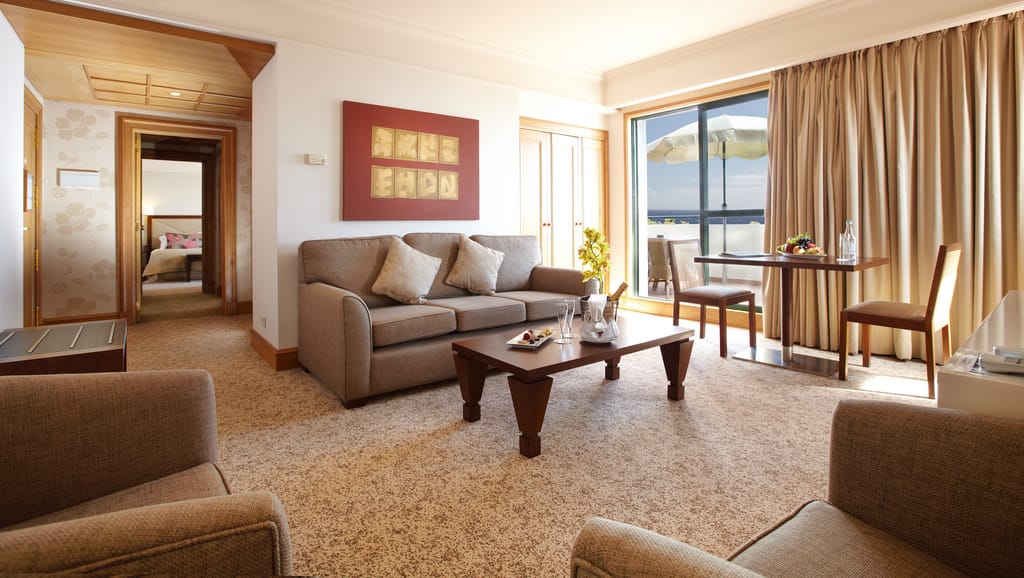

The regulations for the private hospitality unit set the financial compensation for the license at 1100 riyals for a period of one year, and stipulated that the unit’s capacity must be clarified when marketing it, in addition to regulating the licensing and operating requirements and the ongoing obligations of the licensees.
The official gazette, «Umm Al-Qura,» published the regulation, which defined a private hospitality unit as a private and independent real estate unit that provides tourists with overnight accommodation services for a fee, while prohibiting its operation without obtaining a license from the Ministry of Tourism, or after its expiry or cancellation, or during its suspension period, or when one of the licensing conditions is lost.
Licensing requirements
The regulations stipulated that the unit subject to the license application must be within a property designated for residential or agricultural use, or properties with dual residential and commercial use, and that the total number of licenses issued to the licensee in the single shared property must not exceed three licenses, with no valid license on the same electronic title deed or usufruct document.
It also stipulated that the applicant must be a Saudi national or a non-Saudi owner of the real estate unit for which the license application is being made, and must submit an electronic title deed or proof of the right to use the unit throughout the license period, in addition to meeting the licensing criteria and subscribing to the "Shumous" system, and providing a valid contract for maintenance and cleaning services in cases where the number of licenses exceeds three licenses.
After the requirements are met, the Ministry of Tourism will inspect the unit, either on-site or by any other means it deems appropriate, to verify compliance and the accuracy of the information and documents. The license will then be issued upon fulfillment of all regulations and payment of the required fees. Rejection of an application will be based on a reasoned decision. The regulations stipulate that the license is valid for a maximum of one year. The licensee must obtain the Ministry's approval before permanently or temporarily ceasing operations at the unit during the license period and must settle any outstanding obligations accordingly.
The regulations require the licensee to refrain from using the ministry's name or logo in advertisements or marketing activities without prior approval, to be available to the ministry around the clock, and to provide services in accordance with the standards upon which the license was issued. The license must be clearly displayed within the establishment, and an external sign containing the establishment's key information must be installed. The regulations also stipulate that the duration of overnight accommodation provided to a tourist must not exceed 29 consecutive days, and that the total duration of service provided to the same tourist at the same establishment must not exceed 90 days during the license's validity period.
Regarding the quality of service, the regulation obliges the licensee to use data, information and images that correspond to the actual reality of the unit when publishing or advertising it, to ensure its readiness, cleanliness and maintenance before the tourist enters, to inform him of the general guidelines related to the use of the unit and its facilities, and not to refuse to provide the service when there is a confirmed booking document without reasons that are legally acceptable.
Explanation of the capacity
The regulations stressed the need to clarify the capacity of the private hospitality unit when marketing it, and to emphasize to the tourist the need to adhere to it, in addition to announcing the prices of additional services, if any, in both Arabic and English, including the standard fees and taxes.
Regarding booking and payment, the regulations stipulate that the service be provided according to the booking document, and that bookings be made only through the travel and tourism service provider, with direct updates to the unit's status to prevent duplicate bookings, and that the tourist not be asked for or any amounts received from him except through the travel and tourism service provider, and that he be enabled to check in and out at the times specified in the booking document.
Tourist privacy and data
The licensee is also obligated to maintain the confidentiality and privacy of the tourist’s data, and not to force him to leave the unit after he has checked in except through the security authorities and in accordance with the regulations, and not to open the unit after he has checked in except with the tourist’s permission or with the approval of the security authorities, while immediately informing the competent authorities and the Ministry of Tourism of any incident related to the security or safety of the tourist or the unit.
Private hospitality units are subject to inspection in accordance with the Tourism System and its regulations and the decisions and instructions issued by the Ministry, while penalties are applied to violations in accordance with the schedule of violations and penalties referred to in the Tourism System.
The regulations allow the ministry to use specialized technical bodies and companies, and linkage services with government agencies and the private sector to verify the accuracy of data, in addition to benefiting from information technology solutions, including artificial intelligence, the Internet of Things, cloud computing and process automation.