The real estate sector in the Gulf Cooperation Council (GCC) countries has witnessed remarkable growth in recent years, maintaining resilience and responsiveness despite recent global fluctuations in oil prices. In the United Arab Emirates, the real estate sector is expected to continue growing at a compound annual growth rate of 6.4 percent between 2015 and 2019. While the regional market has recorded strong and positive performance recently, the commercial tools adopted in this market have not seen any notable developments that would enable them to keep pace with the technical and technological advancements taking place in global markets.
Digital transformation improves operational efficiency and increases market value
According to a recent report titled “Redefining Real Estate Market Metrics: The Impact of Technology on the Sector’s Future,” published by “Orient Planet Research,” an independent unit within the ”Orient Planet Group,” the digital wave sweeping the world has also impacted the regional real estate sector, as clearly evidenced by the sector’s ambitious trends to keep pace with the digital transformation, with the aim of improving operational efficiency and increasing market value to meet the requirements of growth and progress.
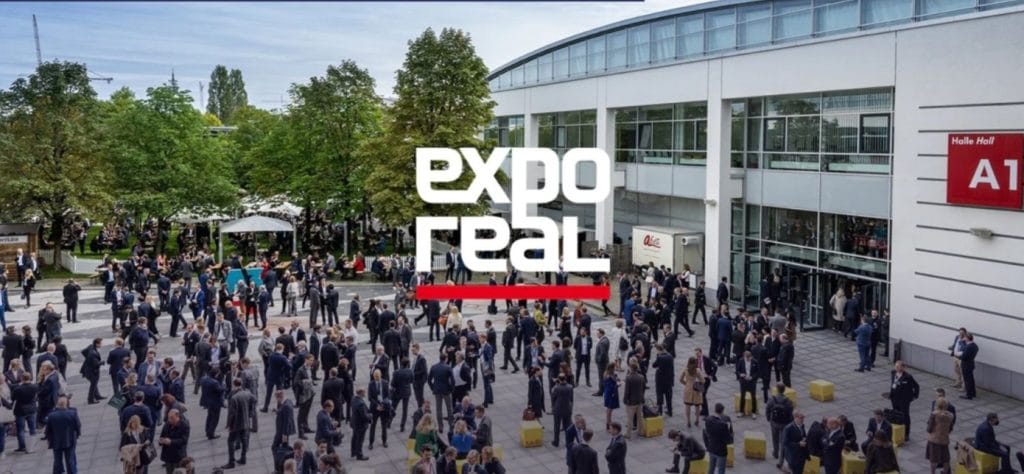
The report “Redefining Real Estate Market Metrics: The Impact of Technology on the Future of the Real Estate Sector” coincided with the “Cityscape Global – Dubai” exhibition and conference, which took place over three days from September 6 to 8 at the Dubai World Trade Centre. Nahla Naam, Director of Research and Innovation at “Orient Planet Research,” actively participated in the event to present the report’s key findings and studies.
Digital technology enhances customer satisfaction
Commenting on the report, Naam said: “The traditional systems we used to rely on have become less effective these days amid the rapid technological advancements the market is witnessing. That is why we see many real estate companies taking decisive steps toward digital transformation by adopting modern digital tools to boost their competitiveness and increase efficiency, effectiveness, and productivity—and, most importantly, to enhance customer satisfaction. There is no doubt that this qualitative leap is of paramount importance, especially for organizations seeking to grow and advance in line with the technological changes the world as a whole is witnessing. These emerging trends also complement the digital and smart transformation led by the Arab Gulf states, including the UAE, which provides a conducive environment for organizations in the region to strengthen their competitive position on the global stage and maintain their prestigious market reputation.”
Technology supports brokerage and leasing operations
The report reviews a range of “innovative technologies” that are set to radically transform the real estate sector over the next decade, and discusses the importance of the regional real estate sector being flexible and dynamic to embrace these growing technological innovations. The report highlights social media and, specifically, technological trends that support the automation of brokerage and leasing operations, which also help break down the barriers between potential tenants and property owners. The report also devotes an entire chapter to the role of drones, artificial intelligence, the Internet of Things, virtual reality, augmented reality, 3D printing, and distributed databases “blockchain” in reshaping the experience of real estate brokers and investors.
Augmented reality applications via smartphones
For example, “augmented reality” technology aims to transform the user experience in the visual spectrum. The report notes that “augmented reality” technology has gained significant popularity in real estate marketing in recent years, attributing this to several key factors, the most important of which is enhancing the user experience through visual interaction. This technology also allows for the creation of a 3D model of the property, enabling the user to examine the space in full detail and from all angles that a camera cannot capture.
Given the easy access to augmented reality apps via smartphones, the report confirms that these apps have become the most convenient way to reach potential buyers and view all information and details about properties listed for sale.
Drones for collecting real estate data
On the other hand, drones have eliminated the need to take photos of properties manually, as real estate companies can now perform this task using helicopters and aircraft equipped with high-end cameras to capture aerial photos of properties. According to a report by “Orient Planet Research,” the use of drones is not limited to sales purposes alone, but also to collecting vast amounts of data on real estate and large tracts of land, so that real estate companies can make optimal use of this data to calculate insurance and property prices by studying potential risk factors such as floods and landslides.
Smart cities provide a strong impetus for development
Naam added: “The growing prevalence of the smart cities concept in the Gulf Cooperation Council (GCC) countries provides a strong impetus for introducing more of these important technological developments, and although the region’s relentless efforts to adopt these technologies are accelerating, there is still much work to be done to maximize their benefits, Based on the ambitious visions adopted by the region’s countries to achieve a technology-driven future and realize the smart cities agenda, this report is launched to introduce a new concept aimed at motivating real estate service providers in the region to adopt these advanced technologies—some of which are still unfamiliar in the region—in a move to enhance the customer experience and improve satisfaction with the services provided. We are honored to be the first company in the region to present a comprehensive study on the impact of technological innovations on the real estate market and their role in increasing return on investment in the real estate sector.”