
.
Jihad bin Abdulaziz Al-Rasheed, chairman of the committee, said that there are six companies that applied for export before setting the price of the energy difference, which came so high that they will not be able to complete their exports even to neighboring countries in the Arabian Gulf, and the head of the committee indicated that local cement prices are witnessing a significant decline in the current period, due to inventory pressure and low demand rates.
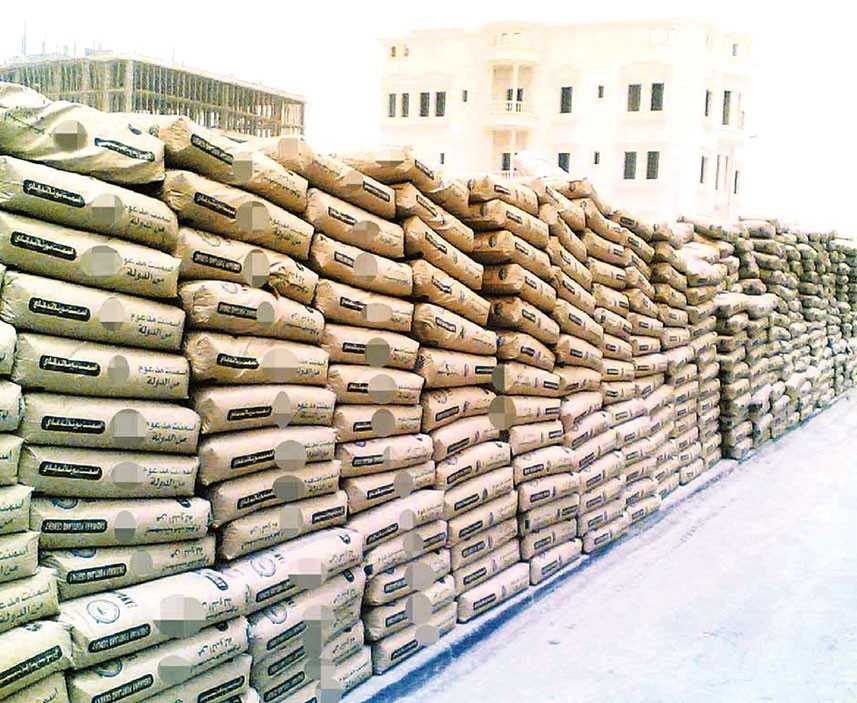
It is reported that the stock of clinker is very high, exceeding 30 million tons stacked in light of the decline in the pace of projects and thus the imbalance of local demand with supply, and for their part, producers hope that there will be a review of these fees and set an appropriate price that allows the Saudi cement industry, whose companies have worked to expand their factories to compete in foreign markets.
After applying all the basic inputs in calculating the export fees for cement and iron factories, the results showed that the approximate export fees for cement product range between (85-133) riyals per ton, while the approximate value for iron product ranges between (58-390) riyals per ton: 18.0pt; color: #55555555;">.
For its part, the Ministry of Commerce stated that the iron and cement industry in the Kingdom is considered one of the industries that consume large amounts of energy during manufacturing processes, as well as the size of the annual government subsidy for factories by providing fuel at subsidized prices compared to international prices, as the government support for iron factories is estimated at about 2.1 billion annually, while the government support for cement factories amounts to 7.7 billion annually. The number of cement factories in the Kingdom is 17, while the number of iron factories is seven.