
“Industrial Committee” lays out its proposals to develop industrial investment in front of the Undersecretary of Commerce“

Posted in

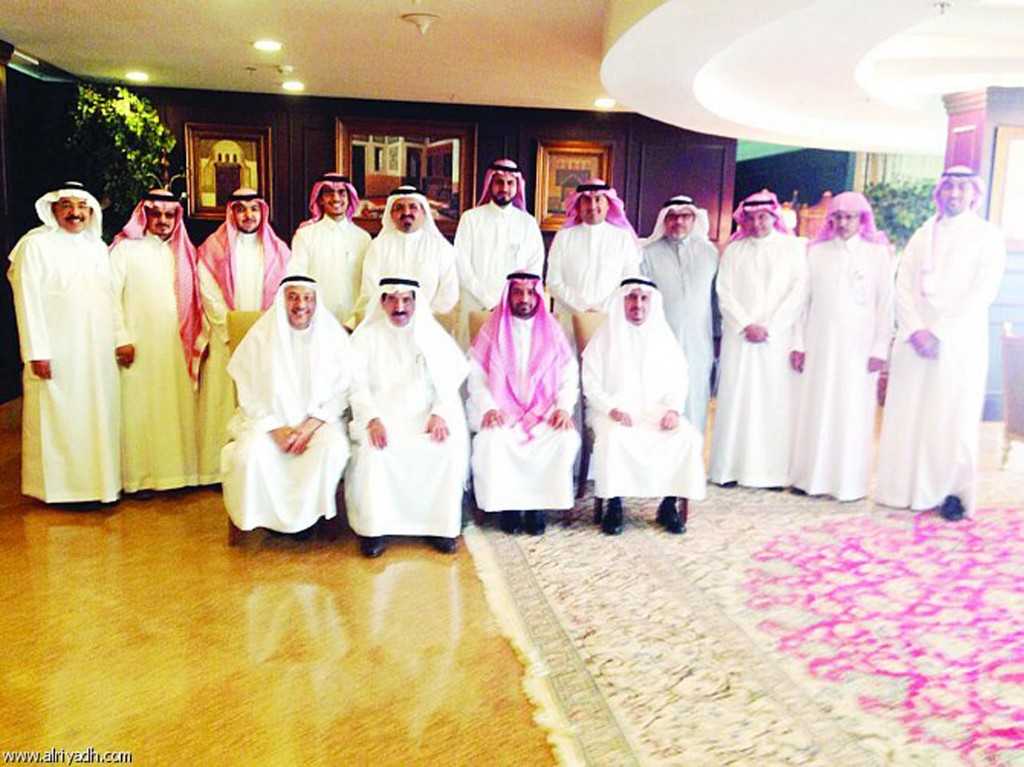
The National Industrial Committee of the Council of Saudi Chambers identified the challenges and difficulties facing the manufacturing industries and small and medium-sized enterprises, which have become a major impact on the industrial and economic sectors. This came in the meeting held by the committee in the presence of the Undersecretary of the Ministry of Commerce and Industry for Industrial Affairs, Engineer Saleh bin Shabab Al-Sulami, and Engineer Ahmed bin Abdulaziz Al-Haqbani, Chairman of the Saudi Export Development Authority, to put its questions and difficulties facing the industry on the table for discussion before the people of the solution and contract.

National Industrial Committee of the Council of Saudi Chambers

Difficulties and challenges

About the difficulties facing the sector, Engineer Mohammed Al-Juaid, a member of the Industrial Committee at the Riyadh Chamber of Commerce and Industry, pointed out some of the dilemmas that industrial investors face with some authorities when exporting, including: Petroleum products face a long process of procedures for export, and it is hoped that the Ministry will have a role in facilitating these procedures. Engineer Faisal Al-Quraishi, Chairman of the Industrial Committee of the Eastern Chamber, pointed to the importance of implementing the decision to give preference to national products in contracts concluded by state agencies to implement their projects, and Ahmed Al-Sheikha, member of the Industrial Committee of the Jeddah Chamber, pointed to some issues in customs exemptions for equipment and devices.

.

Demands to improve industrial investment

<Members of the National Industrial Committee reviewed the most important demands that they have been calling for because of their importance to the industrial sector and industrialists, namely the establishment of a national natural gas network and linking it to industrial cities, linking industrial cities to the internal railway network to be established in the Kingdom, real representation of industrialists in the board of directors of the Cities Authority, reconstituting the boards of directors of cities as before or developing them, clarity in the vision to charge rents on industrial lands and fines imposed on industrial investors by the Authority, in addition to the importance of establishing a higher authority for industry similar to the Royal Commission for the Kingdom of Saudi Arabia.

Industry Solutions

<Dr. Abdulrahman Al-Obeid, a member of the Industrial Committee at the Riyadh Chamber of Commerce and Industry, summarized the solutions that can cross the industrial sector such as: Fair pricing to feed inventory from large companies to small and medium companies, creating a database of chemicals produced and consumed, encouraging the establishment of small and medium companies through incentives, encouraging large companies to equip logistics facilities, setting railway tariffs at competitive prices for remote areas, improving customs procedures and reducing the time required to complete export procedures to give greater competitiveness to the exported national product, giving the necessary licenses for industrial projects by recruiting the necessary labor and not requiring the final industrial license, which gives flexibility during the construction of the factory Al-Obeid called for the need to activate the industrial strategy. Abdullah Al-Sanea, Vice Chairman of the Industrial Committee at the Eastern Chamber, proposed the establishment of an industrial integration center in the ministry to provide information and provide services

Emphasis on the national strategy for industry

For his part, the Undersecretary of the Ministry of Commerce and Industry for Industry Affairs, Engineer Saleh Al-Sulami, stressed in the meeting that the ministry is currently working on the mechanism of activating and simplifying the national strategy for industry based on its belief that industry is the main engine of the national economy, and that efforts are being made to enhance the service aspect of the industrial sector, adding that there are ongoing understandings and discussions with the Ministry of Labor regarding localization rates in the field of manufacturing industries.