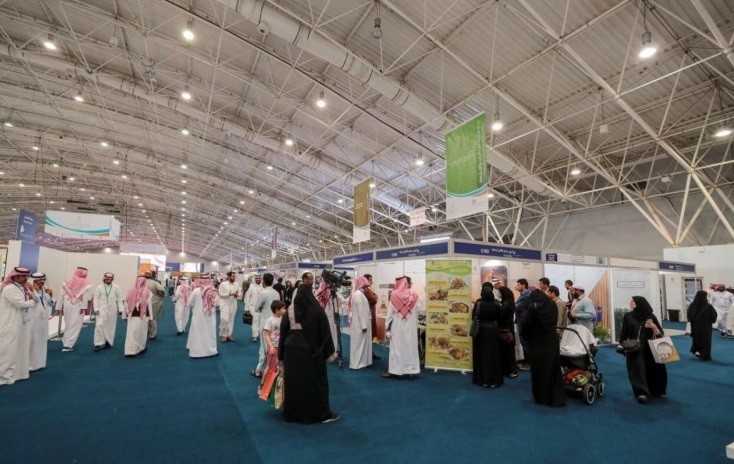

This year’s Saudi Travel and Tourism Investment Forum, organized by the General Authority for Tourism and Antiquities from March 29 to April 3, was distinguished by an intensive academic program that included specialized morning conferences and events held separately from the exhibition, where 12 sessions and a scientific forum were held in the Buraydah Hall at the InterContinental Hotel in Riyadh, while the Riyadh International Exhibition Center hosted the Saudi Travel and Tourism Investment Forum, as well as scientific and training lectures and workshops.
26 lectures and workshops
Through the various events, 26 scientific and training lectures and workshops were organized on the sidelines of the exhibition, during which the different experiences of the countries and entities represented in the fields of travel, tourism investment, and hospitality were presented. The workshops addressed the use of modern technologies to developtourism services and their surrounding environments. The workshops also addressed the need to utilize modern media and social media platforms to increase sales and engage with customers.
The events will conclude tomorrow, Friday, with a workshop on social media in tourism and another workshop on the experiences of managing local online booking platforms in the Kingdom.
The workshops aimed to present new investment opportunities in tourism development, encourage and stimulate new investment initiatives, and highlight the Kingdom’s wealth of resources and diverse investment opportunities in the tourism sector.
The events covered: tourism investment and financing, business tourism, antiquities and museums, investment in architectural heritage, investment in the tourism entertainment industry in the Kingdom, national tourism human resources, and specialized tourism accommodation.
460,000 tourism jobs
During the session “National Tourism Resources: Challenges and Aspirations” as part of the forum’s activities, Dr. Abdulkarim Al-Najidi, Deputy Executive Director of the Human Resources Development Fund, affirmed the Fund’s commitment to localizing jobs in the tourism sector. He noted that the sector currently provides approximately 1,17,000 direct and indirect jobs, and that demand over the next five years will reach 460,000 direct and indirect jobs. This is in line with the executive strategy of the Job Localization Program, which aims to provide the skills and talent needed to create distinctive jobs in this sector.
Attracting Global Operators
Dr. Mohammed Al-Majid, Chief Operating Officer of the Colleges of Excellence affiliated with the General Organization for Technical and Vocational Training, explained that the tourism and hospitality sector in the Kingdom suffers from a shortage of national personnel in this sector, noting that to address this, efforts have been made to attract international operators and provide them with opportunities to engage directly with the job market, as well as to develop appropriate programs. Existing colleges have also been improved by aligning technical and vocational training outcomes to meet international standards.
He noted that they have a plan for 2018 to reach 250,000 training seats in tourism, explaining that regarding support for the tourism and hospitality sector, the College of Tourism and Hospitality was opened as a technical college, followed by the launch of the Colleges of Excellence system in Riyadh. He also announced the Ministry of Finance’s approval to establish three new colleges for tourism and hospitality, with projects set to be completed in four years in Najran, Khamis Mushait, and Al-Ahsa.
Makkah Folk Dances and Hijazi Chants
The Tourism Development Council of the Makkah Region participated with a booth that caught the attention of visitors and won their approval, foremost among them Egyptian Minister of Tourism and Antiquities Zahi Hawass, who toured the booth and received a detailed explanation from the Director General of the General Authority for Tourism andAntiquities in the Makkah Region, Mr. Mohammed Abdullah Al-Omari. This year’s participation focused on connecting the past with the present through the Makkah Quarter and tourist accommodation options, including five-star hotels and real estate developers. It also featured the participation of productive families, and the pavilion included many Makkan-themed activities such as the mizmar game and others. and visitors greatly enjoyed the Hijazi folk songs that filled the atmosphere with joy, performed by Wahib Basmad, around whom visitors gathered. The hospitality included Zamzam water, which is considered one of the most prominent symbols of Makkah.