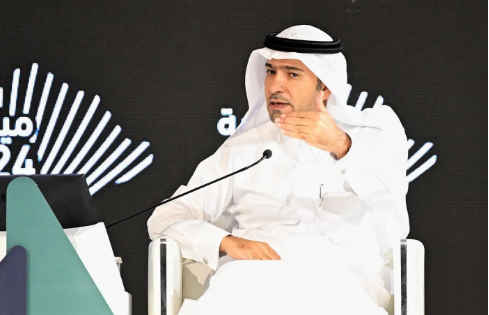

His Excellency the Minister of Municipal, Rural, and Housing Affairs, Mr. Majid bin Abdullah Al-Hogail, that the total number of active commercial licenses in the retail sector from 2019 through the end of last year, 2023, reached more than 400,000 commercial licenses, as efforts to stimulate the sector resulted in the issuance of at least 70,000 licenses annually, recording steady growth of approximately 6%, He emphasized that work is ongoing to ensure the quality of services provided to beneficiaries and consumers, while maintaining health and safety, as well as improving the urban landscape in cities.
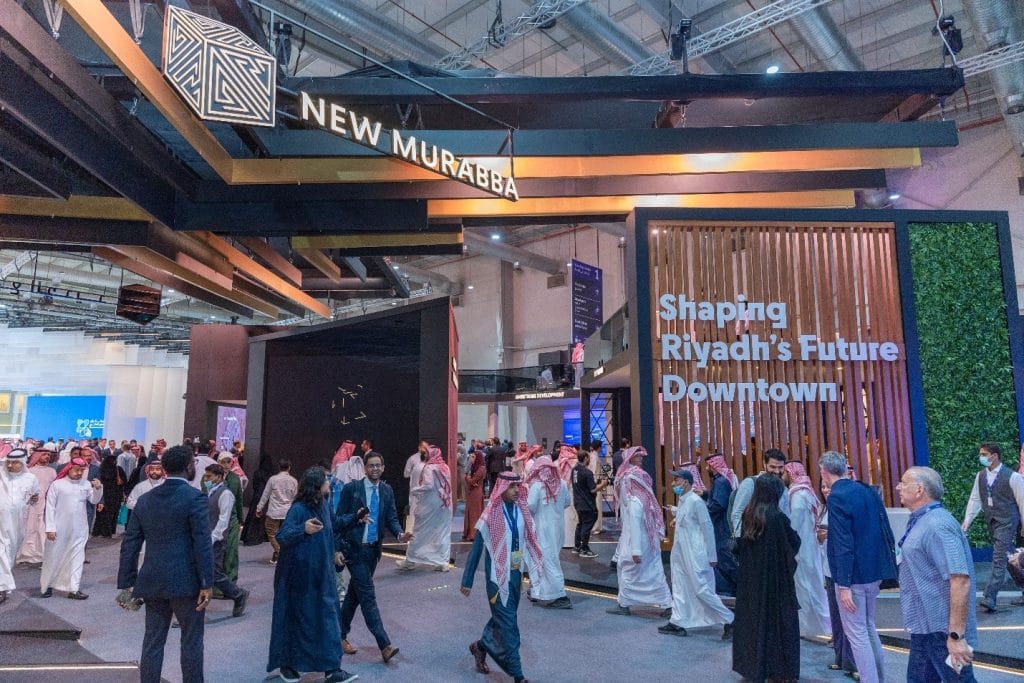
This came during His Excellency’s participation in the 10th edition of the Middle East and North Africa Retail Leaders Summit, hosted by the Kingdom, to examine and discuss all factors contributing to the development and advancement of the retail sector, which will positively impact the level of services reaching the end consumer.
The retail sector is a key driver of the economy
He noted that the retail sector is of paramount importance as it is a key driver of the economy and gross domestic product for all countries, given the expansion of markets and the growing number of companies operating in the sector, and the diversity of access channels and business models—both traditional and digital—which enhances competition and contributes to sustainable economic development, in addition to its roles in providing employment and investment opportunities for all businesses, including small and medium-sized enterprises.
His Excellency noted that the retail sector contributes 23% to the Kingdom’s non-oil gross domestic product, while average occupancy rates in the retail sector in Riyadh and Jeddah reached 88% during 2023, and the sector is expected to grow to more than 460 billion riyals by the end of this year.
Legislation Supporting the Retail Sector
He emphasized that the Kingdom has worked to enact numerous pieces of legislation supporting the retail sector to regulate its operations and ensure its sustainability and effectiveness, in addition to creating solutions, services, and incentives to attract investors and remove obstacles facing them,” noting that the Ministry of Municipal, Rural Affairs, and Housing is closely linked to this sector through several elements, including infrastructure, real estate, and urban planning.
He said: “We have taken significant steps toward the sector’s growth and development by enacting and introducing the necessary legislation, regulations, and requirements in collaboration and partnership with the private sector—including investors and entrepreneurs in various fields. and we have held numerous meetings and workshops with chambers of commerce in all regions, with the aim of raising the standards for conducting commercial and investment activities, updating licensing and oversight regulations, and promoting the principle of transparency in legislation and procedures.”
Al-Haqil noted that efforts are continuing, in cooperation with relevant authorities, to build capacity and develop skills in line with current labor market needs, as well as anticipating future requirements to empower the local workforce in the retail sector, alongside encouraging private-sector establishments to increase the attractiveness of jobs, improve work models, and provide incentives and an attractive environment for Saudis to work.
It is worth noting that the Municipality and Housing Authority is working to redesign cities in a way that enhances their development and the well-being of their residents, by prioritizing green spaces, environmentally friendly transportation, and infrastructure, in addition to comprehensive residential development projects.