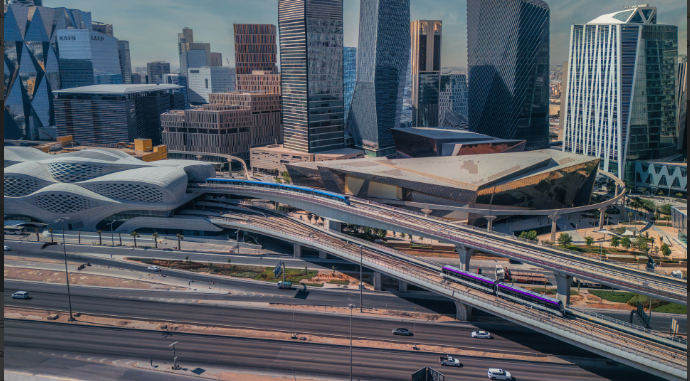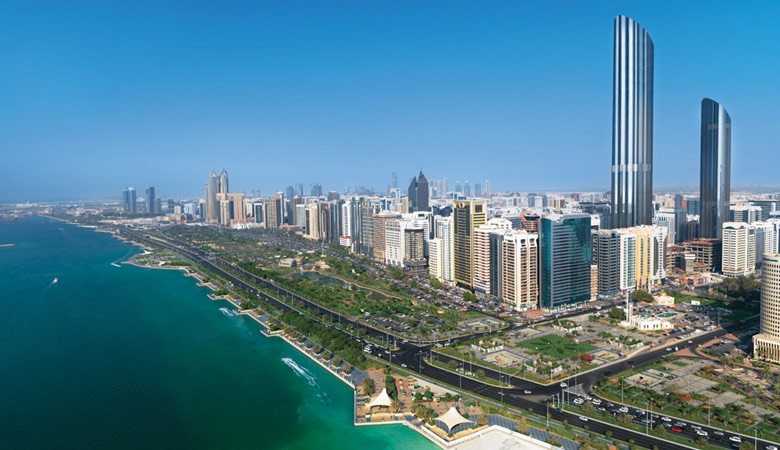

A number of real estate experts and researchers specialized in the economic and real estate fields have confirmed that the Gulf countries will witness a major construction boom over the next few years, driven by increasing population growth, the influx of expatriate workers, and the rise in tourism.
Population and Investment A recent report stated that «the population of the Gulf countries is increasing at a CAGR of 2.5 percent and is expected to continue through 2018, reaching 57 million people.» »Strong population growth is driving demand for residential, commercial, retail, hospitality, healthcare, leisure, entertainment and infrastructure real estate in the GCC,« the report by research firm Alpen Capital said.
Real estate investors and economists have stated that the volume of real estate projects that will be witnessed in the Gulf countries over the next few years is estimated at billions of dollars to keep pace with the increase in population and the growing rise in tourism.
Building and construction conditions "Recent studies on the conditions of the construction sector in the Gulf countries are optimistic, especially as they talk about significant economic growth over the next few years," said a real estate investor. " "There are expectations of a major boom in the construction market in Qatar, Saudi Arabia and the UAE in the next few years as a result of the economic recovery, the liberalized investment climate, the implementation of advanced real estate regulation laws, and the boom in infrastructure projects planned under the country's strategic vision for 2021."
Tourism in the Kingdom
In Saudi Arabia, a surge in religious tourism is increasing government spending on the hotel, shopping and infrastructure sectors, leading to an increase in construction activity in these sectors in the near future.
"Gulf countries are investing billions of dollars in developing airports, public transportation networks, retail, hotel and entertainment sectors to accommodate the growing tourist traffic as well as expatriate labor," investors said.
They pointed out that there are several challenges facing the construction sector in the Gulf, including "the availability of skilled labor, the shortage of raw materials used in construction work, and the high intensity of competition in this sector, which may reduce the profit margins of contracting companies," noting that successful real estate companies are aware of these challenges and have begun to focus on attracting and supporting skilled labor and providing construction materials on a permanent basis so that projects are not delayed and delivered on time.
They noted that successful real estate companies are aware of these challenges and have begun focusing on attracting and supporting skilled labor and providing construction materials on a permanent basis so that projects are not delayed and are delivered on time.
Rising real estate construction
The Gulf region is expected to see a rise in real estate construction of up to 60% over the next seven years, according to a study by Trigranet, a real estate management company.
<span style="p3
Vidar Real Estate Consultants conducted a research study predicting that 60,000 new residential units will be completed in Dubai over the next five years.
"Dubai is set to see massive hotel and residential developments in new urban areas to serve the Expo, which will be held in a currently uninhabited urban area," said Jesse Downs, CEO of Vidar Real Estate Consultants. For her part, economist Samina Ahmed said that a recent study reported that the construction industry in Oman is witnessing strong growth and an increase in infrastructure projects planned by the government, in addition to the establishment of many hotel projects and the construction of private and commercial residential buildings to accommodate the increase in population and tourism.