
Thermal and waterproofing of rooftops is one of the key aspects that contribute to enhancing energy efficiency, preserving building structures, and providing a comfortable environment for residents. Effective insulation is one of the critical elements that help reduce energy consumption and maintain stable indoor temperatures. In this article, we will review the importance of thermal and waterproofing rooftops, the types of insulation available, and their economic and environmental benefits.
Rooftop thermal and waterproofing is a wise investment with multiple benefits ranging from reducing energy costs, improving indoor comfort, and increasing the life of the building. With ongoing technological advancements in insulation materials and technologies, homeowners and real estate developers can improve the efficiency and effectiveness of insulation, enhancing the sustainability of buildings and delivering long-term economic and environmental benefits. With today's environmental challenges, thermal and waterproofing is an essential step towards building a more sustainable and healthy future.
Types of insulation
1- Thermal insulation
Insulation panels: Made of materials such as polystyrene and polyurethane, they are characterized by their high insulation capacity.
Loose fill insulation: Made of materials such as fiberglass or cellulose, it is blown or sprayed into the spaces between walls and roofs.
Reflective insulation: Uses foil to reflect heat away from the building, reducing heat transfer.
2- Waterproofing
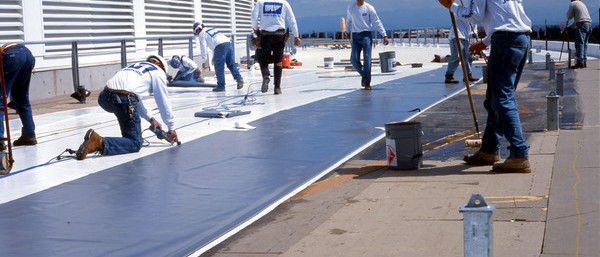
Membrane insulation: Made of materials such as polyethylene or polypropylene, they are used to cover surfaces and prevent water infiltration.
Insulating coatings: A special coating is applied to surfaces to provide an effective water barrier.
Waterproofing Panels: Panels made of water-resistant materials such as bituminous panels are used.
Waterproofing panels.
The importance of thermal insulation
Reduce energy consumption
thermal insulation is essential for minimizing energy consumption in homes. Effective insulation helps maintain a stable temperature inside the home, reducing the need to use air conditioning and heating intensively. Studies show that good insulation can reduce energy consumption by up to 30%, contributing to lower electricity and heating bills.
Improving thermal comfort
Thermal insulation helps provide a comfortable indoor environment throughout the year. In the summer, insulation prevents excess heat from entering the interior of the home, keeping it cooler. In winter, insulation retains internal heat, providing continuous warmth without the need to run heating appliances continuously.
In winter, insulation retains internal heat, providing continuous warmth without the need to run heating appliances continuously.
Protecting the building structure
Thermal insulation also contributes to protecting the building structure from extreme weather changes. Insulation minimizes the expansion and contraction caused by temperature changes, protecting roofs and walls from cracks and damage in the long run.
The importance of waterproofing
Waterproofing
Waterproofing is the perfect solution to prevent water from seeping into the interior of a building, protecting roofs and walls from damage. Water infiltration can lead to corrosion of structural materials, the appearance of mold, and moisture, causing serious damage to the building and the health of the residents.
Waterproofing is the best solution to prevent water from seeping into the building, protecting the roofs and walls from damage.
Increase the life of the building
Waterproofing contributes to increasing the life of a building by protecting structural materials from damage caused by moisture and water. Insulation helps maintain the strength and rigidity of the building, minimizing the need for periodic repairs and costly maintenance.
Improve indoor air quality
Waterproofing helps maintain indoor air quality by preventing the formation of mold and moisture. Excess moisture can lead to health issues such as allergies and respiratory illnesses, so waterproofing helps provide a healthy environment for residents.
Economic benefits
Cost savings: Effective insulation reduces energy and maintenance costs, saving significant money in the long run.
Effective insulation reduces energy and maintenance costs, saving significant money in the long run.
Increase property value: Good insulation can increase the value of a property when selling or renting, as buyers and tenants prefer buildings with high energy efficiency.
Environmental benefits
Reduce carbon emissions: By reducing energy consumption, insulation contributes to the reduction of greenhouse gas emissions, helping to combat climate change.
Resource conservation.
Conserving resources: Insulation reduces the need to use natural resources to generate energy, contributing to the preservation of the environment.