
تشهد صناعة البناء تحولات كبيرة مع تبني تقنيات البناء المسبق التي تعتمد على تصنيع مكونات المباني في بيئات محكومة ثم نقلها وتجميعها في مواقع البناء. تساهم هذه التقنيات في تسريع عملية البناء، تقليل التكاليف، وتحسين جودة البناء. في هذا التقرير، سنستعرض كيفية استخدام تقنيات البناء المسبق في تسريع عملية البناء، أمثلة على مشاريع ناجحة، وحجم سوق هذه التقنيات.
ما هو البناء المسبق؟
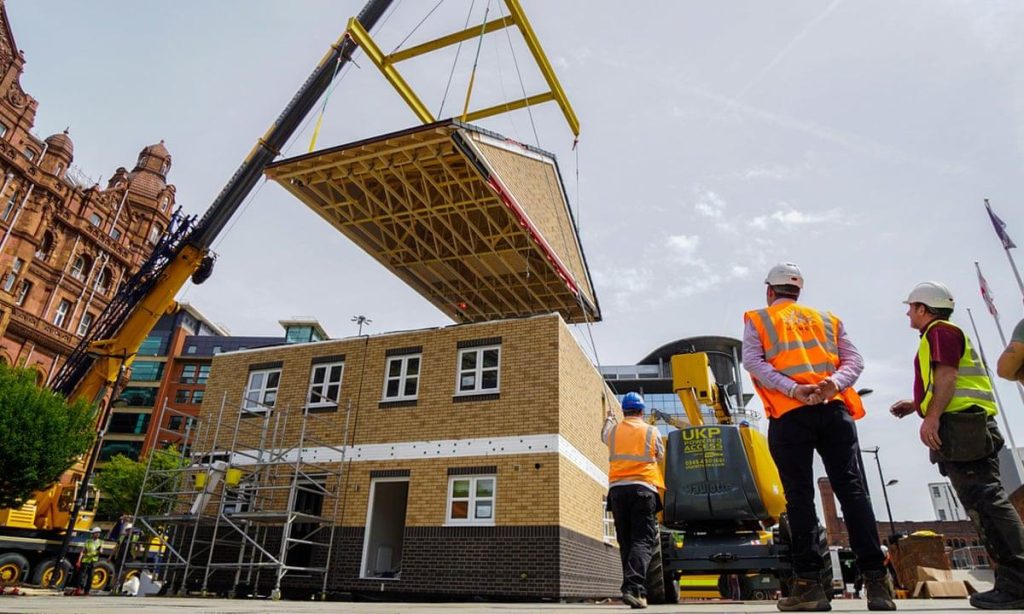
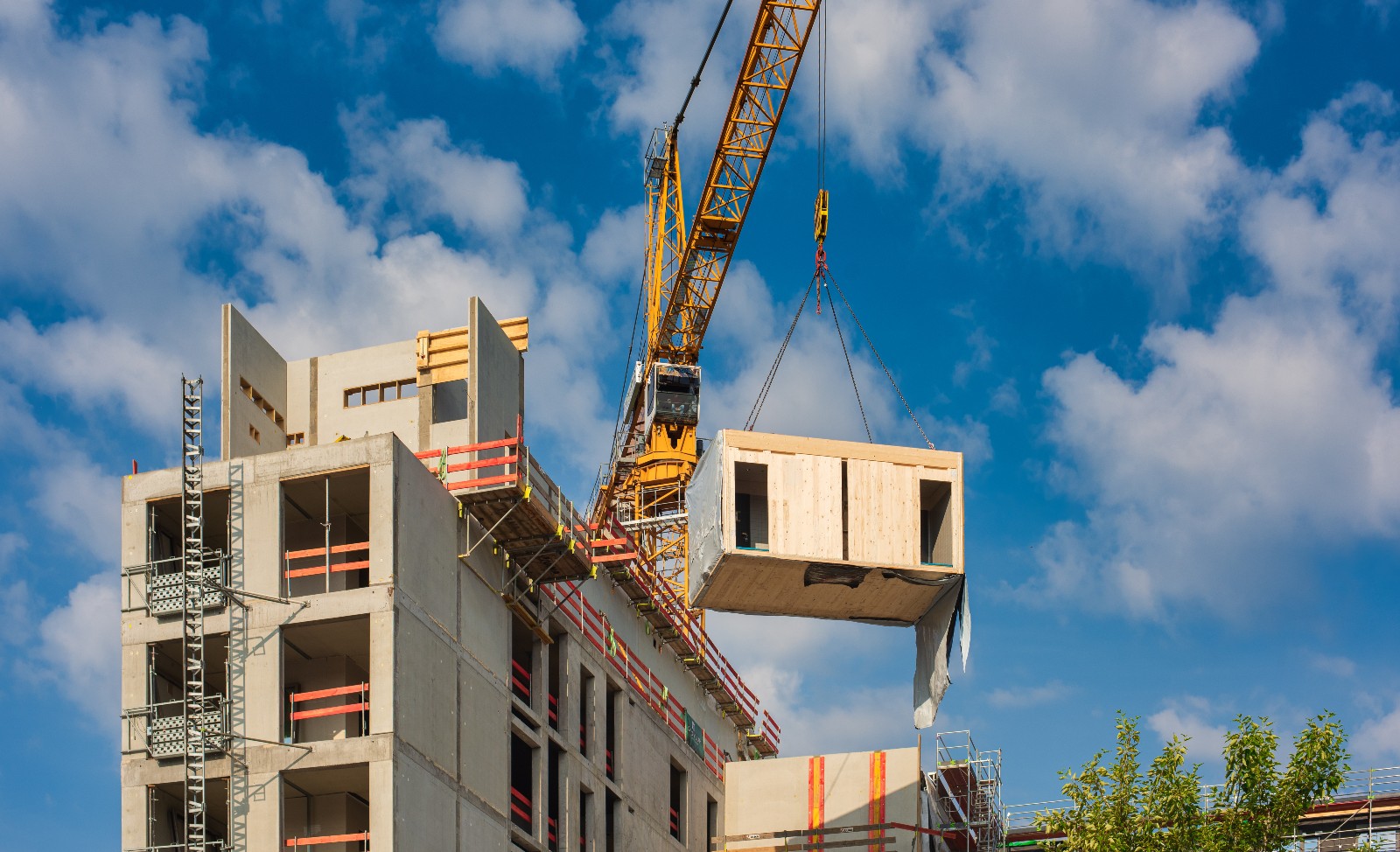
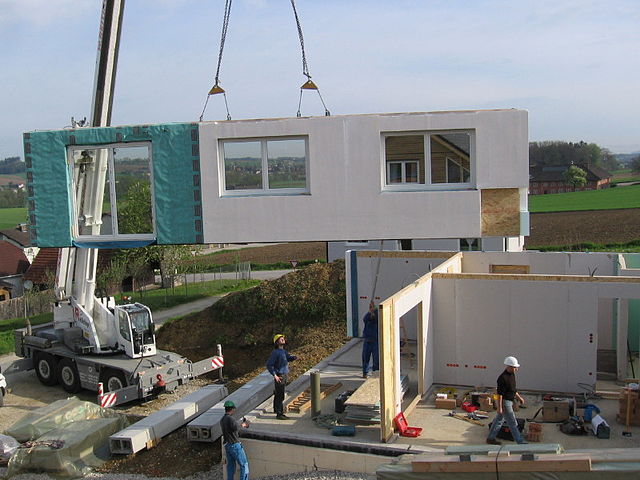
البناء المسبق هو عملية تصنيع أجزاء كبيرة من المباني (مثل الجدران، الأرضيات، والأسقف) في مصانع خاصة، ثم نقلها وتجميعها في موقع البناء النهائي. هذه العملية تتيح تحكمًا أكبر في جودة المكونات وتقلل من الوقت المستغرق في البناء مقارنة بالطرق التقليدية.
فوائد البناء المسبق
تسريع عملية البناء: التصنيع المسبق للمكونات في المصنع يتم بالتوازي مع الأعمال التمهيدية في موقع البناء، مما يقلل من مدة المشروع بشكل كبير.
جودة أعلى: التصنيع في بيئة محكومة يضمن دقة وجودة أفضل للمكونات مقارنة بالبناء في الموقع الذي قد يتأثر بالعوامل الجوية.
تقليل التكاليف: انخفاض مدة المشروع يقلل من تكاليف العمالة والإدارة، كما أن التصنيع بالجملة يقلل من تكلفة المواد.
الاستدامة: تقليل الهدر في المواد واستخدام موارد بشكل أكثر كفاءة، مما يجعل العملية أكثر صداقة للبيئة.
الأمان: تقليل الوقت الذي يقضيه العمال في مواقع البناء الخطرة يساهم في تحسين السلامة.
أنواع تقنيات البناء المسبق
الوحدات الجاهزة: تشمل وحدات كاملة مثل الحمامات والمطابخ التي تصنع وتجمع في المصنع ثم تنقل إلى الموقع.
الألواح الخرسانية المسبقة: تصنيع ألواح خرسانية تستخدم في بناء الجدران والأرضيات والأسقف.
الهياكل الفولاذية المسبقة: تصنيع وتجميع هياكل فولاذية تُستخدم في إنشاء المباني الشاهقة والجسور.
الوحدات المتكاملة: وحدات سكنية أو تجارية كاملة يتم تصنيعها وتجميعها في المصنع ثم نقلها إلى الموقع.
حجم سوق تقنيات البناء المسبق
تشير التقارير إلى أن سوق تقنيات البناء المسبق يشهد نموًا سريعًا. وفقًا لتقرير “MarketsandMarkets”، من المتوقع أن ينمو سوق البناء المسبق من 120 مليار دولار أمريكي في عام 2020 إلى حوالي 250 مليار دولار أمريكي بحلول عام 2025، بمعدل نمو سنوي مركب يبلغ حوالي 13%.
العوامل المحفزة للنمو
الطلب على الإسكان السريع: تزايد عدد السكان والاحتياج الملح للإسكان يعزز من اعتماد تقنيات البناء المسبق.
التقدم التكنولوجي: التطورات في التكنولوجيا والمواد تساهم في تحسين كفاءة وجودة البناء المسبق.
الاستدامة: الاهتمام المتزايد بالاستدامة يدفع الشركات لاختيار تقنيات تقلل من النفايات وتكون أكثر صداقة للبيئة.
الكوارث الطبيعية والأزمات: الحاجة لبناء مرافق سريعة خلال الكوارث والأزمات الصحية تزيد من استخدام هذه التقنيات.
تحديات البناء المسبق
رغم الفوائد الكبيرة، تواجه تقنيات البناء المسبق بعض التحديات مثل الحاجة لاستثمارات كبيرة في المصانع والتكنولوجيا، بالإضافة إلى الحاجة لمهارات متخصصة في التصنيع والتركيب.
ولكن رغم هذه التحديات تمثل تقنيات البناء المسبق تحولًا كبيرًا في صناعة البناء، مقدمةً حلاً فعالًا وسريعًا لمواجهة التحديات الحالية والمستقبلية. من خلال تحسين الكفاءة، وتقليل التكاليف، وضمان الجودة العالية، وتساهم هذه التقنيات في تلبية الطلب المتزايد على الإسكان والبنية التحتية. ومع النمو المتوقع في سوق تقنيات البناء المسبق، من المؤكد أن هذه الأساليب ستلعب دورًا محوريًا في تشكيل مستقبل البناء.