
Dreams of living in smart cities or smart buildings may be rosy, as they collide with the barrier of high costs on the one hand, and on the other hand fears of sudden electronic failure or cyber attacks, which may lead to countless issues.
Smart buildings include the Masdar Building in Singapore, which is a leading example of a smart building, characterized by high energy and water efficiency and the use of renewable energy. Among smart buildings, Singapore's Masdar Building is a leading example of a smart building that is characterized by high energy and water efficiency and the use of renewable energy, and London's The Edge, which relies on the latest technology to provide a comfortable and sustainable working environment.
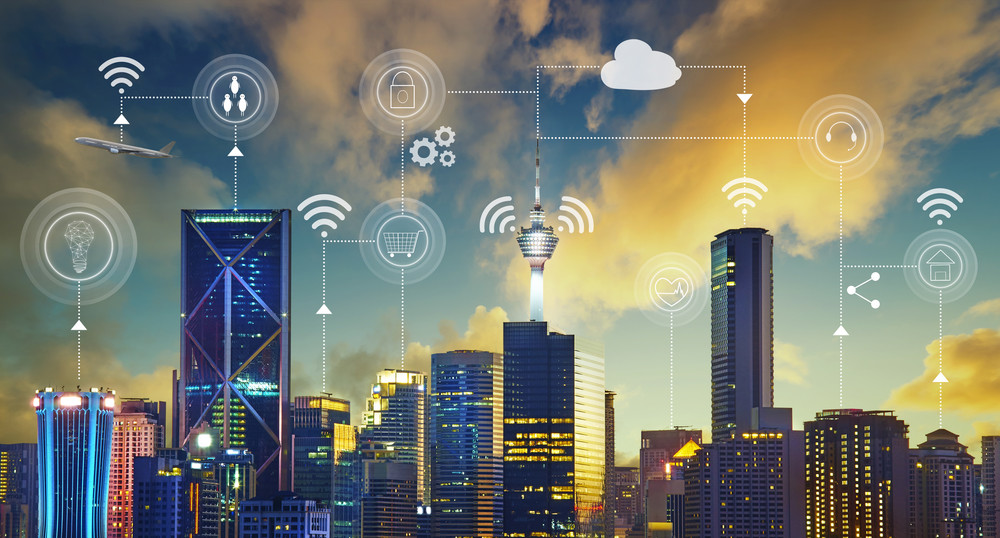
In this model of Smart Cities, advanced technology is integrated into various aspects of urban life, from transportation and transportation to energy and resource management, with the aim of improving the quality of life for people and giving them an advanced level of well-being, and increasing the efficiency of the services provided to them as they are developed every day.
Dr. Muhammad Fazlik knows that this model of Smart Cities. Dr. Mohammed Zamil, professor of project management at Shanghai University and the American University in Cairo, defines a smart city as a city that uses technology to better meet the needs of its citizens. These technologies include advanced communication networks, sensors, smart data management systems and artificial intelligence, according to Saudi Press Agency “SPA”.
According to the Saudi Press Agency "SPA Despite the many benefits offered by smart cities, they face some challenges, including high cost, as creating and operating smart infrastructure requires large investments, and their operation needs to analyze large amounts of data, which raises concerns about privacy and data security.
Dr. Mohammed Zamil adds that, in addition to the many benefits of smart cities, they also require large investments, and their operation needs to analyze large amounts of data, which raises concerns about privacy and data security. In addition, the use of new technology may increase the digital divide between those who have access to it and those who do not, and these smart systems may be exposed to cyber attacks that may affect their operation and jeopardize the data on them.
He added. These technologies aim to achieve a range of goals, including improving the quality of life by providing better services in the fields of health, education and transportation, as well as improving energy and resource efficiency by managing energy and water consumption more intelligently, reducing carbon emissions and improving air quality.
He added that these technologies aim to achieve a range of goals, including improving the quality of life by providing better services in the fields of health, education and transportation, as well as improving energy and resource efficiency by managing energy and water consumption more intelligently.
<a href="https://amlak.net.Smart Buildings are the cornerstone of building smart cities. They are buildings that use advanced technologies to improve energy and resource efficiency, and provide a more comfortable and safe work or living environment through the use of sensors. He explained that smart buildings can monitor and analyze data related to energy, lighting and ventilation, which allows making smarter decisions about managing these resources. A homeowner can monitor his home remotely, control the operation of all devices that provide protection against fire and theft and contact the competent authorities in case of occurrence.
Smart Buildings.