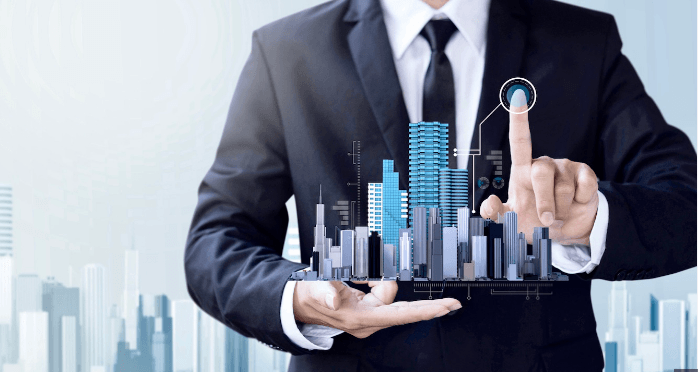

real estate development is no longer a race to build residential towers or sell the largest number of units, but a race to the future, where housing intersects with technology, sustainability with artificial intelligence, and individual dreams with state plans. As economic challenges grow and people's lifestyles change, urban planning concepts have begun to take a new direction, redefining what it means to be a “modern dwelling”. Are we facing a real estate revolution that will lead us to smart cities and more resilient and sustainable communities?
The real estate development sector has been undergoing a radical shift in concepts and methods in recent years, driven by three main factors: Economic changes, technological advances, and the changing needs and expectations of the population. Developers are now required to do more than just build buildings, but to develop a future-proof, integrated environment that offers a higher quality of life.
Real Estate Development
1. From building to innovation
The concept of real estate development has moved beyond the traditional build-and-sell model to a more holistic model based on creating smart and sustainable communities. New cities like Saudi Arabia's NEOM and Egypt's New Administrative Capital are living examples of this shift, where technology is integrated into the infrastructure from the start, through smart energy grids, autonomous transportation systems, and smart water and waste management.
New cities like Neom in Saudi Arabia and the New Administrative Capital in Egypt are living examples of this shift.
2. The Smart Dweller... and Changing Demand
<Today's resident is no longer just looking for an “affordable unit”, they want an environment that offers comfort, safety, entertainment and technology services. There is a growing demand for gated communities that offer green spaces, schools, medical centers, and shopping malls within a single boundary. High-speed internet, smart security systems, and electric parking lots are also becoming a necessity for modern housing.3.
With increasing environmental awareness, many real estate companies are moving towards green construction and the use of environmentally friendly materials, with attention to energy and water conservation techniques. Some projects seek to obtain international sustainability certificates such as LEED, to prove their commitment to environmental standards.
3. Sustainability at the heart of the project
4. Technology is changing the game
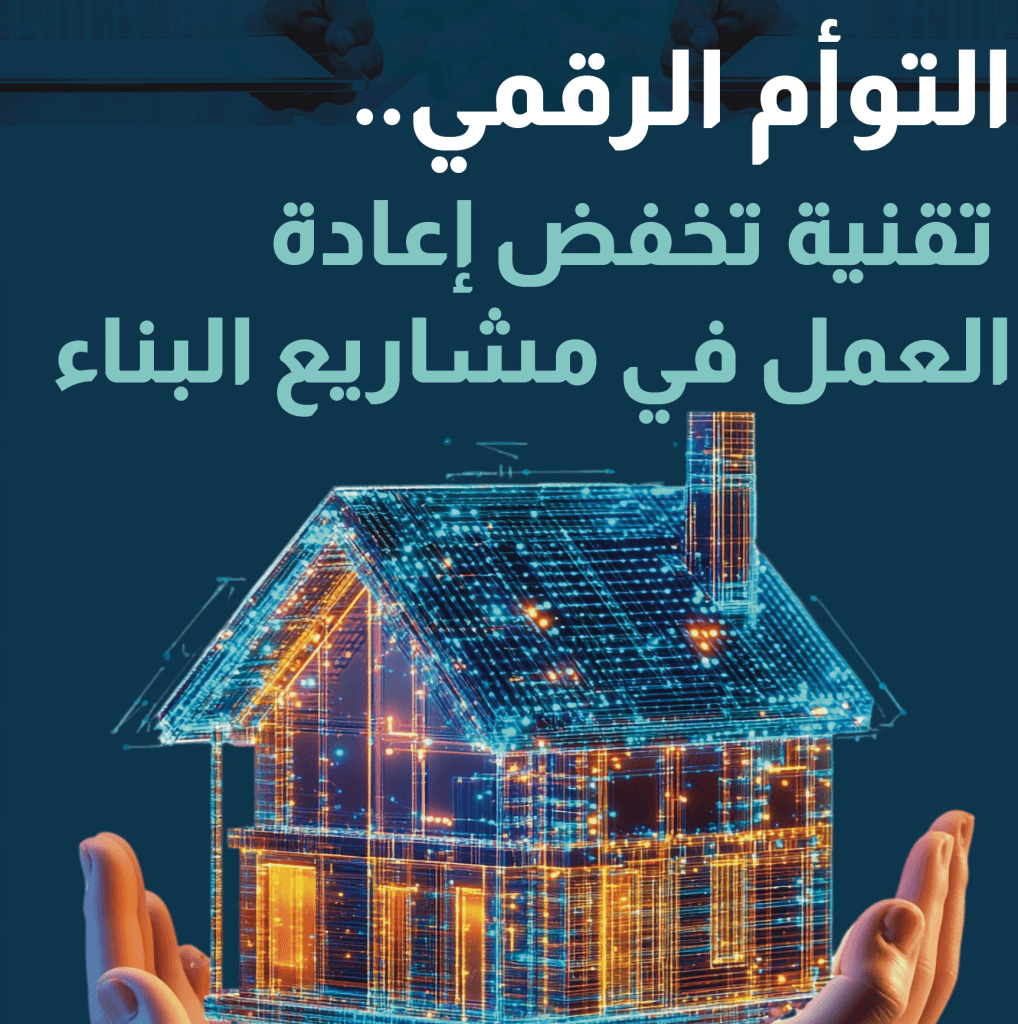
<Artificial intelligence and big data have become key tools in the development of real estate projects. By analyzing market data and customer preferences, the best locations and the best mix of services can be identified. Building Information Modeling (BIM) technology also plays an important role in improving design quality, speeding up implementation, and reducing waste.
5. Challenges that cannot be ignored
Despite this transformation, the road is not without its challenges. Rising prices of building materials, changes in interest rates and real estate financing, and pressures to reduce cost without compromising quality are major obstacles for developers. Some projects also lack the institutional integration and governance to ensure sustainability and fairness in distribution.
Experts point out. <Experts point out that smart and sustainable real estate development will shape the future of the sector over the next decade, but it requires strong public-private partnerships, long-term strategies supported by legislation, flexible financing, and specialized training. The real estate developer is no longer just an investor, but a ”life designer” who contributes to shaping cities, the economy and society.