
The General Authority for Statistics reported that the residential rent rate fell to 10.7% in August, compared to the record high of 11.1% recorded in July, which was the highest since the General Authority for Statistics began collecting data in 2013.
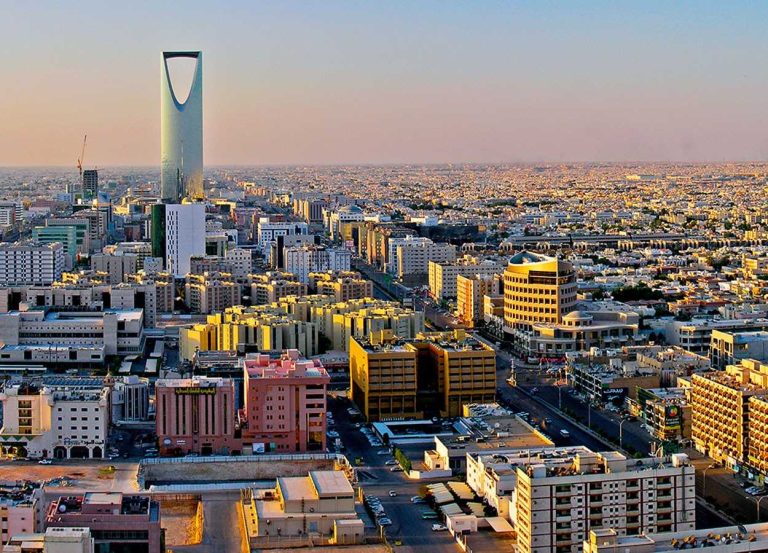
Despite the overall decline in residential rent prices, Buraidah, Riyadh, and Dammam led the increases in housing rents in Saudi cities during August at 52.71% and 22.8%, and 6.4%, respectively, while four cities saw price declines: Abha, Al-Baha, Al-Hofuf, and Sakaka, by -0.8%, -0.9%, –1.71% and –6.81%, respectively.
And residential rental prices are rising in the Kingdom, primarily due to a 10.8% increase in apartment rents, alongside changing housing culture in Saudi Arabia and the growing influx of foreigners into the country, who prefer apartment living.
The rise in rental prices is driven by increasing demand for housing, coinciding with international companies establishing regional headquarters in Saudi Arabia, which creates demand for housing from their employees, and a slowdown in supply due to reduced construction activity and a decline in new residential mortgage financing.
In its Article IV Consultation report released this September, the International Monetary Fund attributed the rise in rents to the influx of expatriate workers and major redevelopment plans in Riyadh and Jeddah.