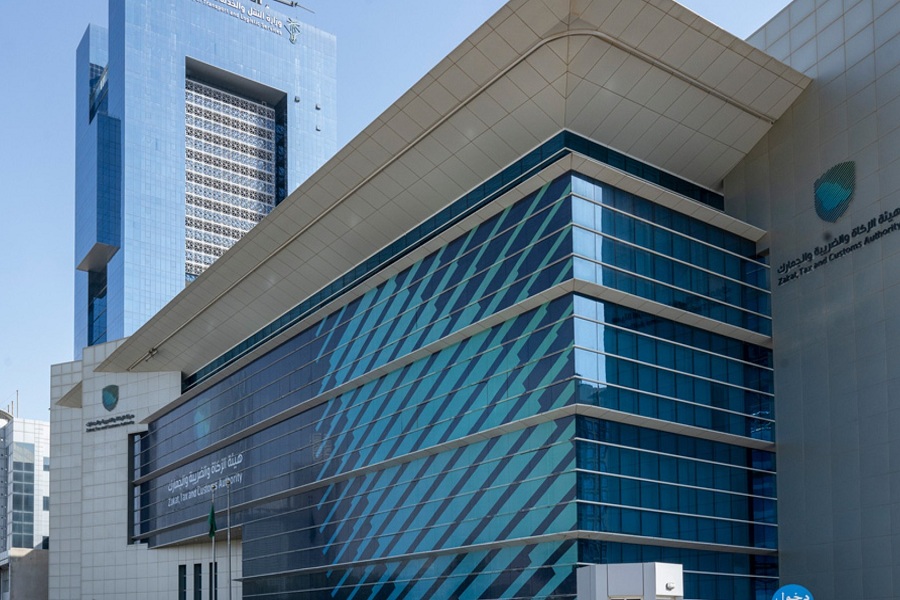

The ZTA explained that it will notify all targeted establishments in the sixteenth group, in preparation for linking and integrating the e-invoicing systems for VAT in 2022 or 2023. The Authority explained that it will notify all targeted establishments in the sixteenth group, in preparation for linking and integrating the electronic invoicing systems of these establishments with the (FATURA) system starting from April 1, 2025.
The Authority added that it will notify all targeted establishments in the sixteenth group. The second phase (linking and integration phase) entails additional requirements than the first phase (issuance and filing phase), most notably linking taxpayers" electronic billing systems with FATURA, issuing electronic invoices based on a specific format, and including a number of additional elements in the invoice,
The CRA added that the second phase (linking and integration phase) entails additional requirements than the first phase (issuance and filing phase). The second phase (linking and integration) will be carried out in a gradual and phased manner, with the Authority informing subsequent groups directly at least six months before the date set for linking.
The Authority also stated that the second phase will be carried out in a phased manner. She pointed out that the second phase of e-invoicing comes as an extension of the economic renaissance and digital transformation witnessed by the Kingdom, and a continuation of a success story that began with the first phase of the application of e-invoicing, which achieved many positive results, most notably raising the level of consumer protection throughout the Kingdom, praising the great awareness of taxpayers and their quick response in applying the first phase of the project.
Remembering that the second phase of e-invoicing is an extension of the economic renaissance and digital transformation witnessed by the Kingdom. It is noteworthy that the first phase of the e-invoicing project (the issuance and preservation phase) started on December 4, 2021, which obligates taxpayers subject to the e-invoicing regulation to completely stop using handwritten invoices or invoices written by computers through text editing programs or number analysis programs, and to ensure that there is a technical solution for electronic invoicing compatible with the Authority's requirements, in addition to ensuring that electronic invoices are issued and saved with all elements, including QR Code and other requirements.
The first phase of the e-invoicing project (the issuance and preservation phase) was implemented on December 4, 2021.