
Elevators are vital elements in modern buildings, facilitating the movement of people and goods between different floors. With increasing urban growth and the rise of skyscrapers, understanding the types of elevators and how to choose and use them correctly has become critical. By following the following tips, users can make the most of elevators while keeping themselves and others safe, as this report aims to provide comprehensive information about elevators, from their different types to maintenance and usage tips.
This report aims to provide comprehensive information about elevators, from their different types to maintenance and usage tips.
Types of elevators
1. Electric elevators
Elevators are the most common electric elevators in commercial and residential buildings. These elevators rely on a system of cables and wheels to raise and lower the cab. They are characterized by speed and energy efficiency. This category includes several types:- Guided elevators: Used in high-rise buildings and are characterized by their speed and ability to handle heavy loads.
- Unguided elevators: Suitable for buildings with few floors and are characterized by their low cost.
- High load capacity.
- Quiet operation.
2. Hydraulic elevators
Hydraulic elevators use a liquid system to move the cab. These elevators are ideal for buildings with few floors, as they need less space for installation. Advantages:
3. Home elevators
Home elevators are used in private homes and come in small designs that are suitable for tight spaces. They are an excellent choice for the elderly or those with special needs.
4. Cargo elevators
Elevators are used to transport goods and materials in factories and warehouses. They are characterized by their ability to carry heavy weights and operate continuously.
How to choose the right elevator
1. Determine the need
When choosing an elevator, you must first determine the specific needs of the building. Is it a residential or commercial building? Is it multi-story or low-rise? These factors can greatly influence the type of elevator that is appropriate.
2. Weight and payload
<The elevator's weight-carrying capacity should be considered. The capacity of elevators varies from 300 kilograms to more than 2000 kilograms. Choose the elevator that suits your needs keeping in mind future weight gain.
3. Speed
Speed is an important element especially in tall buildings. The speed rate of elevators ranges from 1 meter per second for traditional elevators to 6 meters per second for express elevators.
4. Security
<Make sure that safety systems are available, such as alarms and an emergency landing system. Elevators should conform to international and local safety standards.
5. Cost
Budget should be kept in mind when choosing an elevator. The cost includes purchase, installation, and maintenance, so it is important to get accurate estimates from specialized companies.
Tips for using elevators
1. Stick to the number of passengers
Do not exceed the specified elevator capacity. Overloading the elevator can lead to system damage or accidents.
2.
2. Wait quietly
<When waiting for the elevator, it is best to stand away from the doors and do not try to force them open. You should wait until the elevator comes to a complete stop before entering the cabin.
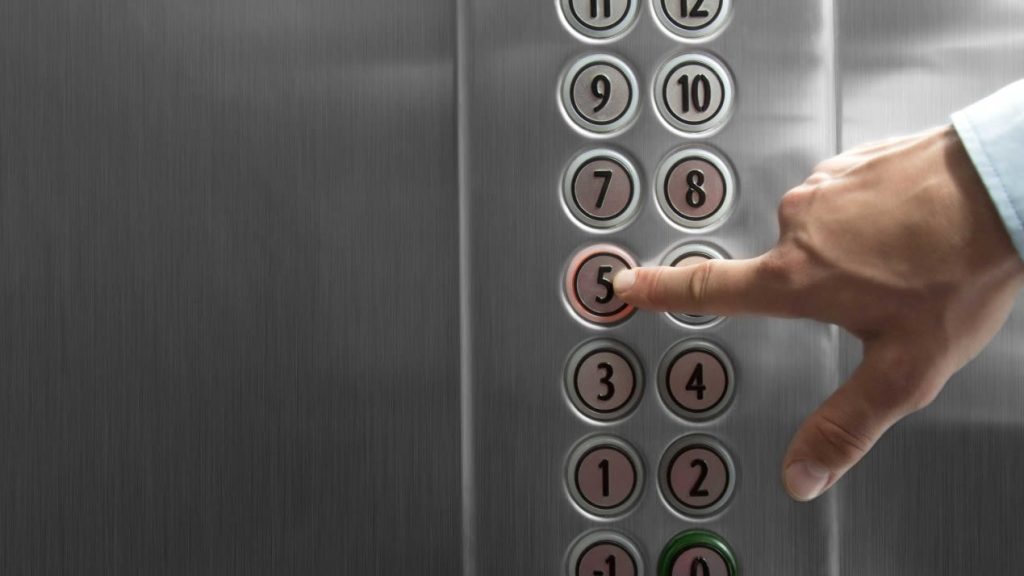
3. Using the Right Button
When entering the elevator, press the appropriate button for the floor you are going to. Avoid pressing the buttons repeatedly, as this can confuse the system.
4. Do not use the elevator in emergencies
In emergency situations such as fires, stairs should be used instead of elevators, as elevator systems can malfunction during these events.
Elevator Maintenance
1. Regular maintenance
It is important to perform regular maintenance on elevators to ensure their safety and efficiency. This maintenance includes checking the mechanical and electrical parts.
2. Check the safety systems
Make sure to check safety systems periodically, such as alarms and emergency landing systems. These systems should be tested periodically to make sure they are working properly.
3. Use specialized technicians
Make sure that maintenance work is performed by certified technicians. Poor maintenance can lead to serious issues.
4. Maintain a maintenance log
Document all maintenance and repairs. This will help monitor performance and identify any issues that may arise later.