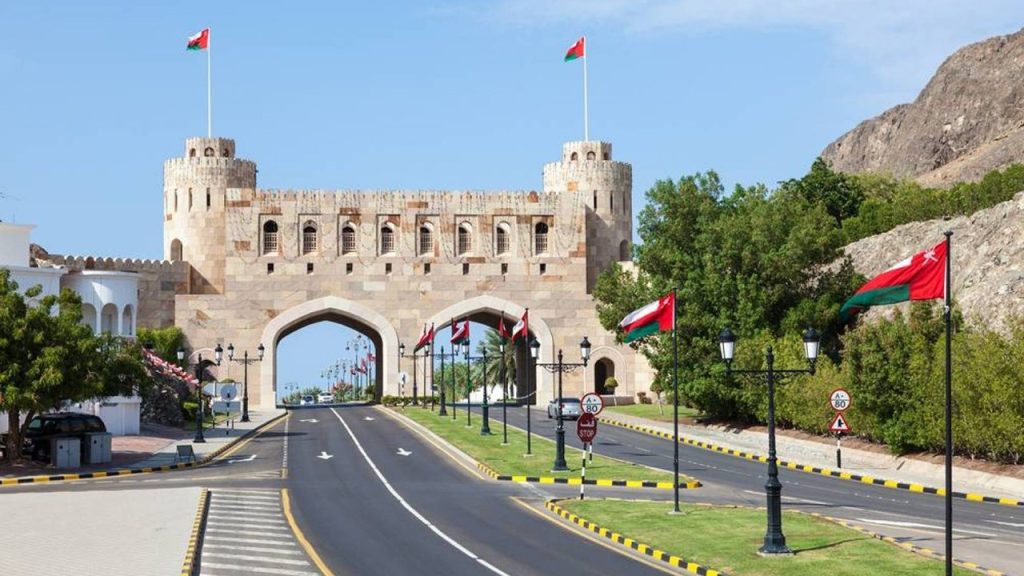

The the residential real estate market in the Sultanate of Oman saw a significant decline in prices during the third quarter of 2024, according to recent data released by the Omani Center for Statistics and Information.
The report reflects notable shifts in the real estate market in the Sultanate of Oman, both in terms of annual performance and quarterly changes, with notable variations across governorates and different property categories.
A clear annual decline
Statistics showed that the general index of residential real estate prices declined by 1.9% compared to the same period last year. This decline was driven by decreases across most real estate categories. Residential land prices fell by 1%, while apartment prices saw a sharp decline of 12.9%. Prices for other types of homes decreased by 6.5%.
In contrast, villas stood out as an exception in the market, with prices rising by 2.5%, indicating sustained demand for this type of property, perhaps driven by consumers" desire to invest in higher-value real estate.
Minor Quarterly Movements
On a quarterly basis, the market showed relative stability with a slight increase of 0.3% in the overall index compared to the second quarter of this year. Quarterly changes included a 0.3% increase in residential land prices and a 3.5% increase in villa prices, while apartment prices fell by 5.2%, and prices for other types of homes rose by 2.3%.
Notable Disparities Among Governorates
Geographically, the statistics revealed clear disparities among the governorates in the annual performance of the residential real estate market. The Muscat Governorate, considered the Sultanate’s leading real estate market, recorded a 7% decline, while the Dhofar Governorate saw a 4.3% decline. The Musandam Governorate, meanwhile, suffered the largest decline of 26%, reflecting a sharp drop in demand for residential real estate there.
Other governorates, such as Al Buraimi, Al Dakhiliyah, Al Dhahirah, and Al Wusta, recorded declines ranging from 3.3% to 17%, indicating economic pressures or changes in supply and demand dynamics.
On the other hand, some governorates recorded an increase in residential real estate prices, with North Al Batinah leading the growth at 18.8%, followed by North Al Sharqiyah at 5.3%, South Al Batinah at 3.1%, and South Al Sharqiyah at 1%.
Market Indicators and Future Outlook
These data reveal clear shifts in Oman’s real estate landscape, as the market is influenced by various factors, including economic changes and investor trends. While the decline in most categories and governorates may reflect pressure on the market, the growth in villa prices and in certain areas indicates continued interest in high-value properties.
Amid ongoing economic shifts at both the local and global levels, investors and real estate developers in the Sultanate remain cautiously watchful of future market trends, particularly in light of government efforts to stimulate the real estate sector and support its stability.