
China faces increasing challenges in meeting its ambitious environmental targets in its steel production sector, as it slows its steps towards switching to cleaner production. This comes amid the real estate crisis affecting demand and prices, putting the Chinese economy in a difficult equation between maintaining economic growth and meeting climate commitments.
China is facing increasing challenges in achieving its ambitious environmental targets in the steel production sector, as it slows its steps towards shifting to less polluting production.
Challenges of clean steel production in China
China is the world's largest producer and exporter of carbon emissions, with the steel sector accounting for about 7% of global CO2 emissions. In an effort to cut emissions, authorities have set a target to increase the proportion of steel produced through electric arc furnaces - the least polluting - to exceed 15% of total production by 2025.
But the data shows that China is the world's largest producer and emitter of carbon emissions, with the steel sector accounting for about 7% of global CO2 emissions. <But data suggests that China is facing significant difficulties in achieving this target. In 2023, the average operating rate of electric arc furnaces was only 49%, compared with 54% the previous year, the lowest level since data recording began in 2021, according to Shanghai-based Fubao Information, based on a study of more than 100 factories.
The real estate crisis and its deep impact
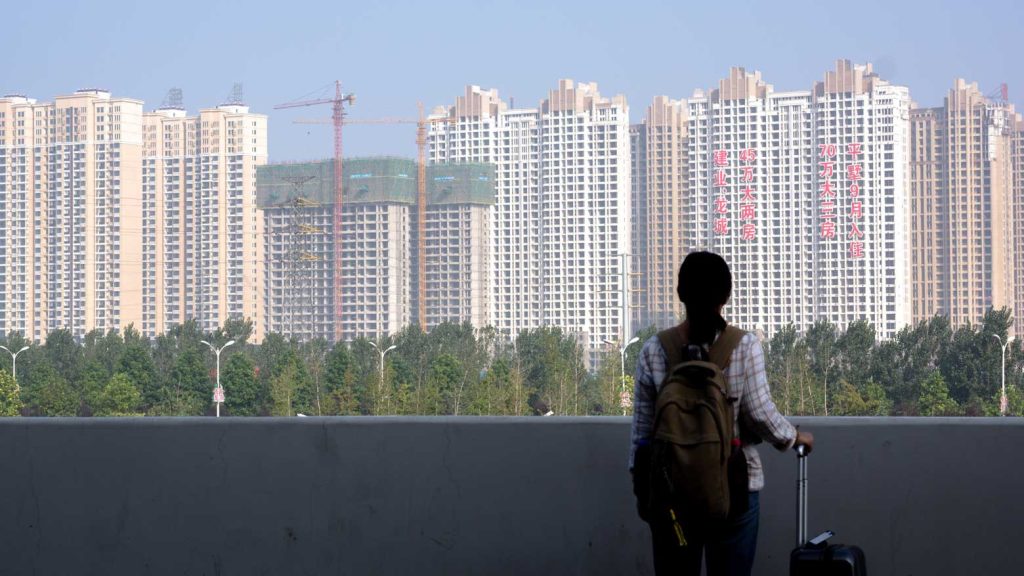
The real estate sector in China is one of the main reasons for the slowdown in the transition to cleaner production. The real estate market is suffering from a sharp decline in house prices, with a large surplus of unsold units, which has reduced demand for steel used in construction, thereby lowering production and prices.
Shu Xiangzhi <Xu Xiangchun, an analyst at Maestel Global, said: "The 15% target will not be achieved under current conditions, despite the availability of electric arc furnace production capacity. Declining sales and prices have led to production cuts, as these furnaces are highly dependent on demand in the construction sector, which has been severely impacted."
Mixed outlook for the future
<According to the World Steel Association, the share of electric arc furnaces in China's total steel production reached 9.9% in 2023, while Florence Sun, strategist at Macquarie Group, suggested that the actual proportion may be slightly lower. She characterized achieving the 15% target by 2025 as "very ambitious."<However, there remains cautious optimism among some analysts about tangible progress in the future. Jiang Mingtian, an analyst at Horizon Insights, predicted a gradual improvement over the coming years thanks to China's continued commitment to decarbonization targets, noting: “Pushing policies in favor of cleaner production technologies may help minimize the gap between reality and ambition.”
Electric Arc Furnaces: An opportunity for industry and the environment
Electric arc furnaces are a key technology in achieving more sustainable steel production, remelting old steel instead of using coal, significantly reducing carbon emissions. But despite its importance, the technology still faces structural challenges, most notably the high cost and heavy reliance on demand from the construction sector.
Economic and Climate Dilemma
China's steel crisis exemplifies a broader dilemma faced by industrialized nations, where environmental shifts require long-term investments that may conflict with short-term economic goals.
As China seeks to strike a balance between supporting the economy and countering the real estate slowdown on the one hand, and committing to reducing emissions and developing clean steel production on the other, the big question remains: Can it overcome these challenges and achieve its climate goals on time? <China's clean steel crisis is a real test of its ability to reconcile economic growth with environmental responsibility. Despite the current difficulties, a focus on innovation and supportive policies may be the only way to strike the right balance and turn challenges into opportunities in the future.