
The global construction industry is undergoing a rapid technological revolution, which has prompted a rethinking of traditional construction methods and made prefabricated construction—or “pre-fabrication”—a key option for many residential, commercial, and industrial projects. What sets this technology apart, and is it truly the future of the construction sector in Egypt and around the world?
This development comes amid the accelerating pace of urban growth and increasing demand for fast, safe, and cost-effective projects, where every minute counts and every pound matters. Given this reality, prefabricated construction emerges as an innovative solution that could reshape the construction industry, offering unprecedented completion speeds, higher quality, and more manageable costs compared to traditional construction methods, which have long posed a challenge to engineers and developers alike.
What is prefabricated construction?
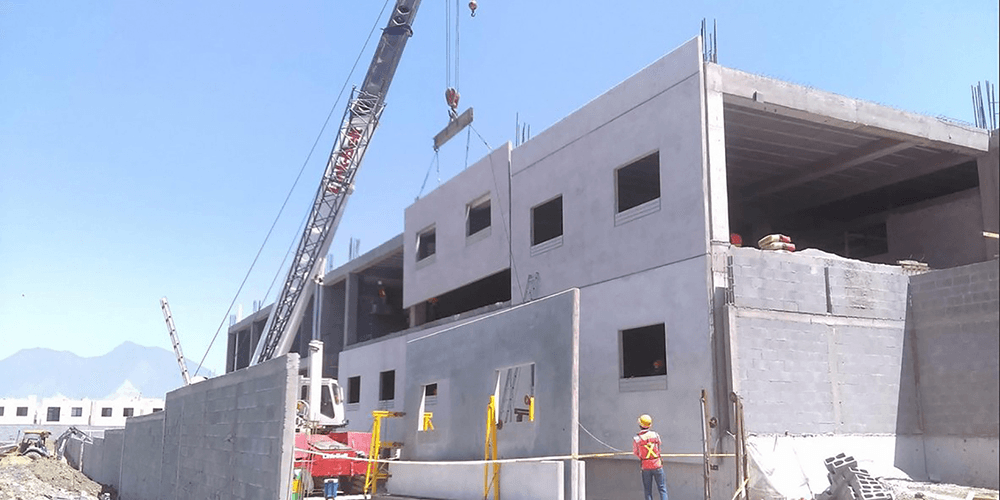
Prefabricated construction involves manufacturing building components—such as walls, ceilings, complete room modules, or even entire buildings—in specialized factories and then transporting them to the project site for assembly. This method significantly reduces on-site work, minimizes waste, and provides a safer environment for workers.
Speed: A Decisive Factor in Choosing Prefabricated Construction
One of the most notable advantages of prefabricated construction is the speed of execution. Units can be manufactured concurrently with basic site preparation work, reducing project duration by up to 50% compared to traditional construction. This has a direct impact on investors" returns, especially in rapid housing projects and commercial complexes that require urgent delivery.
Quality: Advanced Standards Under Control
Prefabricated building components are manufactured in an environment designed for complete quality control, shielded from weather fluctuations and on-site conditions. This ensures a consistent level of precision and finish, and reduces problems with cracks and moisture, which often plague traditional buildings. It also allows for the use of modern technologies such as precast reinforced concrete, fiberglass, and fire-resistant materials, which enhance the buildings" lifespan and ensure their sustainability.
Cost: A Long-Term Investment
Although the cost of prefabricated units may seem higher at first glance, reduced labor costs, minimized waste, and a shorter project duration make them more cost-effective in the long run. Furthermore, maintaining prefabricated buildings is easier and less expensive due to the manufacturing process and the standardized specifications they adhere to.
Challenges Facing Prefabricated Construction
Despite its many advantages, prefabricated construction faces some challenges. The most notable of these are limited design flexibility compared to traditional construction, the need for significant investment in factories and equipment, and precise logistical requirements for transporting heavy and large units to construction sites. In addition, traditional cultural norms in some markets, particularly in Egypt and the Middle East, may have hindered the widespread adoption of this approach thus far.
Experts in the construction sector believe that prefabricated construction will become an essential part of future urban solutions, especially given rising labor costs, increasing demand for housing, and time pressures on major projects. They emphasize that combining traditional and prefabricated construction—known as “Hybrid Construction”—may represent the optimal solution, as projects benefit from speed and quality without sacrificing unique architectural designs.