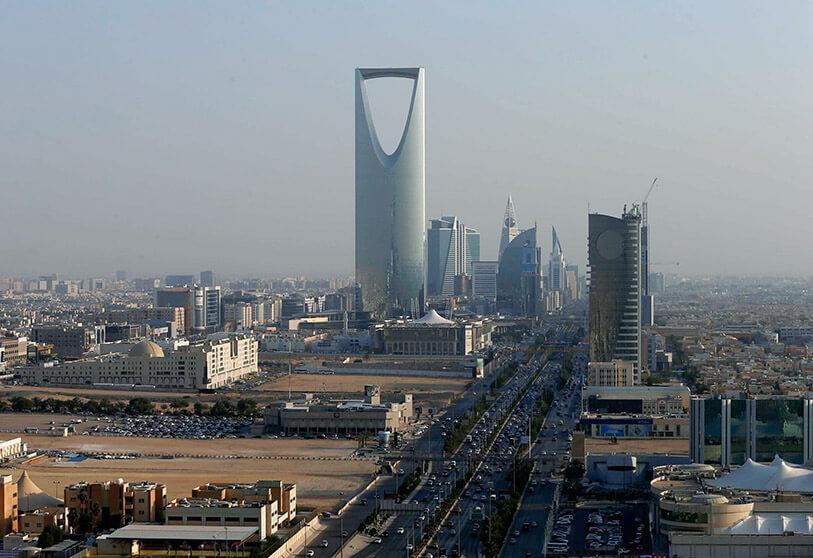

Amid the urban boom currently taking place in Saudi Arabia, private-sector buyers are set to invest 4.58 billion riyals ($1.22 billion) in the residential real estate market this year, as they are prepared to pay high price premiums to secure units within these mega-projects, according to the “Saudi Arabia 2025” report issued by Knight Frank, a real estate consulting firm. This trend reflects a shift in buyers" priorities, as these iconic projects have become an attractive option for those seeking properties with high investment and living value.
Billions of riyals spent on residential real estate
A survey conducted by Knight Frank in partnership with YouGov, which surveyed 1,037 Saudi households and 100 residents, revealed that buyers plan to spend 1.83 billion riyals ($489 million) on residential real estate across the Kingdom, while 2.75 billion riyals ($733 million) has been earmarked for investment in mega-projects. The data indicates that Saudis hold the largest share of capital ready for investment in these projects, with a total intended expenditure of 2.6 billion riyals, compared to 133.7 million riyals from residents.
Mega-projects Attract Investors
Although 42% of survey participants set their budget ceiling at 1.5 million riyals for purchasing a home outside of major projects, many of them expressed a willingness to spend larger amounts to live in one of these ambitious projects. The results revealed that 20% of the participants were willing to pay more than 4.5 million riyals for a home within a mega-project, reflecting the high demand for residential units in these areas.
The report also showed that the average budget allocated for homes within large-scale projects is 3 million riyals, compared to 2.2 million riyals for homes outside these projects, reflecting the significant difference in market value between the two categories. Saudis with monthly incomes exceeding 50,000 riyals are the most eager to invest in this sector, with an average budget of 5.2 million riyals to purchase a home in one of the major projects.
A notable disparity in spending trends among income groups
Despite widespread interest in large-scale projects, the data revealed a disparity in spending trends among high-income segments. While 55% of Saudis with monthly salaries ranging from 60,000 to 70,000 riyals stated they were unwilling to spend more than 750,000 riyals on a home in a large-scale project, 41% of Saudis earning more than 80,000 riyals per month plan to spend more than 20 million riyals to purchase a home in these projects, reflecting differing investment priorities among the upper income brackets.
Warnings of an Oversupply of Luxury Real Estate
Despite these encouraging indicators, Harmen de Jong, Regional Partner and Head of Strategy and Consulting at Knight Frank Saudi Arabia, warned of a potential oversupply of luxury homes, given the limited number of people able to purchase these units, emphasizing the importance of attracting new segments of buyers—both from within the Kingdom and abroad—to ensure the market remains balanced.
De Jong pointed to the challenges real estate developers face in implementing their ambitious plans, which include 1.04 million residential units, more than 7.7 million square meters of office space, as well as 7.4 million square meters of retail space, and 362,000 hotel rooms. He emphasized that these projects place significant strain on resources, including skilled and unskilled labor and the availability of raw materials, as well as rapidly rising land costs.