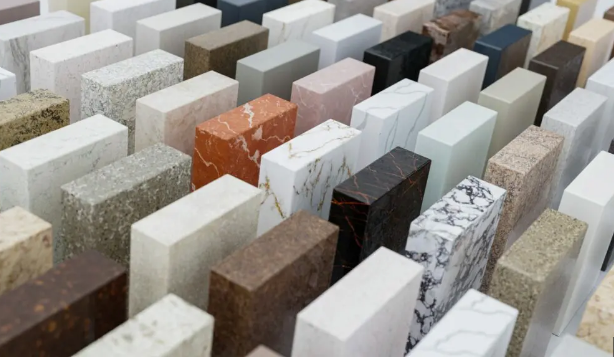
Marble is one of the most luxurious materials that adds a touch of elegance and sophistication to various spaces, whether in homes, offices, or hotels. However, its high cost and constant need for maintenance has prompted many to look for other alternatives that have a similar appearance but at a lower price and easier maintenance. Between natural and synthetic alternatives, the debate rages on as to which is better, and can synthetic alternatives compete with natural marble in quality and beauty?
Natural marble. Luxury inspired by nature
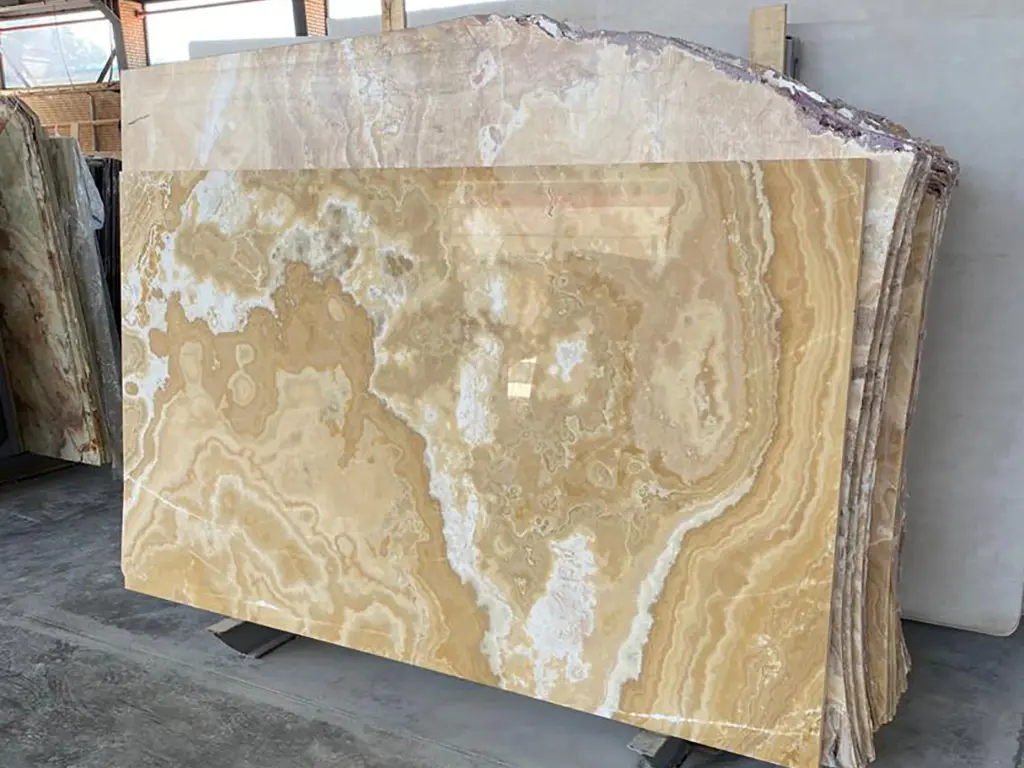
Natural Marble is a stone extracted from the earth, mainly composed of calcite and formed under the influence of high pressure and heat over thousands of years. This type of marble is characterized by its unique and unrepeatable designs, where the natural veins give it a distinctive shape that makes it the first choice for lovers of luxury and originality.
Natural Marble
Natural Marble
Advantages of natural marble:
It is characterized by its natural beauty and a variety of colors and patterns.<It gives spaces a luxurious feel that lasts for decades.
Heat resistant, making it ideal for use in kitchens and fireplaces.
Resistant to heat, making it ideal for use in kitchens and fireplaces.
Disadvantages of natural marble:
Requires regular maintenance to protect it from stains and scratches. <It may be affected by acids such as lemon juice or vinegar, causing discoloration. The cost is high compared to other alternatives.
Natural marble alternatives. Lower cost options
<With the rising costs of natural marble, some alternatives have emerged that offer a similar experience, but at lower prices. Some of these alternatives include:Granite
Granite: A natural stone that is strong and durable and less prone to scratches and stains than marble, making it a practical choice for kitchens and other high-traffic areas.
Granite. <Travertine: A natural option with an elegant appearance, but is more porous than marble, making it susceptible to stains.
Travertine.
Slate: It has a unique look and high water resistance, making it an ideal choice for floors and walls.
Slate.
Industrial marble alternatives. Evolution in design and quality
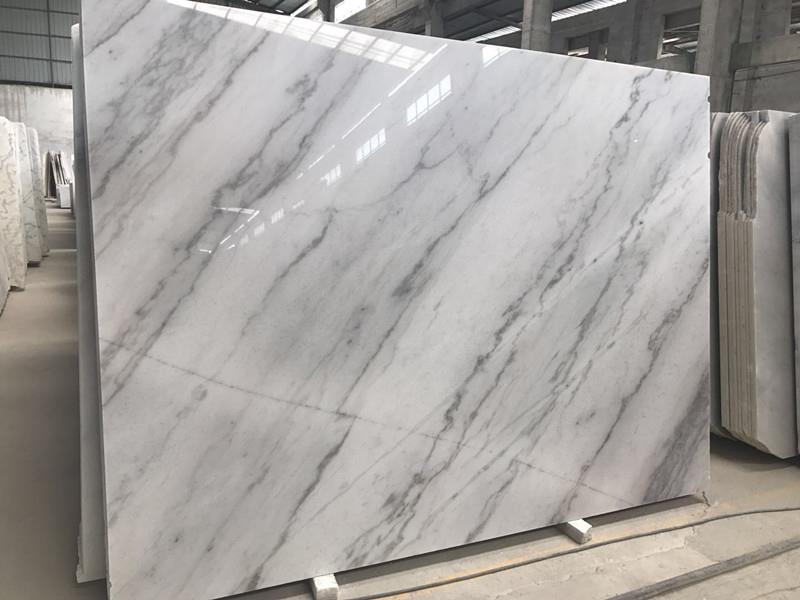
In recent years, synthetic alternatives have evolved tremendously, offering the same aesthetics as natural marble, but with additional features. Some of the most notable synthetic alternatives include:
<Quartz: One of the most popular synthetic alternatives, it consists of a mixture of natural quartz and resins, making it more resistant to scratches and stains than natural marble.
Printed Porcelain: 3D printing techniques have evolved to give porcelain designs that closely mimic the look of natural marble, but with greater durability and ease of maintenance.
Acrylic.
Acrylic (solid surface): A synthetic material that is highly resistant to stains and bacteria, making it an ideal choice for kitchens and hospitals.
Treated concrete surfaces: Can be colored and shaped for a marble-like appearance, with great design flexibility.

Which one is right for you?
The choice between natural marble and its alternatives depends on several factors, such as budget, nature of use, and maintenance requirements. If you're looking for luxury and authenticity without worrying about cost and maintenance, natural marble is the best choice for you. If you need a practical solution that can withstand heavy use without requiring regular maintenance, natural alternatives like granite or synthetic ones like quartz and porcelain may be the perfect choice.
In the end, whether you're looking for luxury and authenticity without worrying about cost and maintenance, natural marble is the way to go.
<In the end, whether you choose natural marble or one of its alternatives, the decision depends on your personal needs and preferences. With so many options available on the market today, anyone can strike the perfect balance between beauty, quality, and cost. But the question remains: will natural marble remain the first choice for luxury, or will developments in synthetic alternatives change this equation in the future?