
Lighting is not merely a means of illuminating spaces; it is a fundamental element in interior and exterior design, playing a pivotal role in defining a home's atmosphere and visual impact. Through the intelligent distribution of light and the selection of appropriate light sources, small spaces can be transformed into areas that appear more spacious and comfortable, highlighting decorative elements in a way that enhances the beauty of architectural details. But how exactly does lighting affect a home's decor and spatial design? And what is the difference between the impact of interior and exterior lighting on space design?
Interior lighting: a magic tool for expanding spaces and highlighting details
In interior design, lighting is a visual tool capable of creating different atmospheres in a home, as it can be used to enhance spaciousness or define specific areas within spaces.
1. Lighting and its effect on room space
Lighting plays a key role in how we perceive a room's size; it can make small rooms appear more spacious, and vice versa. For example, bright, evenly distributed lighting minimizes shadows and creates a sense of greater space, while dim lighting can make a room feel smaller and more intimate.
Examples of lighting that visually expands spaces:
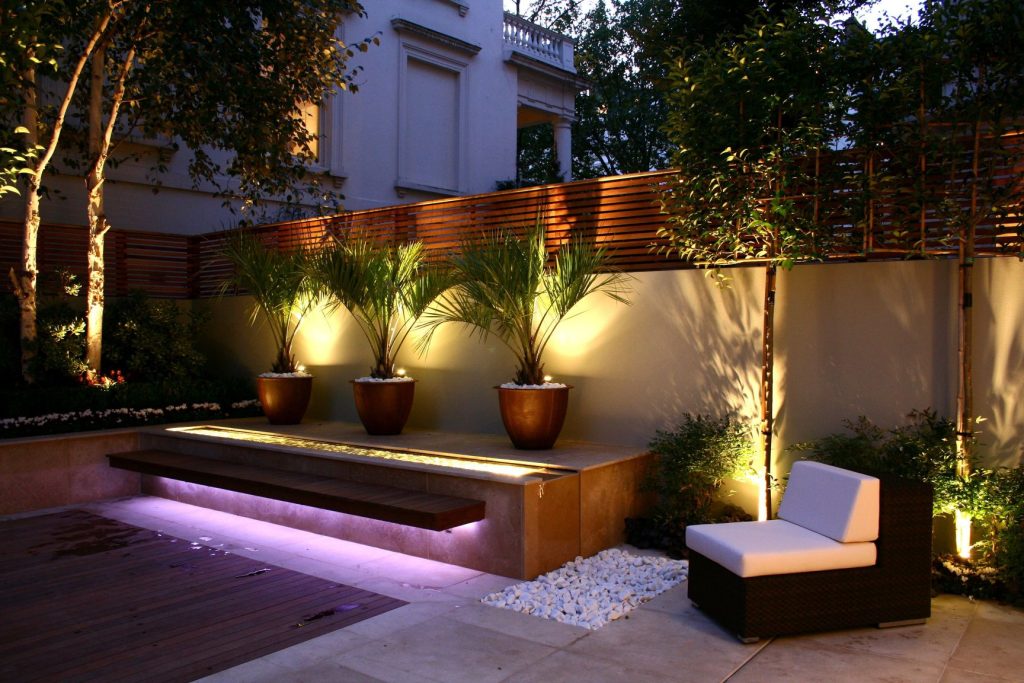
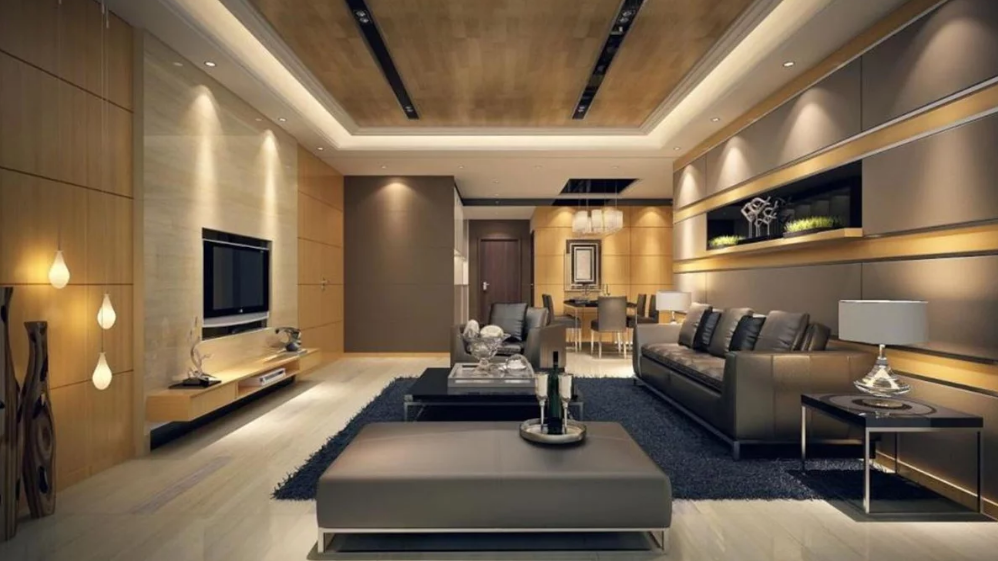
Hidden lighting (Indirect Lighting): Used in ceilings and walls to distribute light softly, making the space appear larger and taller.
Mirrors with lighting: They reflect light and increase the sense of depth, visually doubling the size of the room.
Wall Wash Lighting: Adds a visual dimension to the walls, making them appear to extend outwards.
2. Highlighting decorative elements with lighting
Lighting is not just a tool for illumination; it can also be used to highlight furniture, artwork, or other decorative elements. For example:
Track lighting: Used to highlight artwork or libraries, making them a visual focal point.
Under Cabinet Lighting: Highlights surfaces in kitchens or side tables in living rooms.
Spotlights: give a dramatic dimension to architectural elements such as columns or stone walls.
3. Types of interior lighting and their effect on the atmosphere
Interior lighting is typically classified into three main types, each playing a different role in enhancing the decor:
General lighting (Ambient Lighting): Provides the basic lighting for the space, such as chandeliers or large ceiling lights.
Task lighting: Used to illuminate specific areas such as work desks or dining tables.
Accent lighting: focuses on highlighting specific elements in the decor, such as hidden lighting in the walls or under shelves.
Outdoor lighting: A smart design that enhances the beauty of the home and its surroundings
Outdoor lighting is not just an aesthetic addition, but a fundamental element that enhances the beauty and security of the home and gives it a distinctive character, whether it is in the garden, the entrance, or the facade of the house.
1. Improve the overall appearance of the interface
Appropriate exterior lighting can add a touch of luxury and enhance a property's value. Some of the options used include:
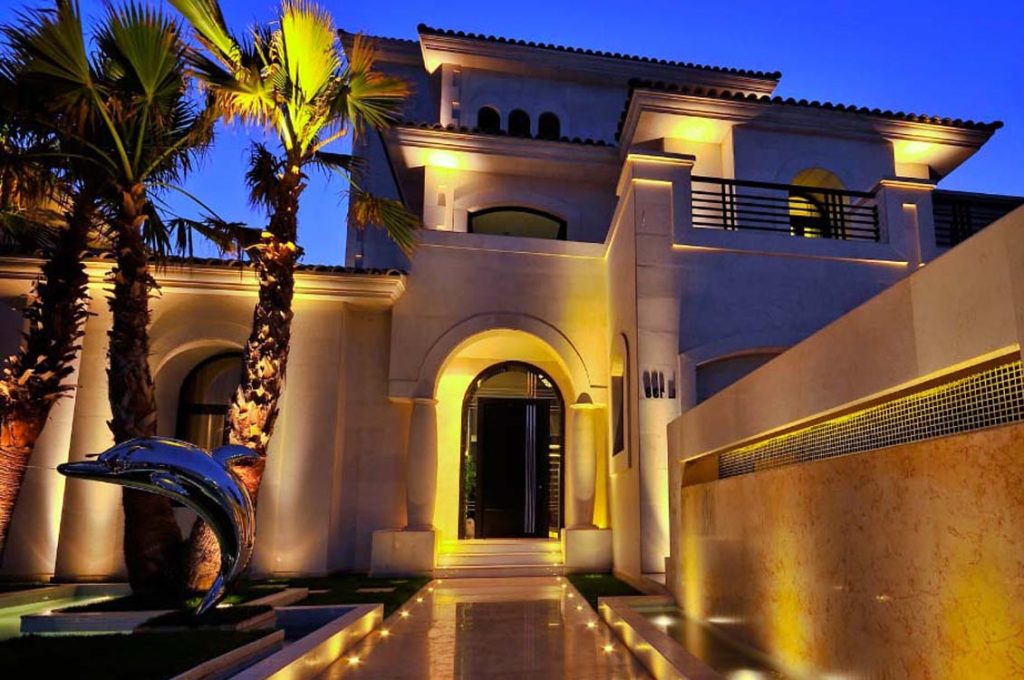
Floodlights: Used to illuminate entire facades, highlighting architectural design details.
Pathway Lights: They provide a stylish look and increase safety while navigating at night.
Hidden lighting: Used to highlight certain details such as windows, doors, or stone columns.
2. The effect of lighting on outdoor spaces
As with interior design, lighting plays a role in how outdoor space is perceived. Bright lighting makes gardens appear more spacious, while softer lighting creates a sense of intimacy. Some techniques used include:
Lighting trees and gardens: Highlights plants and green spaces, creating a natural and attractive atmosphere.
Lighting ponds and fountains: adds a visual dimension to the movement and makes the water look brighter and more vibrant.
Exterior wall lighting: helps to unify lighting in large spaces and gives a uniform appearance to the exterior facade.
3. Lighting and safety
Besides the aesthetic aspect, exterior lighting plays a vital role in enhancing security, as smart lighting can prevent intrusion and improve visibility in entrances and corridors, such as:
Motion Sensor Lighting: It lights up when motion is detected, providing both security and energy savings.
Solar lights: A sustainable option that reduces electricity consumption and contributes to automatic lighting for gardens and walkways.
In conclusion, whether indoors or outdoors, lighting plays a crucial role in shaping the identity of spaces, enhancing décor, and creating exceptional visual impact. Through intelligent planning and the use of different types of lighting, the sense of space can be controlled, aesthetics highlighted, and the perfect balance between function and beauty achieved. Therefore, when designing the lighting in your home, consider how it affects visual perception, atmosphere, and functionality, because good lighting is not just a complementary detail; it's the element that brings out everything around it in a more creative and appealing way.