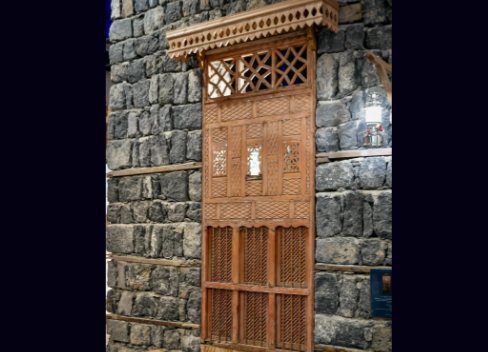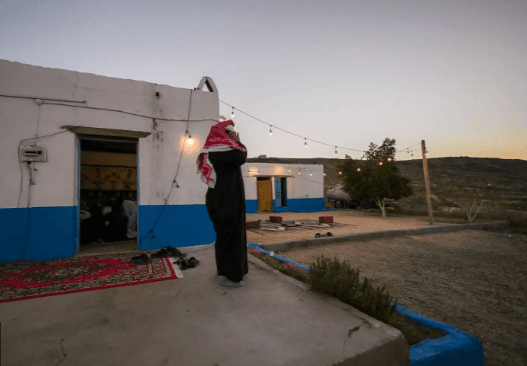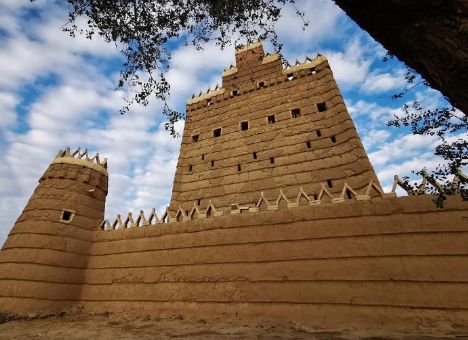

Some of Medina's buildings, both old and modern, highlight the art of Saudi architecture
. Some buildings in Medina, both ancient and modern, showcase the art of Saudi architecture through “rasheen”, which are prominent windows or balconies made of wood, used to cover the external openings of houses, and are considered one of the most prominent traditional architectural features in the Kingdom.
One of the most prominent traditional architectural features of the Kingdom is the rasheen. Dating back to the late sixth century, the rasheen was intended to reduce temperatures, as it relies on a design that allows air to pass into the house, which helps to cool the atmosphere.
Rasheen are made of wood and are used to cover the external openings of houses and are considered one of the most prominent traditional architectural features in the Kingdom.
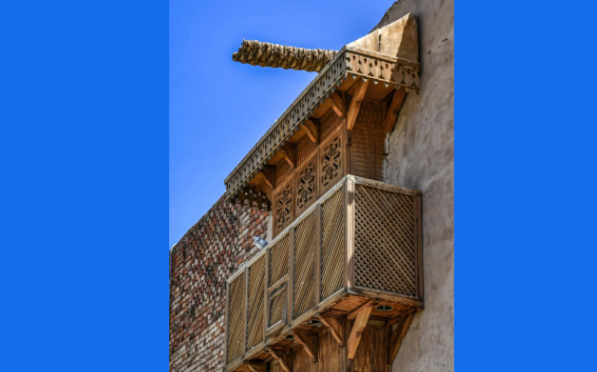
The second type is the “prominent”,
which is characterized by a decorative decoration <It is often used above the entrances of houses to add visual beauty, and consists of continuous wooden units that cover the entire upper surface, or separate vertical units appear on each floor, interspersed with vertical decorations, and are usually decorated with crown-like details or a hollow umbrella at the top of the house, while the third type is characterized by a long or arched roof, which is filled with carved iron fingers. The third type is ”Roshan with a balcony”, which consists of separate parts that combine to form a projection known as “balcony” or "balcony", and its divisions, curtains and openings vary according to the design, including the presence of a curtain or canopy that is inclined or flat, and its sizes and shapes vary according to each house.
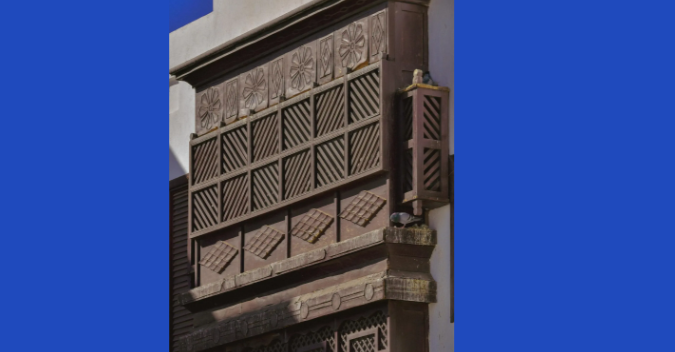
They are characterized by their multiple uses. The colors of the rasheen vary between wood, brown and green, and the skills of the carpenters are highlighted by the intricate details of the woodwork, such as interlocking parts and window shutters that consist of small mesh curtains.
Rasheen are made of stone or brick benches attached to the wall of the house, not more than two centimeters high, where the elderly and family members sit.
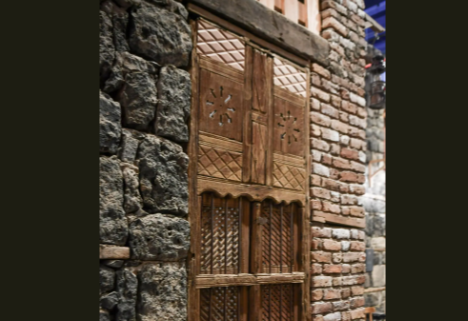
The Saudi Architecture Map includes 19 architectural styles, each of which reflects the geographical, natural and cultural characteristics of the Kingdom's regions, combining originality and modernity to improve the quality of life and enhance the attractiveness of cities, in line with the goals of Saudi Vision 2030.
Remember that the Saudi Architecture Map