Rentals in Saudi Arabia will continue to be one of the main drivers of inflation through 2025, driven by rising demand in major cities and increasing housing costs. Jadwa Investment confirmed this in a recent economic report, noting that rents continue to put pressure on consumer prices, although the pace of increase is expected to ease during the second half of the year.
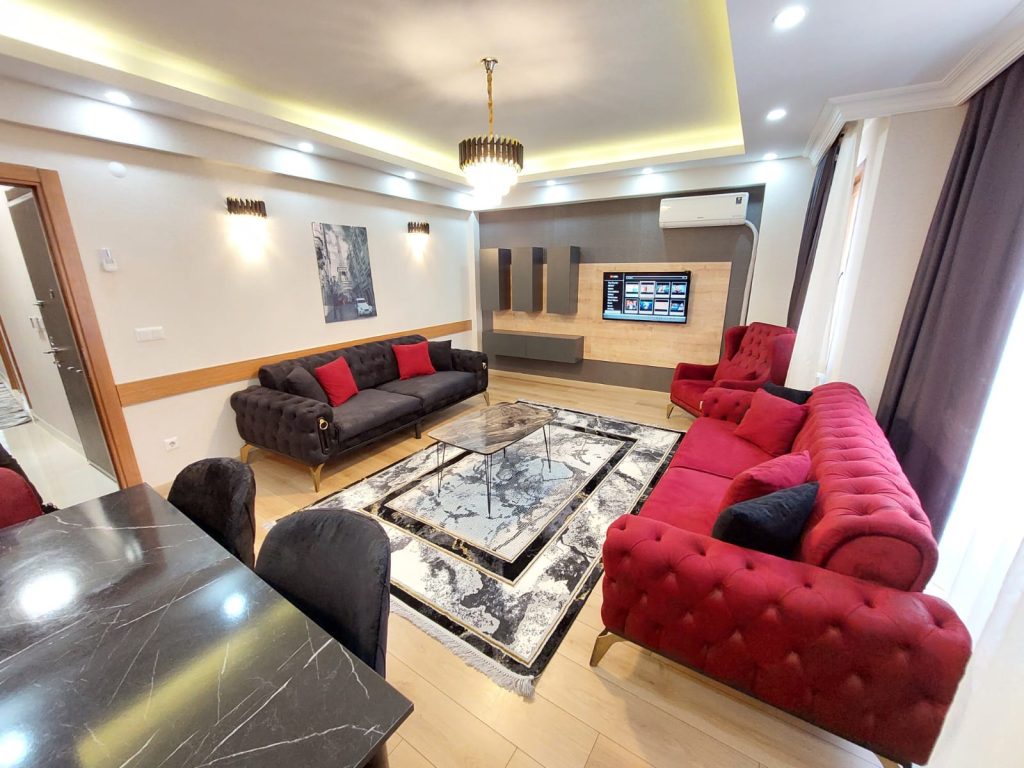
Jadwa Investment Company said in a recent report that the "housing and utilities" category, especially residential rents, was the most prominent factor in pushing inflation rates in the Kingdom higher during the first five months of 2025. Residential rents continued to rise due to increased demand, especially in major cities such as Riyadh and Jeddah, which clearly contributed to the rise in the CPI.
26% of residential CPI
Jadwa explained that the housing and utilities category accounts for about 26% of the total CPI, and its prices are witnessing continuous growth led by increases in housing rents, in light of urbanization, population growth and the increasing need for housing units in major cities.
Jadwa explained that the housing and utilities category accounts for about 26% of the total CPI. <In terms of general figures, consumer prices in the Kingdom recorded a rise of 2.2% during January-May 2025, compared to 1.6% during the same period in 2024. Although this is still within moderate levels, rents remain the most important factor in this increase.
Jadwa expects rental inflation to begin to decline during the second half of the year, as a result of the comparison with the high levels recorded last year, in addition to the entry of new housing projects into the market, which enhances housing supply and relieves pressure on prices.
Jadwa also noted that the report also indicated that this increase is still within moderate levels, but rents remain the most important factor in this increase. The report also noted that if the US Federal Reserve begins cutting interest rates during the fourth quarter of 2025, this could encourage Saudi citizens to move towards homeownership again, rather than relying on renting, a trend already recorded in the fourth quarter of 2024.
The report also noted that if the US Federal Reserve begins cutting interest rates during the fourth quarter of 2025, this could encourage Saudi citizens to move towards homeownership again, rather than relying on renting, a trend already recorded in the fourth quarter of 2024. <However, Jadwa expects demand for residential rentals to remain strong in the medium term, supported by growth in the non-oil sector and the expansion of the Saudi economy, which will create more job opportunities for citizens and residents, especially in major cities. As for the rest of the components of the inflation index, the report referred to the "miscellaneous goods and services" category, which represents 13% of the index, which also witnessed notable increases during the period, especially in items such as jewelry and watches, as a result of the rise in gold prices globally.
Average inflation 2.4% in the second half
<Jadwa expects inflation to average 2.4% in the second half of 2025, driven by moderate increases in food prices, in line with global market trends. The report pointed to data from the Food and Agriculture Organization (FAO) that showed global food prices rose by 7% year-to-date through May, compared to a decline of 1.8% in 2024.Jadwa concluded. The report concluded by confirming Jadwa's forecast for the annual inflation rate at 2.3% for 2025, with a slight decrease to 2.1% in 2026, thanks to the gradual decline in housing inflation and the continued improvement in the balance between supply and demand in the real estate market.