
Communal Lands in Saudi Arabia: Between Complex Ownership Structures and Opportunities for Real Estate Transformation
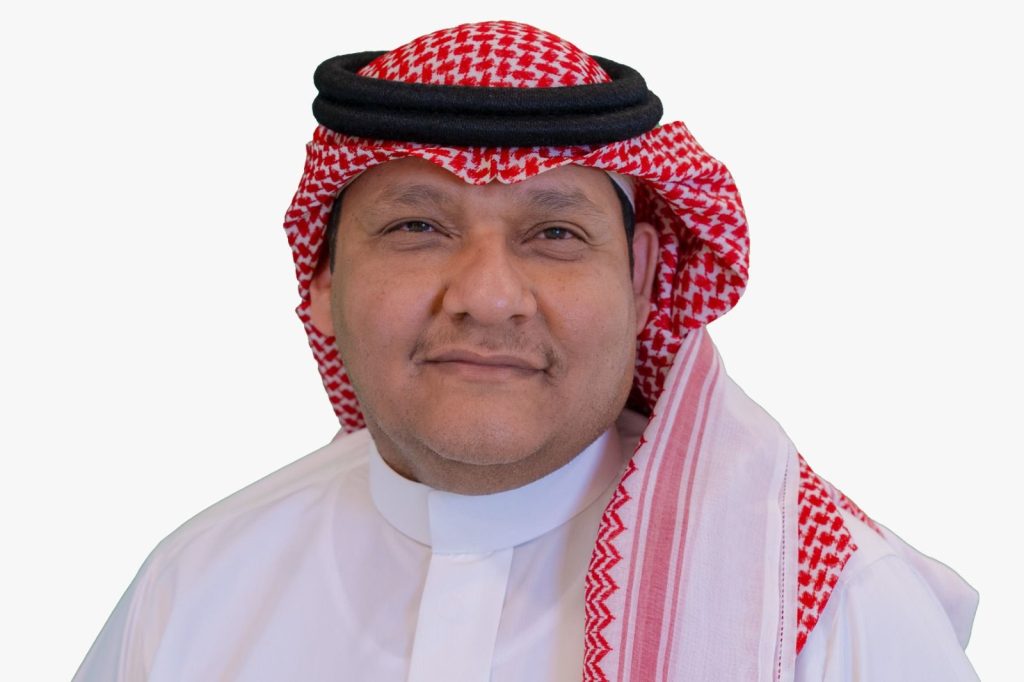
Dr. Khalid bin Saad Al-Habshan
Communal lands in the Kingdom of Saudi Arabia represent one of the most complex real estate issues, involving intersecting regulatory, economic, developmental, and legal dimensions. These lands, whose ownership is shared by more than one person without precise demarcation or approved boundaries, were previously accepted as a matter of fact based on custom or inheritance; however, in light of the economic and urban transformations the Kingdom is undergoing, they have become a real obstacle to investment, neighborhood development, and future urban planning. When joint ownership lacks precise definitions of shares and area, it gives rise to legal and administrative complications that hinder the registration and transfer of ownership—and may even prevent notarization itself—thereby keeping these lands outside the scope of actual development.
In recent years, the Kingdom has launched a number of regulatory reforms aimed at improving the real estate environment, increasing transparency, and enhancing market efficiency. The General Real Estate Authority has issued more than 20 new regulations, helped correct or update more than 350,000 real estate deeds, and improved the quality of data for 1.3 million maps as part of efforts to transition to a cadastre system. At the same time, the Ministry of Justice has worked through its digital platforms, such as «Ifrag” and «Tawthiq,” to facilitate property transfers, reduce paperwork, and enable stakeholders to register their properties electronically. The “Ihkam” platform was also launched to facilitate the regularization of land not supported by legal deeds; however, a significant proportion of the applications received concerned communal lands, which are difficult to document due to discrepancies in data or disputes among co-owners.
From an economic perspective, communal lands constitute a burden on the cycle of urban growth and investment, as developers cannot undertake construction or planning projects until communal ownership is dissolved and ownership is legally established. This land remains in a frozen state—it cannot be developed, invested in, or even sold—which limits the availability of residential land and widens the supply-demand gap in the market. According to the report “Saudi Arabia Real Estate Market – Growth, Trends, and Forecasts (2025–2033)” published by Markets & Markets, a global firm specializing in market research and analysis, the Kingdom’s real estate market was valued at approximately $72.11 billion in 2024, and is expected to reach $132.65 billion by 2033, at a compound annual growth rate of 7.0%, driven by Vision programs, major city projects, and rapid urbanization. These ambitious figures cannot be achieved unless jointly-owned lands are freed from their legal complexities and converted into independent units that can be traded and invested in.
The biggest challenge in this area is that many co-owners are unresponsive to attempts to dissolve co-ownership, whether due to a lack of legal knowledge, family disputes, or even a lack of personal motivation. Some of these lands may be divided among dozens of heirs or lack clear boundaries, which complicates the process of division and allocation. Therefore, there is a clear need for decisive legislative intervention that empowers government agencies to enforce compulsory partition whenever an agreement cannot be reached, and that incentivizes the termination of joint ownership through effective tax and legislative measures.
In an important regulatory step, an amendment to the vacant land fee system was issued in April 2025 to include vacant buildings and raise the fee rate to 10% of the land’s value annually, which increases pressure on owners of undeveloped land, including owners of jointly owned land, and pushes toward unlocking this land from stagnation and converting it into a productive asset.
Addressing the issue of communal land is a priority for improving quality of life and achieving balance in the housing market, as this issue extends beyond legal or real estate boundaries to become a national developmental necessity that contributes to achieving the goals of Saudi Vision 2030, supports the sustainability of smart cities, and enhances the efficient use of real estate resources. From this perspective, the next phase requires establishing a mandatory mechanism that stipulates the termination of co-ownership within specific timeframes, empowers government agencies to initiate administrative sorting, and links co-owned land data with real estate appraisal platforms, and applying graduated economic incentives and pressures to encourage partners toward fair and expedited disposition.
The Kingdom’s real estate transformation is not built solely on major projects and smart cities; rather, it begins with the land itself and the ability to transform idle land into added value. The issue of communal land now stands at a critical juncture, requiring bold governance and a shared vision for implementation among legislators, investors, and citizens, so that land can be transformed from a source of common conflict into a shared future.
Consultant in Corporate Governance and Real Estate Investment Regulation
@AlhabshanDr