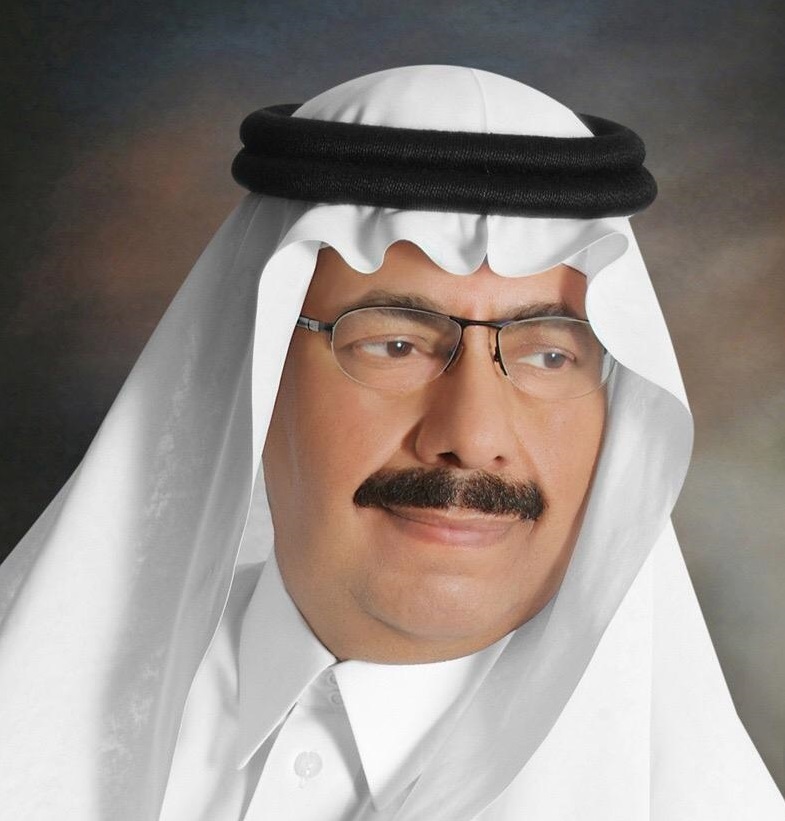

Amlak – London: During a special visit to the British capital, London, the «Amlak Real Estate» newspaper had the honor of welcoming His Excellency Counselor Muhammad Abdullah Al-Salamah, Chairman of the Board of Directors of Association for the Protection of Intellectual Property and one of the leading experts on intellectual property and media issues. It was an ideal opportunity for an in-depth discussion of many current challenges.
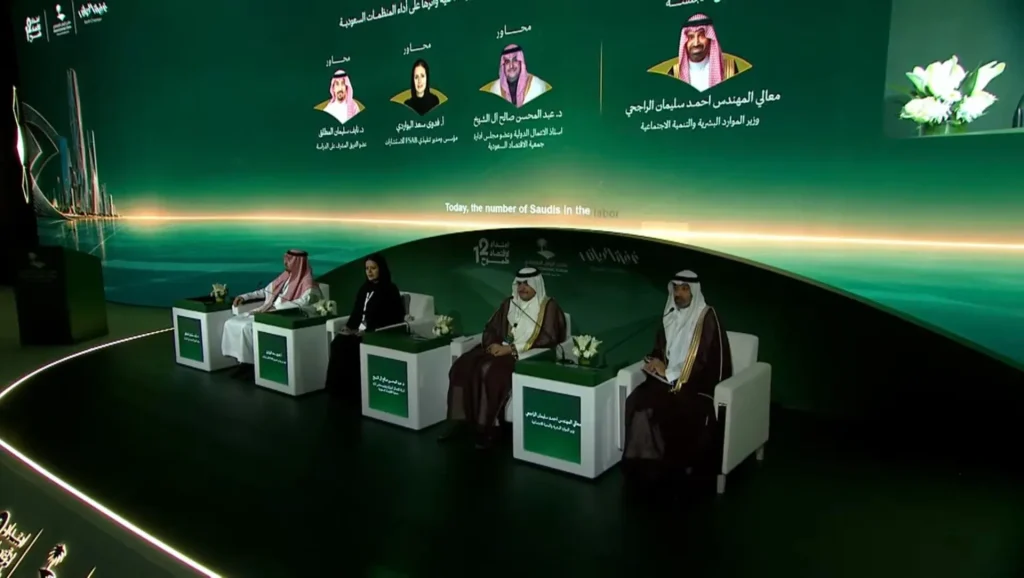
During the meeting, Counselor Mohammed Al-Salamah addressed various issues at the intersection of intellectual property, media, and technological developments, as well as their implications for the real estate sector. He also discussed his historic participation in the diplomatic conference for the «Design Law» in Riyadh.
How do you view the current state of the Saudi media in light of digital transformations and regulatory updates?
The Saudi media is undergoing a qualitative transformation, driven by technology and regulatory updates. Today, the media is no longer traditional; rather, it intersects with issues of law, intellectual property, and digital platforms. This requires media organizations to be more aware of the laws governing the use of content.
How is intellectual property linked to the future of media in the Kingdom?
Intellectual property is the cornerstone of protecting creative rights, whether visual or written, We live in an era of interdisciplinary convergence, and the media is no longer merely a conveyor of information but a producer of content that must be legally protected, especially with the rise in cases of rights infringement online.
How does intellectual property intersect with the real estate sector?
Intellectual property and real estate are very closely related; any architectural design, urban planning style, or even a real estate photograph can be classified as intellectual property. For example:
Architectural designs are protected by copyright or patents.
Advertising images are protected by copyright law.
A real estate company’s logo or trade name is protected as a trademark.
Everything creative in real estate deserves legal protection, which ensures fairness and encourages innovation.
How has the regulatory environment for intellectual property rights in the Kingdom evolved?
We started from a very basic foundation and lacked adequate legislation. But today, the Kingdom is making steady progress; the first officially licensed intellectual property association has been established, and we are working with international organizations such as WIPO. This gives us an international dimension and recognition of our commitment.
Tell us about the Riyadh Treaty «Design Law» and its importance for real estate?
The Riyadh Treaty, signed on February 22, 2024, is the result of more than 20 years of work. This treaty concerns the protection of «design law,» including aspects that directly relate to real estate, such as engineering and architectural designs, urban planning, and the tools and materials used in construction.
As an association, we participated in the conference as a member and discussed how regulations can protect innovation in real estate designs.
What are the most important types of intellectual property protection needed by the real estate sector?
- Patents: To protect construction techniques and modern materials.
- Copyright: To protect architectural designs, engineering plans, and images.
- Trademarks: To protect the names and logos of real estate companies.
This not only protects the creator but also safeguards investments and prevents legal disputes.
Can the property itself be the subjectof intellectual property protection?
Yes, for example: a beautiful photograph of a property taken by a photographer may only be used with the owner’s consent.
Likewise, any unique building design must be protected so it cannot be copied, and any digital platform for real estate design or marketing can be protected as a creative product.
How does intellectual property protection contribute to encouraging innovation in real estate?
Protection means peace of mind; when an architect, designer, or developer feels that their work is protected, they will be more creative. Today, we see architectural competitions and digital innovations making a difference in our architectural identity, and this is all thanks to systems that protect rights and encourage fair competition.
What is your final message to those involved in both real estate and the media?
My message is that intellectual property is no longer a legal luxury, but rather a necessity for development and investment. Everyone working in media, real estate, or design must be aware of their own rights and committed to respecting the rights of others, For in this way, we protect creativity and build a solid future.
======
Measures to Protect Intellectual Property in the Real Estate Sector
- Registering architectural and engineering designs to protect them from copying or imitation.
- Registering trademarks for real estate companies or real estate-related products.
- Protecting copyrights for advertising materials, designs, and documents related to real estate.
- Using licensing agreements to allow others to use intellectual property under specific terms.
- Implementing security measures to protect real estate-related information and documents from unauthorized access.
- Hiring an attorney specializing in intellectual property to protect rights and address any potential infringements.
= =
Real estate examples of intellectual property protection
- Registering a unique building design to protect it from copying or imitation.
- Protecting a real estate company’s trademark to prevent unauthorized use by other companies.
- Protecting the copyright of advertising materials to prevent copying or unauthorized use.
- Licensing the use of an architectural design to another company, while specifying terms of use and compensation.
- Protecting a patent for construction technology against copying or imitation.