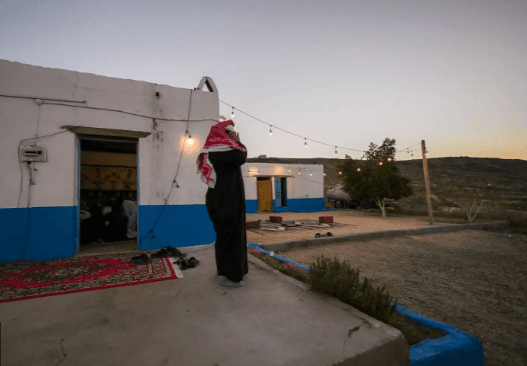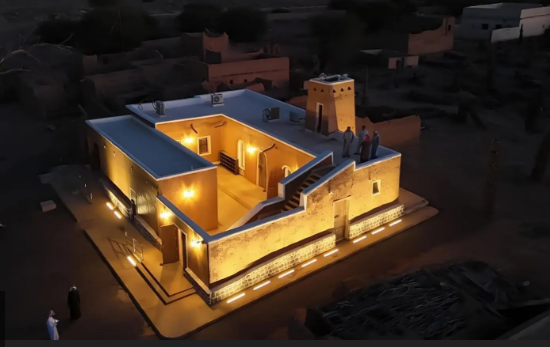

From the Sarawat Mountains in the Al-Baha region, the features of Saudi architecture are evident in a unique style that is in harmony with the mountainous nature, as the region abounds with an ancient architectural heritage that reflects the civilization of man and his connection to his environment, and its features are prominent in the villages spread across the region.
The ancient buildings of Al Baha are characterized by designs that take into account environmental conditions such as terrain and climate, as well as social factors represented in authentic Arab customs and traditions, which contributed to the formation of a special architectural style in the region, and modern architecture projects in Al Baha today continue to apply the principles of Saudi architecture to enhance urban identity and improve the quality of life, in line with the objectives of the Kingdom's Vision 2030.
Modern architecture projects in Al Baha today continue to apply the principles of Saudi architecture, to enhance urban identity and improve the quality of life, in line with the objectives of the Kingdom's Vision 2030.
Map of Saudi Architecture
Baha is part of the second phase of the Design Guidelines for Saudi Architecture, which was recently launched to include major government projects and commercial buildings, as part of the <a href="https://amlak.net.The Saudi Architecture Map, launched in March by His Royal Highness Prince Mohammed bin Salman bin Abdulaziz Al Saud, Crown Prince, Prime Minister and Chairman of the Supreme Committee for Saudi Architecture, includes 19 architectural styles inspired by the geographical and cultural characteristics of the Kingdom.
<a href="_COPY
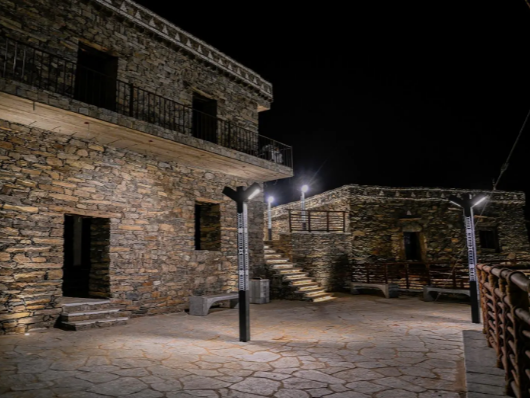
According to SPA.

Dr. Hossein emphasizes that the architecture of the Sarawat Mountains can be categorized into three main styles, namely: traditional, transitional and contemporary. Dr. Haridi emphasizes that relying on heritage architectural vocabulary contributes to improving energy efficiency and reducing energy consumption, in addition to supporting the local economy through the use of natural building materials available in the region.
Dr. Haridi emphasizes that relying on heritage architectural vocabulary contributes to improving energy efficiency and reducing energy consumption.
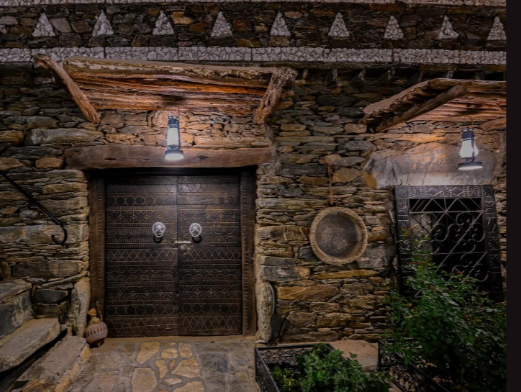
Building houses with stone
Muhammad bin Salem al-Ghamdi, 73, who has worked in the craft of building houses with stone for decades, says that the difference in climate and terrain between the region's Saraya and Tehama created a difference in building styles and construction materials, so each environment imposed its own character in design and materials used.Muhammad bin Salem al-Ghamdi, 73, who has worked in the craft of building houses with stone for decades. Al-Ghamdi points out that the ancient architecture in Al-Baha was characterized by its complete reliance on nature, as houses were built from local stones such as granite and basalt rocks decorated with marrow stones, and roofed with juniper woods covered with mud, in complete harmony with the surrounding environment.
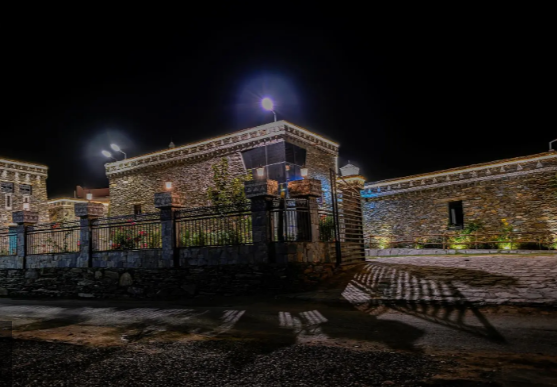
Ghamdi points out that ancient architecture in Al-Baha was characterized by its complete reliance on nature. In recent years, the ancient architecture in Al Baha has witnessed an increasing interest from locals, who have taken the initiative to restore and revive their heritage homes, and many of them have taken inspiration from the old style in building their modern homes and rest houses, using stones, carvings and decorations inspired by the identity and history of the place.
Many of them are inspired by the old style in building their modern homes and rest houses, using stones, carvings and decorations inspired by the identity and history of the place.