
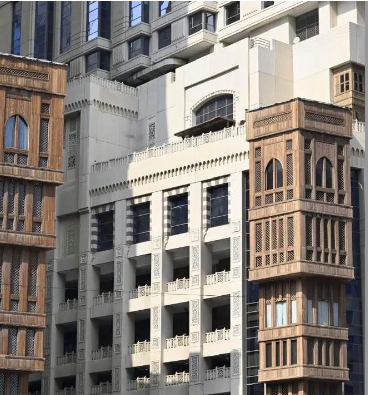
Despite the rapid urban transformations that Makkah has witnessed in recent decades, Islamic architecture still constitutes the spirit and meaning of the place, present in its details and sacred landmarks, even if its features have changed and overlapped with contemporary architecture, while modern projects tend towards modern designs, the competent authorities are keen to integrate Islamic elements in their details, in order to preserve the identity and sanctity of the place.
According to the Saudi Press Agency (SPA), the third Saudi expansion of the Grand Mosque is a clear example of this integration. According to the Saudi Press Agency (SPA), the third Saudi expansion of the Grand Mosque is a clear example of this integration, combining the aesthetics of Islamic architecture and modern construction techniques, through decorative arches, majestic domes and luxurious marble that reflects the spirit of the authentic Islamic style.
According to SPA, the third Saudi expansion of the Grand Mosque is a clear example of this integration.

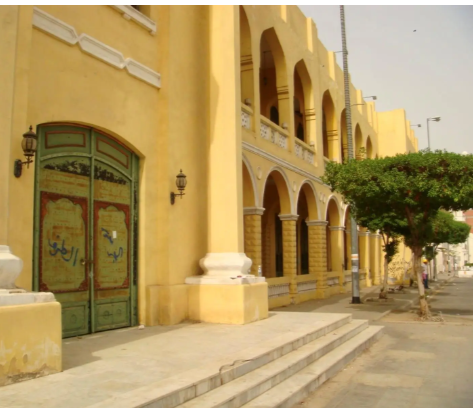
Throughout the ages, the portico has played a pivotal role in protecting worshippers from harsh weather factors such as the heat of the sun and rain, in addition to its contribution to organizing the movement of crowds inside the Holy Mosque, especially during the seasons of Hajj and Umrah.
The book points out the role of the arcades in the development of Islamic architecture in Makkah. The book refers to the role of arcades in achieving harmony between the internal and external spaces of the mosque, and in highlighting the Meccan urban identity based on combining simplicity and functionality on the one hand, and structural and decorative richness on the other, making them a living witness to an extended architectural history that reflects the sacredness of the place and its transformations through time.

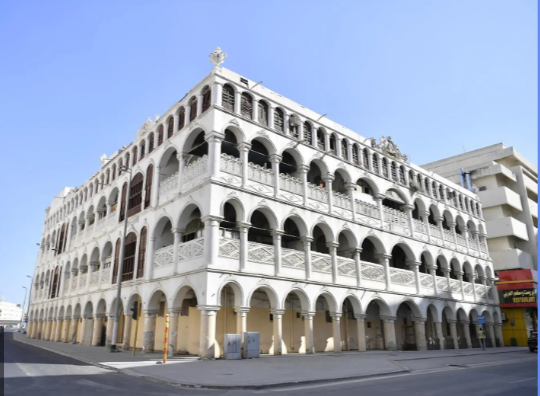
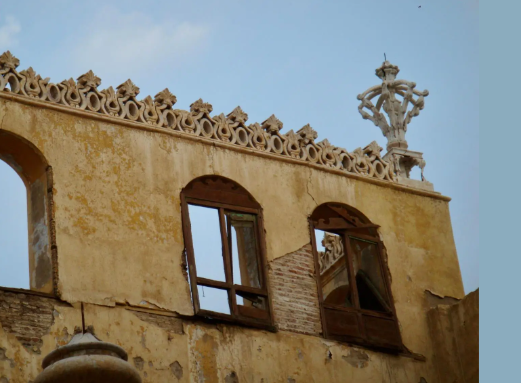
<Today, Makkah is witnessing an increasing interest in reviving heritage buildings with an Islamic character, such as Al-Saqqaf Palace, which is a model of traditional Meccan architecture, in addition to exhibitions that document the development of the architecture of the Two Holy Mosques, reflecting awareness of the importance of preserving the Islamic identity in the face of modern changes.
Specialists emphasize that the preservation of the Islamic style is not limited to decorations, but includes the general identity and spiritual atmosphere of the place, despite the challenges posed by urban pressure, crowds and continuous renewal.
According to the Royal Commission for Makkah and Holy Sites, the guidelines include practical and sustainable solutions that achieve integration between the aesthetic and functional aspects of the urban spaces and blocks, and enable the concerned authorities and engineering offices to develop the best technical practices. <The Authority explains that the design guidelines for the architecture of Makkah and the Sites are based on three architectural sources: The Second Saudi Expansion of the Grand Mosque, Traditional Architecture, and Landscape, distributed over specific spatial scales.
The Authority explains that the design guidelines for the architecture of Makkah and the Sites are based on three architectural sources.
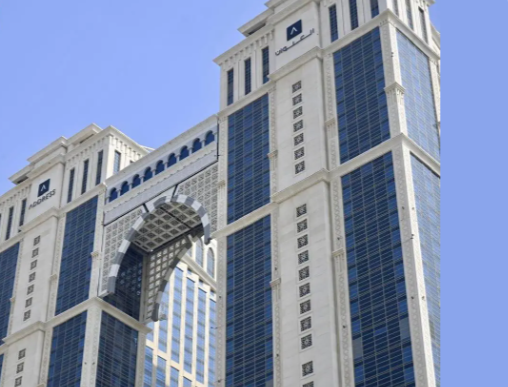
<Dr. Omar Adnan Asra, Head of the Department of Architecture at Umm Al-Qura University, stressed that Makkah is witnessing an urban transformation that reflects the Kingdom's orientation towards building modern cities that preserve its Islamic identity, in line with the objectives of Vision 2030, which focuses on highlighting the Islamic and historical depth in development projects, He believes that Makkah represents a unique model in this context due to its religious and spiritual specificity that requires a deep understanding of its symbolic and spatial dimensions. One of the most prominent examples of this approach is the King Salman Gate project, which draws inspiration from the vocabulary of Islamic architecture such as domes, arches and Meccan decorations and repurposes them in a modern architectural language based on contemporary technologies and concepts of sustainability.
Overall, it can be said that it is possible to say that Makkah's architecture is a global model. <In sum, it can be said that Islamic architecture in Makkah is still actively present, although it is no longer identical to the old traditional style, but today it is a renewed experience that combines Islamic heritage and modern architecture. The future architecture of Makkah is not just an urban expansion, but a civilizational project that combines originality and innovation, providing a model for a holy city that develops without losing its identity, and the presence of Islamic architecture, despite the expansion of modern urbanization, proves the efforts of the concerned authorities in integrating the Islamic style with contemporary architecture to preserve the religious and historical identity of the city.
Makkah remains an example of a city that is still actively present, even if it no longer matches the old traditional style. Makkah remains an example of a city that has embraced modern architecture without abandoning its roots, so that its Islamic architecture remains a witness to an extended history and a renewed identity.